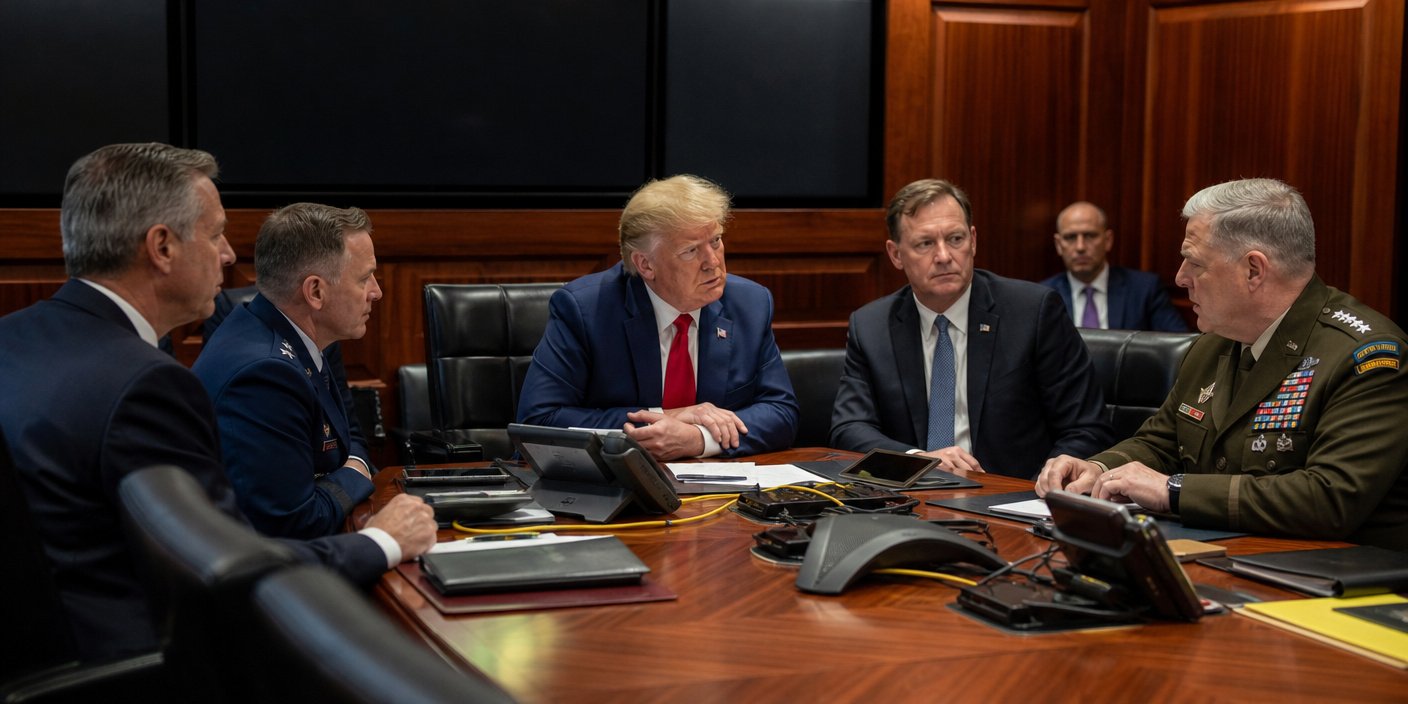
Reports indicate a potential breakthrough in diplomatic relations between Iran and the U.S., with both nations reportedly agreeing to extend a crucial ceasefire. However, the deal’s finalization is pending a critical approval from former President Donald Trump, introducing an element of uncertainty.
Key Highlights:
- A tentative agreement has been reached to extend an existing ceasefire between Iran and the U.S.
- The extension is contingent upon securing the approval of former President Donald Trump.
- This development signals a complex diplomatic maneuver involving past and present political figures.
- The specifics of the original ceasefire terms and the reasons for Trump’s involvement remain unclear.
Diplomatic Tightrope: The Iran-U.S. Ceasefire Quandary
The international community is closely monitoring delicate negotiations between Iran and the United States, which have reportedly culminated in an agreement to prolong a vital ceasefire. This potential de-escalation, aimed at reducing regional tensions, has been met with cautious optimism. However, the pact’s activation is intricately tied to the endorsement of former President Donald Trump, a figure whose foreign policy decisions significantly shaped U.S.-Iran relations during his tenure. The involvement of a former president in current diplomatic arrangements highlights the complex and often unpredictable nature of international statecraft, particularly concerning the volatile Middle East.
Historical Context and Precedents

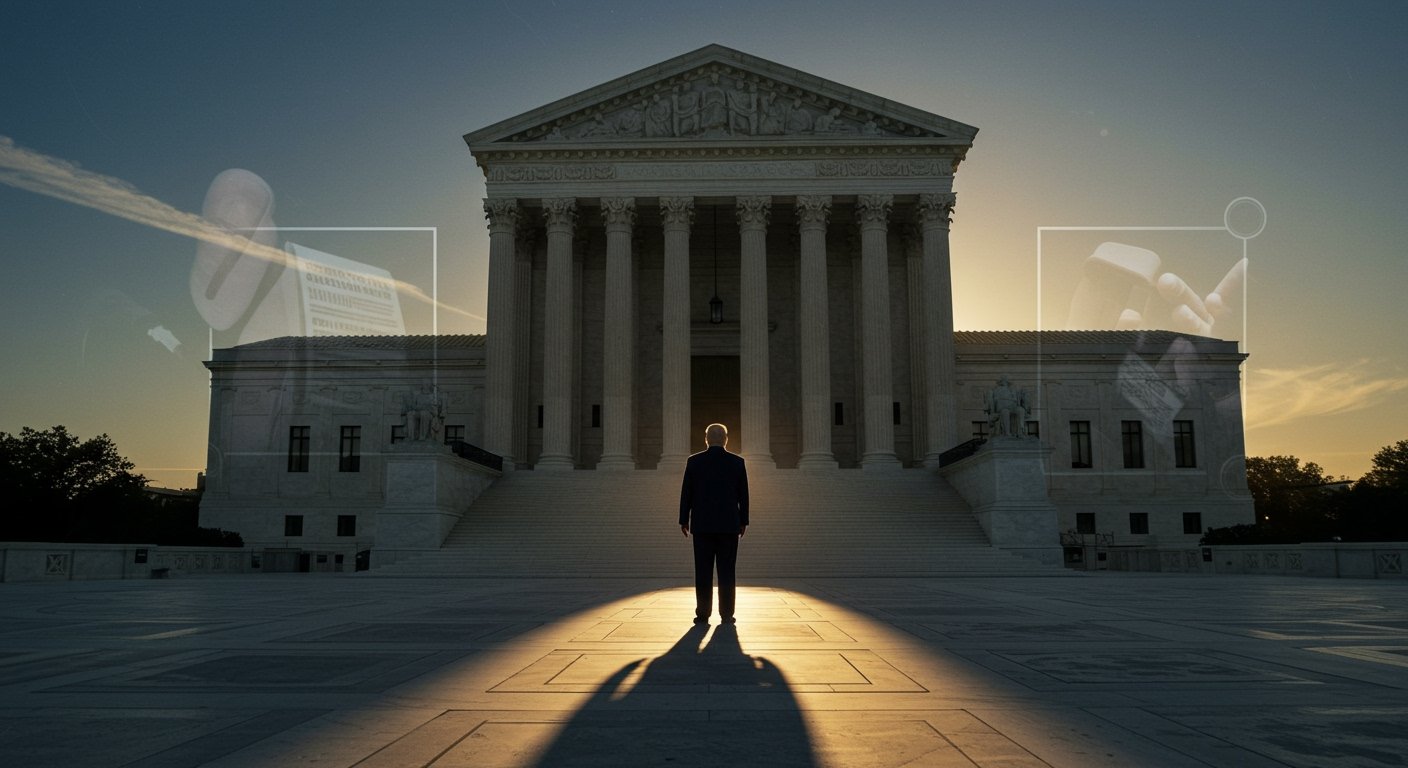

The current situation echoes past diplomatic efforts and confrontations between the two nations. The Trump administration, in particular, pursued a policy of ‘maximum pressure’ against Iran, withdrawing from the Joint Comprehensive Plan of Action (JCPOA) and imposing stringent sanctions. This stance led to a period of heightened tensions and several near-confrontational incidents. The reported agreement to extend a ceasefire, even with Trump’s conditional approval, suggests a potential shift or a strategic calculation by various parties involved. Understanding the history of U.S.-Iran relations, including the periods of détente and severe antagonism, is crucial to grasping the nuances of this developing story.
The Role of Donald Trump
Former President Trump’s influence on foreign policy, even after leaving office, is a significant factor. His previous administration’s approach to Iran was characterized by a strong emphasis on bilateral deals and a skepticism towards multilateral agreements. His approval, therefore, is not merely a procedural step but a substantive endorsement that could signal a broader alignment with or deviation from his past policies. Analysts are debating whether Trump’s potential approval signifies a willingness to engage in pragmatic diplomacy or a strategic move to assert influence on the current administration’s foreign policy agenda. The specifics of what Trump is being asked to approve, and what concessions or guarantees are involved, remain a subject of intense speculation.
Potential Implications and Future Outlook
If the ceasefire extension is finalized, the immediate impact could be a reduction in regional military posturing and a brief respite from escalating tensions. However, the long-term implications are less clear. The reliance on a former president’s approval introduces an unprecedented level of complexity and potential instability into the agreement. It raises questions about the durability and legitimacy of such a deal. Furthermore, the broader geopolitical landscape, including the roles of regional powers and international organizations, will continue to shape the trajectory of U.S.-Iran relations.
FAQ: People Also Ask
What is the current status of the U.S.-Iran ceasefire?
Reports suggest an agreement to extend the ceasefire is pending, but its finalization hinges on former President Donald Trump’s approval.
Why is Donald Trump’s approval needed for this deal?
The exact reasons for his required approval are not publicly detailed, but it likely relates to his past administration’s policies and potential influence on current diplomatic outcomes.
What were the key aspects of Trump’s Iran policy?
His administration pursued a ‘maximum pressure’ campaign, withdrew from the JCPOA, and imposed extensive sanctions on Iran.
What are the potential consequences if the ceasefire is not extended?
Failure to extend the ceasefire could lead to increased regional tensions, heightened military activities, and a potential escalation of hostilities.
Who are the key negotiators involved in this process?
While not explicitly stated in initial reports, negotiations would typically involve diplomatic channels from both the U.S. and Iran, with potential intermediaries.