Tensions escalate in the Middle East as Iran issues a stern warning to the United States against any actions targeting its oil tankers in the Persian Gulf. Concurrently, reports indicate that Israel has conducted strikes in Lebanon, resulting in the deaths of dozens, further heightening regional instability.
Key Highlights:
- Iran has explicitly cautioned the US against naval aggression towards its tankers.
- Israel’s military operations in Lebanon have reportedly caused significant casualties.
- The dual events signal a sharp increase in geopolitical friction in the region.
- International bodies are calling for de-escalation and restraint from all parties involved.
Escalating Tensions: Iran’s Naval Warning and Israeli Strikes
The geopolitical landscape in the Middle East is once again on a knife’s edge following a series of assertive actions and pronouncements. Iran has publicly declared that any attempt by the United States to interfere with or attack its oil tankers operating in the Persian Gulf would be met with a severe response. This warning, delivered through official channels, underscores the volatile maritime environment in a region crucial for global energy supplies. The statement from Tehran is widely interpreted as a red line, aimed at deterring any perceived US naval overreach or aggressive posturing in the strategically vital waterway.
Maritime Security and Regional Implications
Iran’s warning is not an isolated incident but rather a component of a broader strategic calculus in the face of ongoing international pressures. The Persian Gulf, and the Strait of Hormuz in particular, is a critical chokepoint for a significant portion of the world’s oil transit. Any disruption to tanker traffic here can have immediate and far-reaching consequences for global energy markets, potentially leading to price spikes and supply chain instability. The US Navy maintains a significant presence in the region, tasked with ensuring freedom of navigation and deterring hostile actions. This delicate balance of power means that any miscalculation or escalation could have severe repercussions, not only for the immediate parties involved but for the global economy.
Israeli Operations in Lebanon


In parallel to the escalating rhetoric concerning maritime traffic, the situation in the northern theater has also dramatically worsened. Reports have emerged detailing significant Israeli military strikes within Lebanese territory, which have allegedly resulted in the deaths of dozens of individuals. While specific details regarding the targets and the precise nature of the operations remain under investigation and are subject to conflicting accounts, the scale of the reported casualties suggests a substantial military engagement. These actions are taking place amidst an already heightened state of alert and tension along the Israel-Lebanon border, following a period of increased cross-border exchanges.
Humanitarian Concerns and International Response
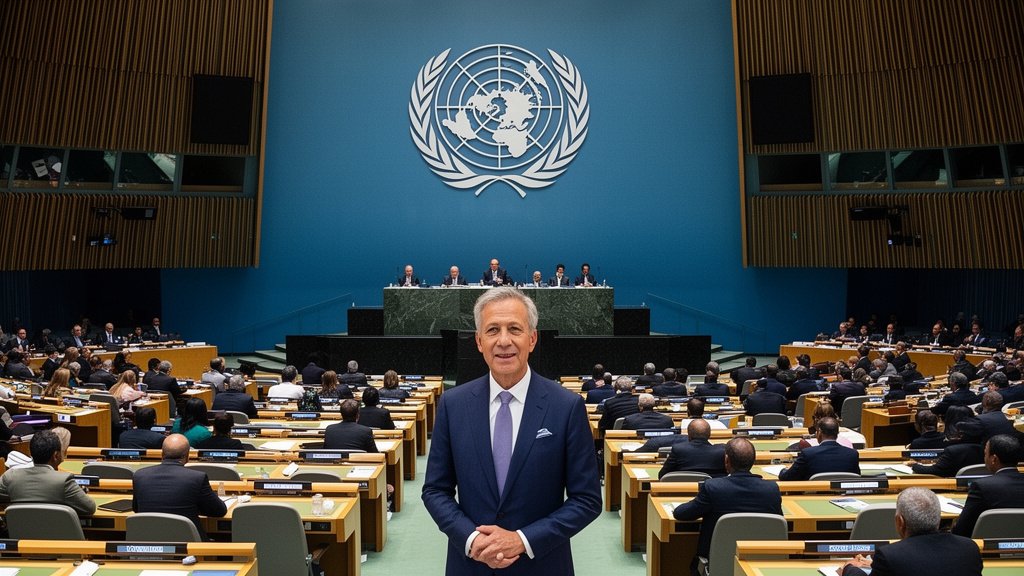
The reported civilian casualties in Lebanon have drawn immediate international concern, with various diplomatic channels actively seeking clarification and urging for restraint. Human rights organizations have expressed alarm over the potential for a wider humanitarian crisis if the conflict intensifies. The United Nations and other international bodies are reportedly monitoring the situation closely, with calls for de-escalation and adherence to international humanitarian law being paramount. The complexities of the conflict, involving multiple actors and long-standing regional rivalries, make finding a peaceful resolution a formidable challenge.
Broader Geopolitical Context and Expert Analysis
These twin developments—Iran’s naval warning and the Israeli strikes in Lebanon—must be viewed within the broader context of the ongoing geopolitical realignments and conflicts in the Middle East. Analysts suggest that Iran’s assertive stance on its tankers may be a strategic maneuver to bolster its regional influence and deflect attention from other internal or external pressures. Similarly, Israel’s operations in Lebanon are often framed as preemptive measures against perceived threats emanating from Hezbollah and other Iran-aligned groups operating from Lebanese soil. The interplay between these dynamics creates a highly combustible environment, where regional proxies and direct state actions can rapidly escalate.
Historical Precedents and Future Outlook
History is replete with examples of how tensions in the Persian Gulf and along the Israeli-Lebanese border can spiral into larger conflicts. The current events echo past incidents that have led to significant regional instability and international intervention. The potential for miscalculation remains exceedingly high, particularly given the sophisticated military capabilities of the involved state and non-state actors. The future outlook depends critically on the diplomatic responses of major global powers, the adherence to de-escalation protocols, and the willingness of regional adversaries to engage in dialogue rather than further confrontation. The coming days and weeks will be crucial in determining whether the current escalation can be contained or if it portends a wider conflagration.
FAQ: People Also Ask
What is Iran’s primary concern regarding US actions in the Persian Gulf?
Iran’s primary concern revolves around its sovereign rights to navigate freely and conduct its legitimate commercial activities, particularly the transport of oil via its tankers, without undue interference or aggression from the United States or its allies. They view any hostile action against their vessels as a direct challenge to their national interests and a threat to their economy.
What are the implications of Israeli strikes in Lebanon?
Israeli strikes in Lebanon have serious implications, including potential civilian casualties, humanitarian crises, and the risk of triggering a wider conflict with Lebanese militant groups like Hezbollah, which could draw in regional and international actors. These actions often heighten regional instability and strain diplomatic relations.
How might these events impact global oil prices?
Any perceived threat to the stability of oil tanker traffic in the Persian Gulf or significant geopolitical escalations in the Middle East can directly impact global oil prices. Increased geopolitical risk often leads to speculative buying and a rise in crude oil prices due to fears of supply disruptions.
What is the role of international bodies like the UN in this situation?
International bodies like the United Nations play a crucial role in monitoring the situation, calling for de-escalation and adherence to international law, providing humanitarian aid, and facilitating diplomatic channels for conflict resolution. They act as a mediator and a forum for international consensus on maintaining peace and security.
What is the historical context of tensions between Iran and the US in the Persian Gulf?
Tensions between Iran and the US in the Persian Gulf have a long history, dating back to the Iranian Revolution of 1979. They often manifest as disputes over maritime security, naval presence, freedom of navigation, and the broader strategic competition for influence in the region, occasionally involving direct confrontations or near-confrontations.