Washington D.C. – President Donald Trump announced Friday that a planned second wave of U.S. attacks on Venezuela has been canceled, a significant development in the Trump Venezuela Policy. This decision follows what Trump described as significant cooperation from the South American nation. The announcement came via his Truth Social platform on January 9, 2026. It marks a sharp turn in escalating U.S. actions. A major U.S. military operation had captured Venezuelan President Nicolás Maduro just days earlier. That operation occurred on January 3, 2026. The shift in the Trump Venezuela Policy signals a new phase in U.S. foreign policy concerning the region.
Venezuela’s Gesture of Peace Under the Trump Venezuela Policy

The primary reason cited for halting further military action is Venezuela’s release of political prisoners. Trump called this a “very important and smart gesture.” He stated it was a sign of the nation “seeking peace.” Venezuela’s interim government confirmed a “large number” of prisoners would be freed. This release was partly at the United States’ request, a move consistent with aspects of the Trump Venezuela Policy aimed at humanitarian improvements. Opposition figures and activists were among those freed. Some were foreign nationals. The government framed the releases as a unilateral gesture. This action aims to consolidate peace. It follows the capture and transfer of President Maduro to the U.S. He faces charges in New York. The releases began just five days after Maduro’s capture, a direct result of the pressure exerted under the revised Trump Venezuela Policy.
U.S. Assumes Control of Venezuelan Oil
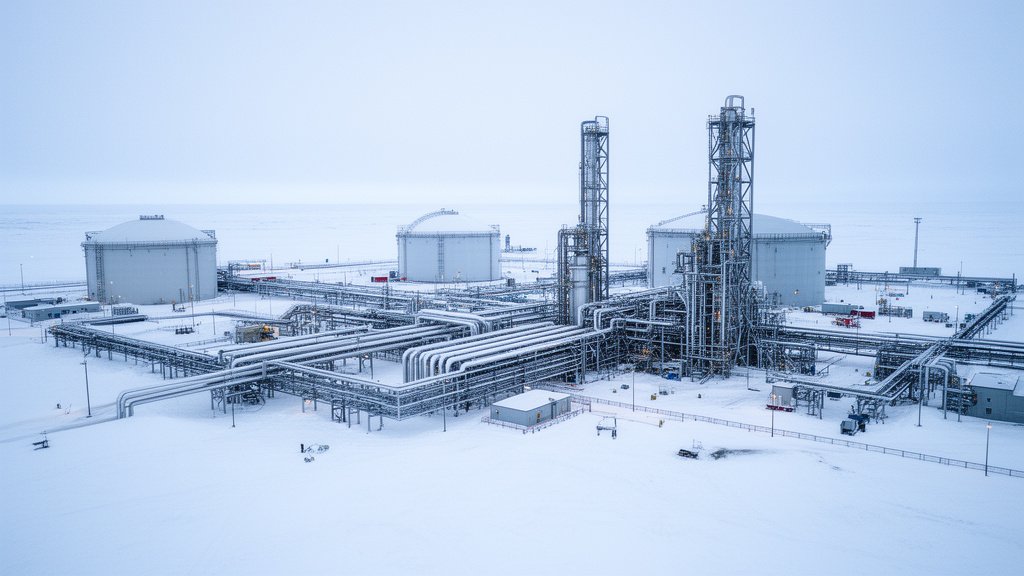
In parallel, the U.S. government is asserting extensive control over Venezuela’s oil sector. Energy Secretary Chris Wright announced the U.S. will manage Venezuelan oil sales. This management will continue indefinitely. Sales will begin with 30 to 50 million barrels of crude oil, impacting Venezuela oil sales significantly. This oil comes from Venezuela’s storage facilities. The U.S. seized two sanctioned oil tankers. These seizures occurred in the North Atlantic and Caribbean. They are linked to Venezuela. The U.S. intends to market this crude globally. Proceeds will be deposited into U.S.-controlled bank accounts. These funds will ultimately benefit both the American and Venezuelan people. This distribution is at the U.S. government’s discretion. The Energy Department published a fact sheet. It detailed this plan for managing oil sales, a critical component of the ongoing Trump Venezuela Policy.
Major Oil Investment Expected Under New Policy
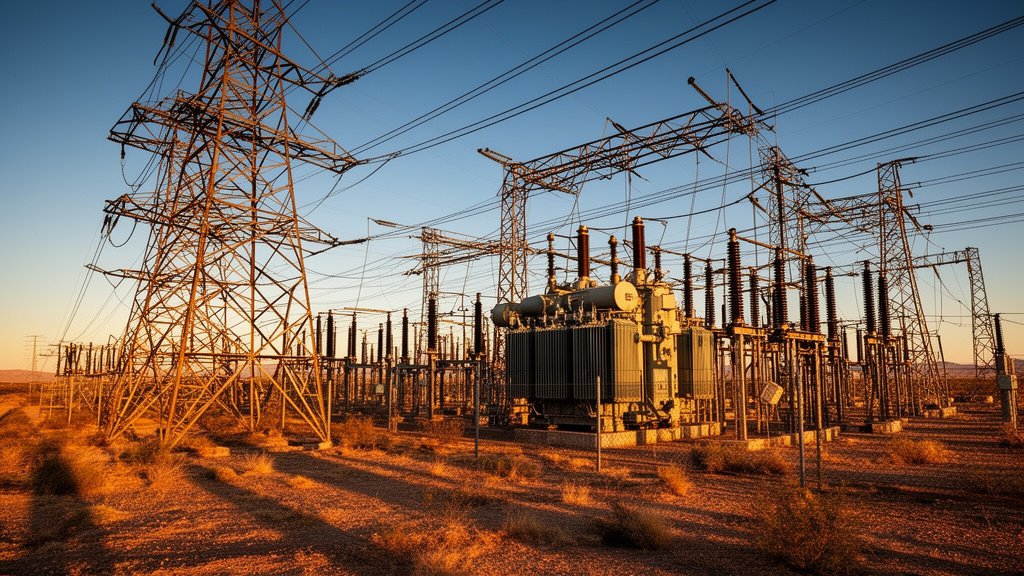
President Trump also highlighted potential economic engagement. He claimed major American oil companies are preparing to invest. The commitment is at least $100 billion. This investment targets Venezuela’s oil and gas infrastructure. Trump plans to meet with top oil executives. This meeting is scheduled for January 9, 2026, at the White House. The goal is to discuss rebuilding Venezuela’s energy sector. Experts estimate restoring Venezuela’s oil infrastructure could take years and vast capital. Trump previously stated that U.S. companies would “spend billions” to fix its “badly broken” oil infrastructure. This focus on rebuilding aligns with the economic objectives of the Trump Venezuela Policy.
Background: Maduro’s Capture and Charges
The situation rapidly escalated earlier in January. On January 3, 2026, U.S. forces conducted a military operation. It targeted Caracas, Venezuela’s capital. The operation captured Venezuelan President Nicolás Maduro. The maduro capture was a pivotal moment. Maduro and his wife were transported to New York. Maduro faces federal charges. These include narco-terrorism, cocaine importation conspiracy, and weapons charges. The indictment stems from a 2020 case. It accuses Maduro and associates of directing state resources to protect drug shipments. Maduro and his wife have pleaded not guilty. The U.S. government asserts its actions are key to national security. It also aims to limit foreign adversaries’ influence in the region. This assertive stance is characteristic of the Trump Venezuela Policy.
Shifting Dynamics and Future Uncertainty in U.S. Venezuela Relations
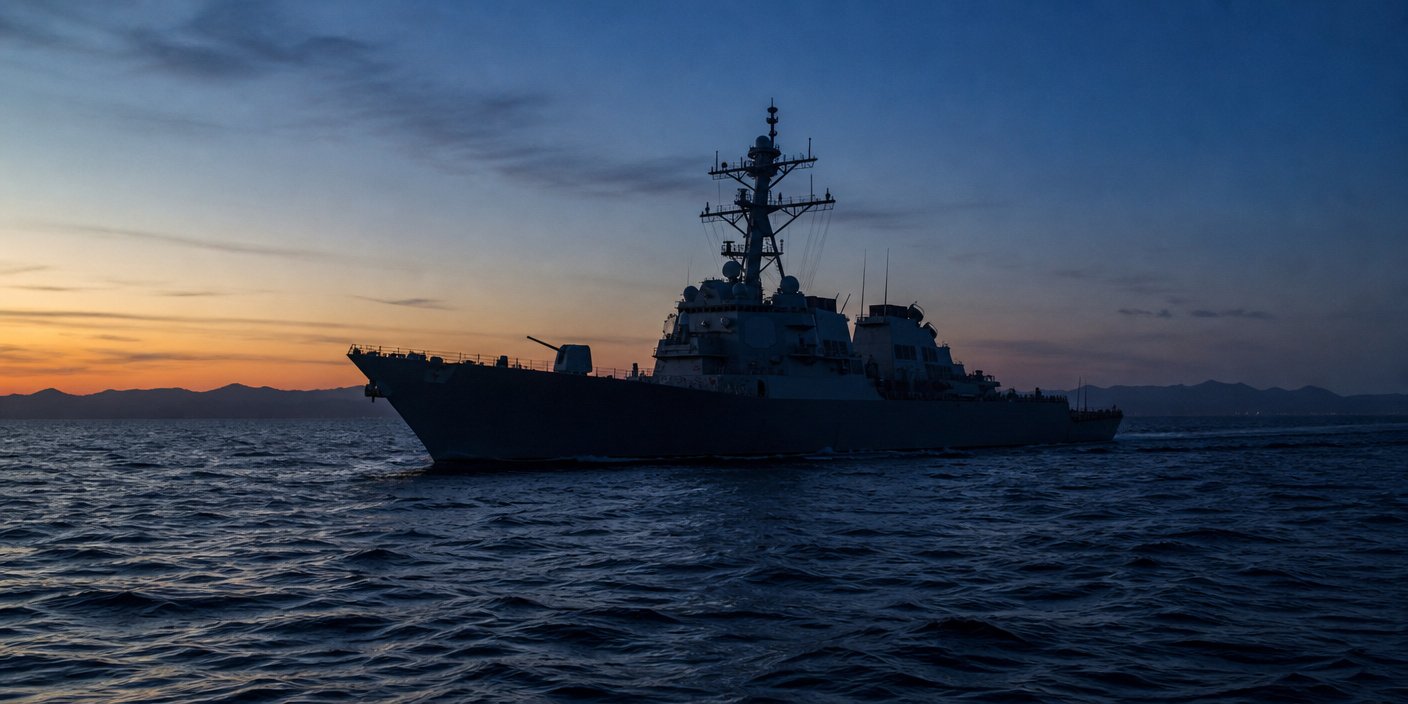
The U.S. has previously imposed sanctions on Venezuela. These targeted individuals and entities in the oil sector. Recent actions involved seizing oil tankers involved in sanctions evasion, affecting Venezuela oil sales. Trump’s administration views its role as essential for stability. Secretary of State Marco Rubio stated the U.S. has “tremendous leverage” over Venezuela. He affirmed control over oil sale proceeds. The U.S. aims to stabilize the country. It also seeks to benefit American interests. The long-term implications for Venezuela’s governance remain unclear. However, the immediate focus is on managing its oil resources and controlling the energy sector control. The U.S. Navy will maintain a presence. Ships will remain deployed for “safety and security purposes.” This story reflects a top American foreign policy focus. The unfolding narrative continues to develop, showcasing the dynamic nature of U.S. Venezuela relations under this administration’s directive.