In a stunning legal development, the U.S. Department of Justice has indicted the Southern Poverty Law Center (SPLC) on 11 counts of federal fraud, accusing the prominent civil rights organization of orchestrating a complex scheme to misappropriate donor funds. Acting Attorney General Todd Blanche announced the indictment, which alleges that the SPLC funneled over $3 million in donor contributions to informants within extremist organizations, including the Ku Klux Klan and the National Socialist Movement, between 2014 and 2023. The charges, which include wire fraud, bank fraud, and conspiracy to commit money laundering, suggest a systemic effort to disguise the flow of these funds through the use of shell companies, such as “Fox Photography” and “Tech Writers Group,” to deceive both financial institutions and the organization’s donor base.
Key Highlights
- Federal Indictment: The Southern Poverty Law Center (SPLC) faces 11 federal counts of wire fraud, bank fraud, and money laundering.
- The Allegation: Prosecutors claim the SPLC lied to donors by funneling over $3 million to informants in hate groups instead of using the money to dismantle them.
- Criminal Scheme: The DOJ alleges the organization established shell companies to hide payments to individuals affiliated with groups like the Ku Klux Klan.
- SPLC Response: Interim CEO Bryan Fair has categorically denied the allegations, framing the prosecution as a politically motivated attack and asserting the informant program was essential for safety.
- Widespread Implications: The case challenges the transparency standards of non-profit advocacy groups and has sparked a heated debate regarding government oversight of activist organizations.
The Anatomy of the Federal Case Against the SPLC
The indictment of the Southern Poverty Law Center represents a watershed moment in the intersection of civil rights advocacy and federal financial regulation. Prosecutors, led by the U.S. Attorney for the Middle District of Alabama, assert that the SPLC operated a covert informant program that spanned several decades, dating back to the 1980s. However, the current focus is on the decade between 2014 and 2023, during which investigators claim the organization significantly altered the nature of this work.
The “Manufacturing Extremism” Accusation
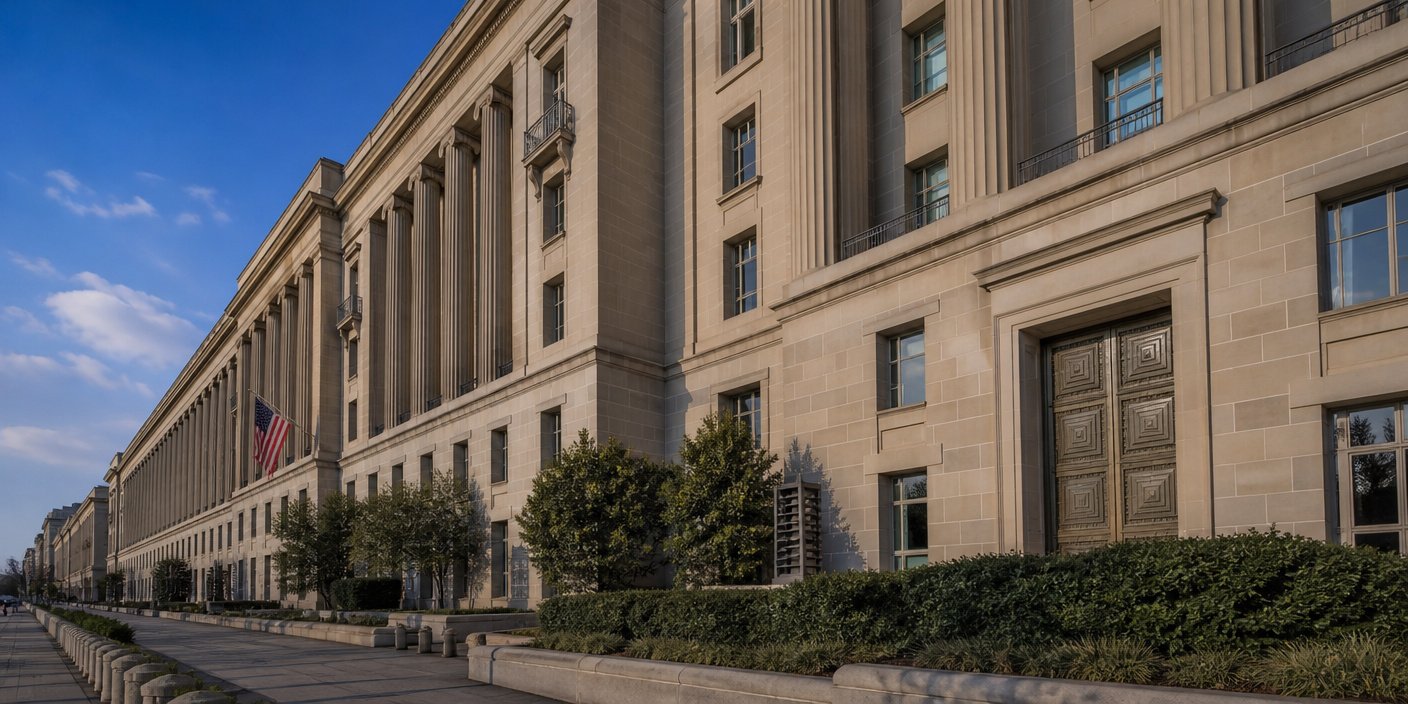
During a press conference at the Justice Department, Acting Attorney General Todd Blanche and FBI Director Kash Patel laid out a narrative that directly contradicts the SPLC’s public-facing mission. According to the DOJ, the organization’s donor network was led to believe their contributions were financing the dismantling of white supremacist groups. Instead, prosecutors argue, the SPLC was “manufacturing the extremism it purports to oppose” by providing financial lifelines to high-ranking members of these organizations. The DOJ alleges that some of these funds were utilized by the recipients to facilitate further state and federal criminal activities, turning the SPLC’s alleged anti-extremism efforts into a source of capital for the very groups they claimed to monitor.
Financial Deception and Shell Companies
Central to the wire and bank fraud charges is the complex logistical operation the SPLC allegedly employed to maintain anonymity. The indictment highlights the use of fictitious entities with names such as “Center Investigative Agency” and “Tech Writers Group.” These entities were not conducting photography or tech writing; rather, they were vehicles for funneling money from donor-backed accounts to confidential informants. Prosecutors allege that these shell companies were established specifically to mislead banks, allowing the SPLC to bypass standard financial scrutiny that would have flagged large, unexplained transfers to individuals with known extremist affiliations.
The Political and Legal Firewall: SPLC’s Defense Strategy




The SPLC’s reaction to the indictment was swift and resolute. Interim CEO Bryan Fair issued a statement decrying the prosecution as an attempt to weaponize the Department of Justice against ideological adversaries. The organization maintains that its informant program was never intended to fund extremism but rather to gather critical intelligence on threats of violence—intelligence that was regularly shared with federal and local law enforcement.
A History of Intelligence Gathering
From the SPLC’s perspective, the “Klanwatch” program—later rebranded as the Intelligence Project—was a vital security asset. They argue that the safety of informants in extremist environments necessitated discretion. By keeping these relationships quiet, the organization believes it was successfully monitoring imminent threats to public safety. The SPLC’s defense centers on the premise that the DOJ is mischaracterizing standard intelligence-gathering practices as criminal fraud. They point to past successes in disrupting extremist plots, arguing that the government is choosing to ignore the utility of this information in favor of pursuing a partisan vendetta.
The “Weaponization” Narrative
In the broader cultural conversation, this case is being framed as an extension of the ongoing friction between the current administration and progressive civil rights groups. The American Civil Liberties Union (ACLU) has already voiced its solidarity with the SPLC, characterizing the indictment as an attempt to silence critics of the administration. This argument posits that the DOJ is using its prosecutorial power to dismantle a powerful institution that has spent decades cataloging right-wing extremism, thereby removing a significant roadblock to the administration’s policy agenda. The SPLC’s legal team is expected to lean heavily into this narrative, seeking to expose the motives behind the investigation during the discovery phase of the trial.
Implications for the Non-Profit Sector
Beyond the specific fate of the SPLC, this case sets a profound precedent for non-profit governance. Many legal scholars note that this is an unusual application of fraud statutes against a charitable organization. Historically, fraud cases against non-profits usually involve the embezzlement of funds for personal gain. Applying these statutes to the strategic expenditure of funds for operational purposes, even if those operations are controversial, represents a shift in how federal regulators may approach the oversight of large, well-funded advocacy groups.
Transparency and Donor Trust
For the philanthropic sector, the lesson is clear: transparency regarding operational methodology is paramount. If the SPLC is found guilty, it could trigger a wave of lawsuits from donors who feel they were misled. If they are acquitted, it may embolden other advocacy groups to utilize more aggressive, covert tactics, knowing they have a robust legal defense against claims of fraud. Regardless of the verdict, the case will force a re-evaluation of how non-profits account for the movement of funds when those funds are used for “sensitive” or “covert” activities.
FAQ: People Also Ask
Q: What exactly is the Southern Poverty Law Center?
A: Founded in 1971, the SPLC is a non-profit civil rights organization based in Montgomery, Alabama. It is widely known for monitoring white supremacist and extremist groups in the United States and engaging in litigation to combat systemic racism and inequality.
Q: What are the main charges against the SPLC?
A: The 11-count indictment includes charges of wire fraud, bank fraud, and conspiracy to commit money laundering. Prosecutors allege the group hid payments to extremist informants by funneling donor money through shell companies.
Q: How has the SPLC responded to the charges?
A: The SPLC has denied the allegations, calling them a politically motivated attack. Interim CEO Bryan Fair stated the organization will fight the charges and that its informant program was necessary to monitor violent extremist groups and save lives.
Q: Could this lead to the SPLC being shut down?
A: While legal challenges of this magnitude carry significant risks, including massive fines and the potential loss of tax-exempt status, the organization is currently operating and has pledged to continue its work while defending itself in court.