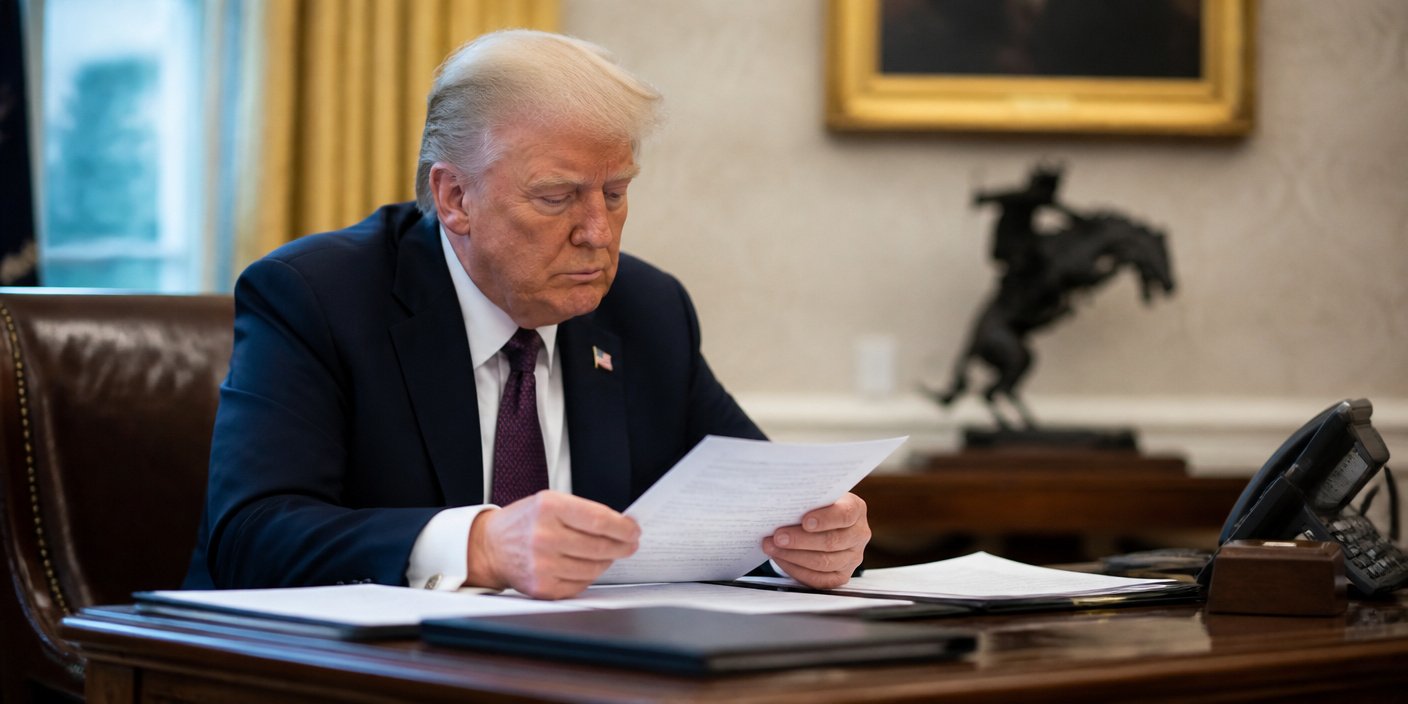
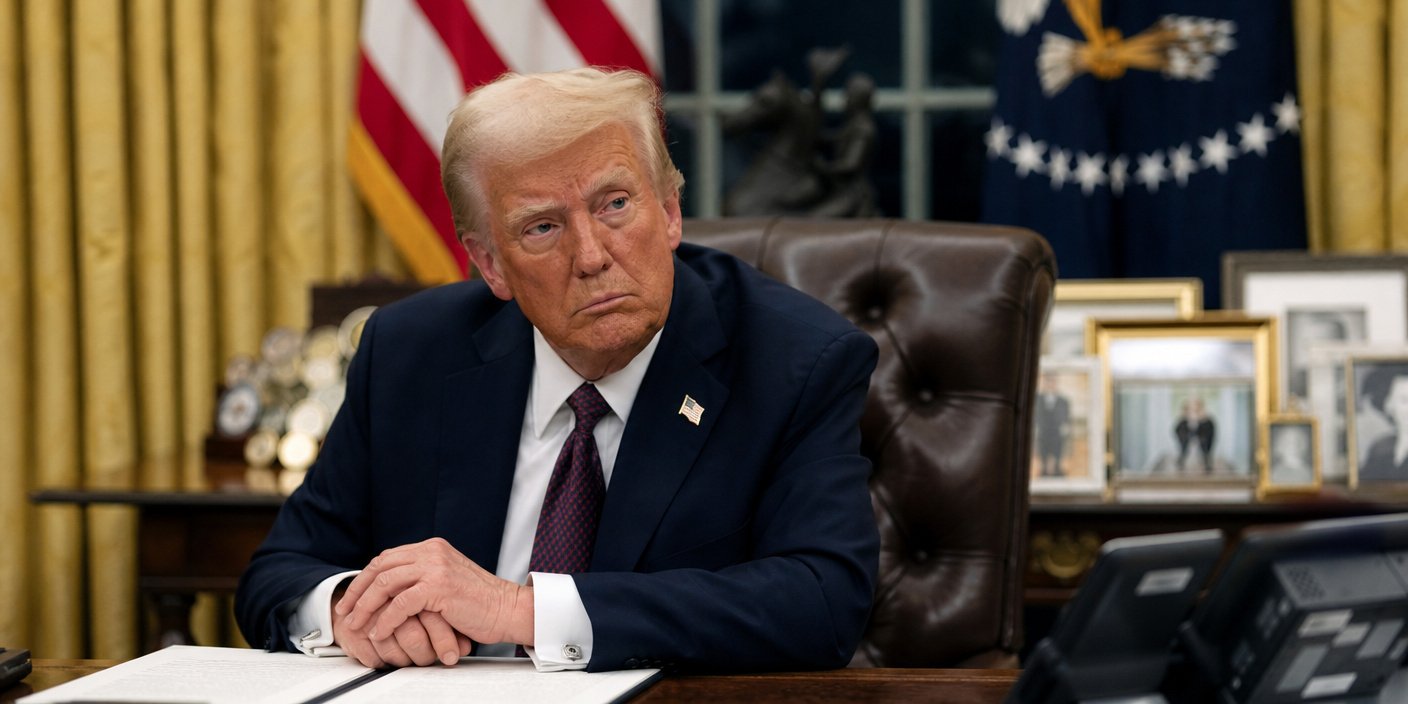
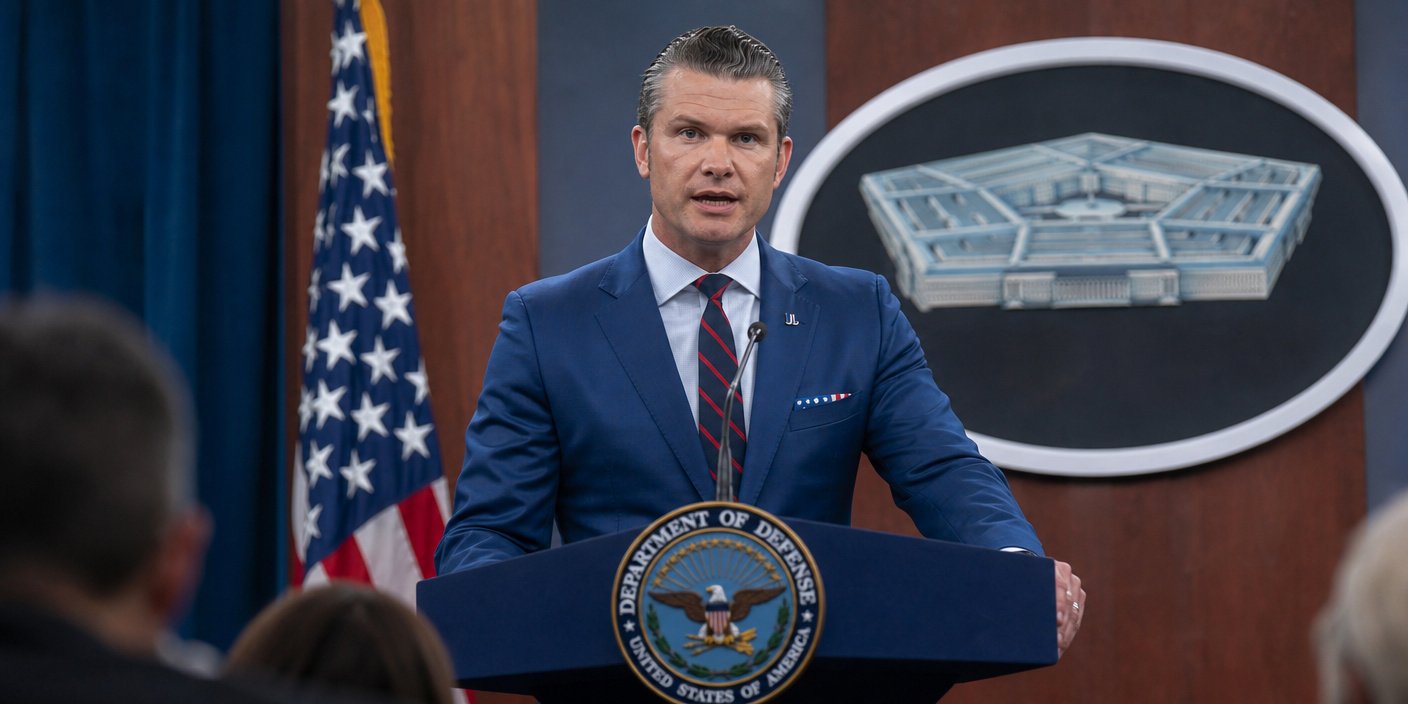
A wave of profound budget reductions under the Trump administration has severely weakened the United States’ public health infrastructure, according to an Associated Press report. Experts warn these significant cuts are diminishing the system’s capacity, potentially leaving the nation vulnerable to future health emergencies and the resurgence of preventable diseases.
Federal support for public health initiatives has reportedly been slashed by $11 billion, resulting in the elimination of 20,000 jobs at national health agencies that play a crucial role in bolstering local public health efforts across the country. These reductions are directly impacting the ability of state and local health departments to perform vital functions essential for community well-being and safety.
Erosion of Core Services
The effects of this decreased funding are palpable at the local level, hindering departments from carrying out critical tasks ranging from routine inspections to emergency response. Essential activities such as inspecting restaurants to ensure food safety, monitoring wastewater for the presence of pathogens, and mounting rapid responses to disease outbreaks are becoming increasingly difficult.
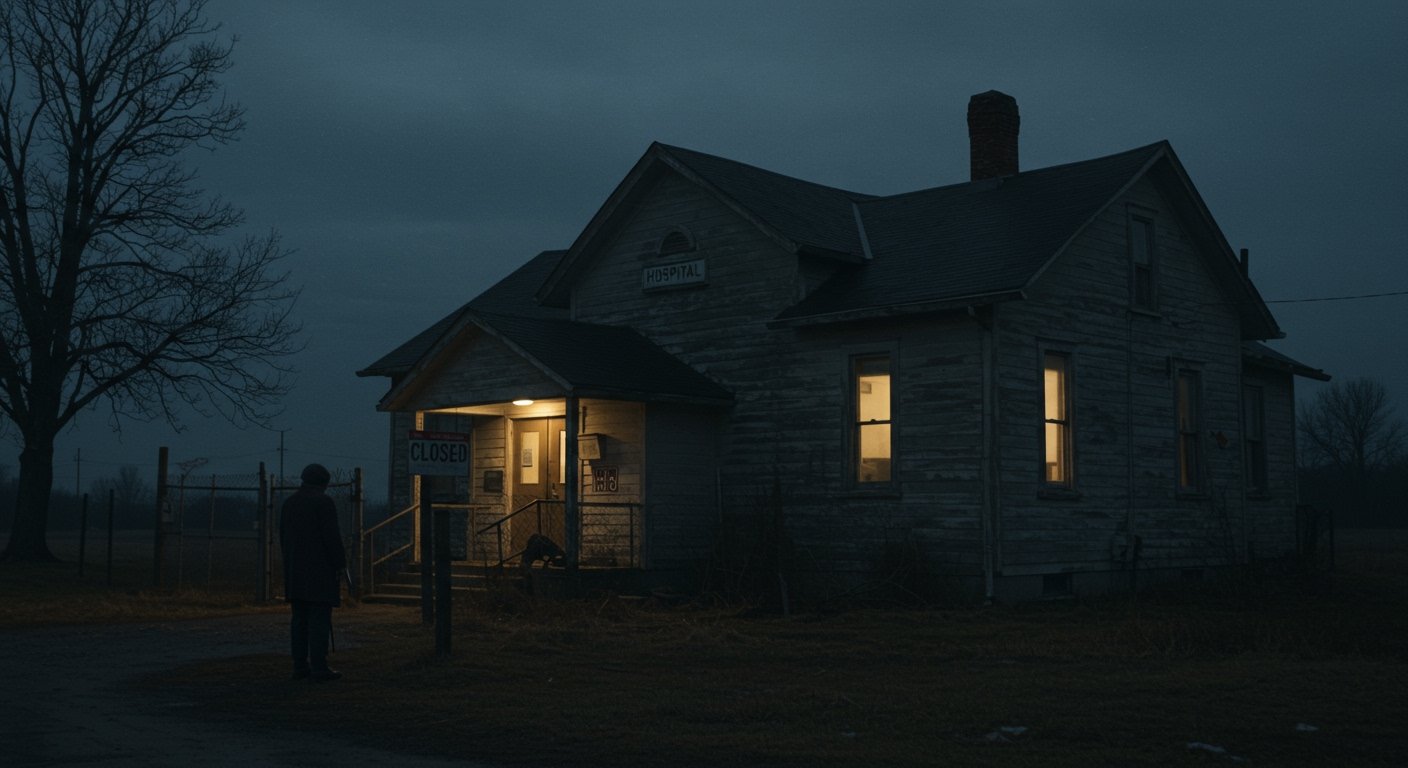



The Associated Press investigation highlights stark examples of the immediate human and operational costs. In Mecklenburg, North Carolina, all eight employees dedicated to the county’s essential mobile vaccine program were laid off. Similarly, in Columbus, Ohio, nine disease intervention specialists, crucial for tracking and containing infectious diseases, were cut. Nashville, Tennessee, saw the termination of a program that offered free flu and COVID tests, a critical service for vulnerable populations and outbreak monitoring.
Beyond infectious disease control, the cuts are also harming preventive and early intervention programs. Initiatives affected include vital tobacco hotlines aimed at helping people quit smoking, early intervention programs for children who are deaf or hard of hearing which are critical for child development, and essential drowning prevention programs designed to save lives.
Warnings of Future Crises
Public health leaders are sounding alarms, cautioning that the weakened state of departments leaves them ill-equipped to handle new pandemics or cope with the return of diseases once thought largely controlled in the U.S. They specifically point to the current measles resurgence, describing it as the deadliest outbreak since at least the 1990s, alongside increases in whooping cough and the potential threat posed by bird flu.
The concern is that without adequate staffing, laboratory capacity, and robust surveillance systems—all areas impacted by funding cuts—detection and containment of outbreaks will be slower and less effective, potentially leading to wider spread and more severe consequences for the population.
Administration’s Defense and Expert Counterpoint
A spokesman for the U.S. Department of Health and Human Services (HHS) offered a defense of the administration’s actions, stating that HHS was undertaking a necessary reorganization of what they described as “broken systems.” The spokesman also contended that many of the grant cancellations cited were related to COVID funding, arguing that such funding was no longer necessary as the pandemic is over.
However, public health experts push back strongly against this narrative. They emphasize that the cuts extend far beyond COVID-specific initiatives, impacting fundamental capabilities in epidemiology (the study and control of diseases), laboratory capacity (essential for testing and identification of pathogens), and immunizations (vaccination programs). These core areas form the bedrock of public health defense against a wide range of threats, not just COVID-19.
The stark reality of the situation was underscored by Connecticut’s state health commissioner, who reportedly stated that the current climate of uncertainty and reduced capacity “puts lives at risk.”
Conclusion
The significant and widespread cuts to the U.S. public health system detailed in the Associated Press report paint a concerning picture of a nation potentially dismantling its primary defense against health threats. As experienced professionals are laid off and essential programs are shuttered, the capacity to monitor, prevent, and respond to both emerging infectious diseases and long-standing public health challenges is being critically eroded. Experts warn that without a reversal of these trends, the U.S. faces the prospect of escalating health crises and a diminished ability to protect its population.