Skip to content
Trending
January 12, 2026USA Weighs ‘Very Strong Options’ for Iran; Fed Chair Powell Faces Criminal Probe Amid Independence Concerns June 20, 2025Global Markets Under Pressure: S&P 500 Posts Second Weekly Loss as Geopolitical Tensions Simmer and Oil Prices Retreat June 2, 2025India Faces Critical AI Skills Gap: Report Forecasts Need for 1 Million Professionals by 2026 May 2, 2025Robotaxis Roll Out, AI Expands, and Cybersecurity Threats Loom: Tech News Digest, May 2, 2025 November 19, 2025Congress Mandates Epstein Files Release, Sending Landmark Transparency Act to President Trump’s Desk April 24, 2025Streaming Week of April 25, 2025: “You” Final Season Arrives, New Thrillers and Comedy Horror Debut March 14, 2025Wall Street Records Strongest Day of 2025 as Tech Rally Soars, Yet Major Indexes Brace for Fourth Straight Weekly Loss June 12, 2025Tropical Cyclone Prompts Class Suspension for Primary, Infant, Special Education on June 12, 2025 – DSEDJ Announcement June 16, 2026G7 Summit Kicks Off Amid Global Turmoil February 4, 2025Black Physicians Raise Alarm Over Policy Shifts Impacting Public Health, Healthcare Equity
  • Home
  • Top Stories
  • National News
  • Health
  • Business
  • Tech & Innovation
  • Entertainment
  • Politics
  • Culture & Society
  • Crime & Justice
  • Editorial
  • Home
  • Top Stories
  • National News
  • Health
  • Business
  • Tech & Innovation
  • Entertainment
  • Politics
  • Culture & Society
  • Crime & Justice
  • Editorial
  • Blog
  • Forums
  • Shop
  • Contact
  Health  Healthcare Experts Warn Proposed Medicaid Cuts Could Cripple US Health System, Threaten Rural Hospitals
Health

Healthcare Experts Warn Proposed Medicaid Cuts Could Cripple US Health System, Threaten Rural Hospitals

ingrid Mulleringrid Muller—February 20, 20250
FacebookX TwitterPinterestLinkedInTumblrRedditVKWhatsAppEmail

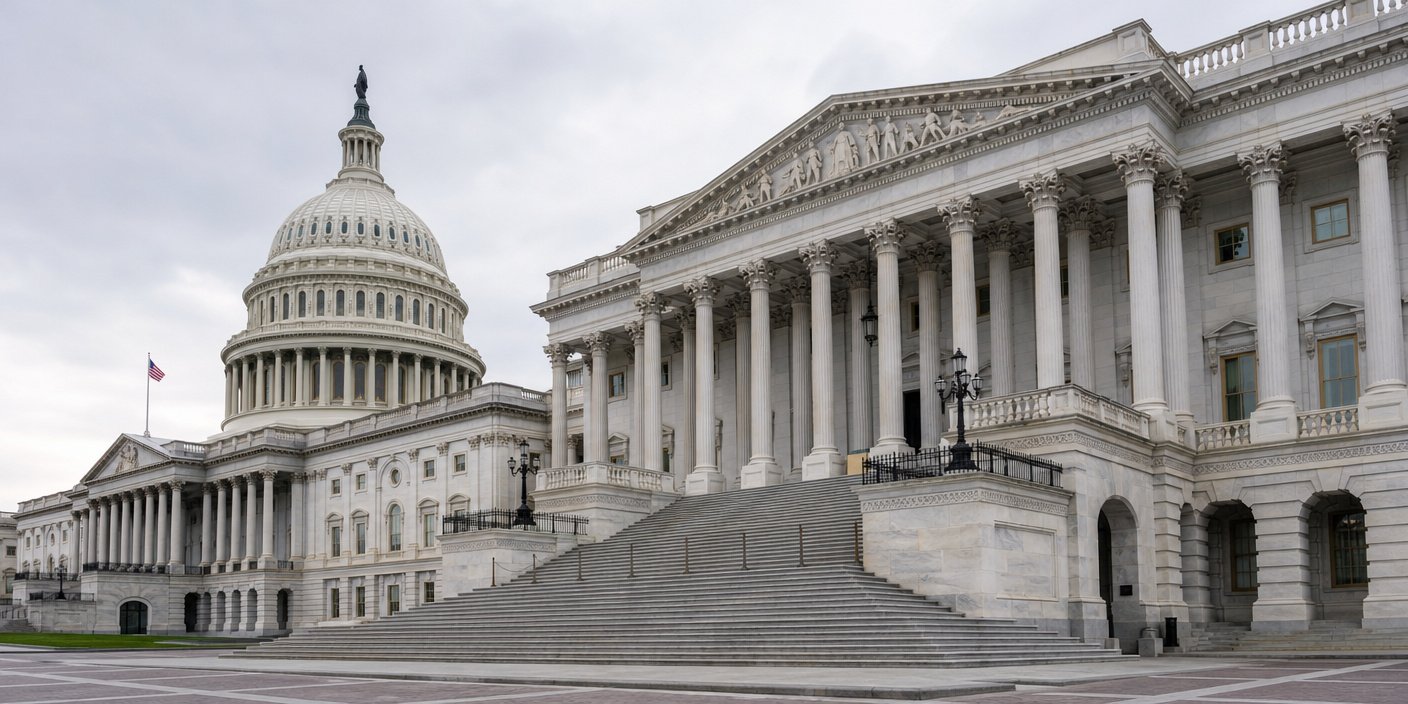
WASHINGTON D.C. – Proposed reductions in Medicaid funding, anticipated to be debated by Congress in February 2025, could trigger severe negative health outcomes for millions of Americans, overwhelm emergency medical facilities, and lead to the closure of numerous rural hospitals across the nation, according to a stark analysis from leading healthcare experts.

Writing from Kaiser Permanente, Shannon McMahon, Executive Director for Medicaid Policy, and Claire Horton, MD, Vice President and Associate Chief Medical Officer for National Medicaid and State Programs, articulated these concerns in a recent article, emphasizing the critical role the program has played in the U.S. healthcare landscape for nearly 60 years.

Medicaid’s Foundational Role in American Healthcare

For decades, Medicaid has served as a vital safety net, providing crucial health coverage and access to essential medical care for individuals with low incomes and disabilities. The program’s reach is extensive, currently covering approximately 14 million Americans residing in rural areas and an estimated 10 million Americans under the age of 65 with disabilities.

Experts stress that Medicaid funding is fundamental to ensuring access to a wide array of necessary medical services, ranging from vital prenatal care for expectant mothers to routine primary care check-ups and chronic disease management. This access is particularly critical for vulnerable populations who might otherwise go without care until conditions necessitate expensive emergency intervention.

The Impact of Medicaid Expansion
More stories

RFK Jr. Nomination for US Health Secretary Advances Amid Intense Controversy

February 5, 2025

Congress Mandates Massive Healthcare Cuts Target in FY 2026 Budget Framework

April 10, 2025

Kennedy-Trump Commission Sounds Alarm on ‘Childhood Health Crisis,’ Targets Vaccines, Food, and Prescription Drugs in Landmark Report

May 22, 2025

Critical Federal Health Data Offline at CDC Amidst Website Changes

February 2, 2025

A significant milestone in the program’s history occurred in 2014 when many states opted to expand Medicaid eligibility under the Affordable Care Act, supported by increased federal matching funds. This expansion dramatically broadened access to coverage. According to McMahon and Horton, since this period, the uninsured rate among Americans has fallen remarkably, plummeting from 1 in every 5 individuals to a mere 8%.

This expanded coverage has yielded demonstrable improvements in public health. Studies and data cited by the Kaiser Permanente experts indicate that the expansion has contributed to improved health outcomes and a reduction in mortality rates across participating states. Furthermore, hospitals have seen a substantial benefit, with the amount of uncompensated care they provide decreasing by approximately 40% as more patients gained insurance coverage through Medicaid.

Projected Consequences of Funding Reductions

The analysis by McMahon and Horton directly addresses the potential fallout should Congress move forward with debated funding cuts in February 2025. They warn that such actions would directly lead to worse health outcomes for millions of individuals who rely on Medicaid for their care. Without access to preventive and primary services, many would see their health conditions worsen.

This deterioration in health is predicted to place an unbearable strain on the healthcare system’s most expensive access point: emergency rooms. As individuals lose their ability to access regular medical care, they are more likely to defer treatment until a crisis arises, leading to overcrowded emergency departments and increased costs.

Perhaps one of the most severe predicted consequences highlighted by the experts is the impact on the nation’s already fragile rural healthcare infrastructure. Many rural hospitals operate on extremely thin margins and depend heavily on Medicaid reimbursements to remain financially viable. Significant cuts to the program could render these facilities unsustainable, forcing many rural hospitals to close. This would leave vast geographic areas and millions of rural Americans without local access to critical medical services.

Experts Urge Caution

In their assessment, McMahon and Horton issue a clear appeal to policymakers contemplating changes to Medicaid funding. They argue that any actions resulting in reduced funding would cause direct and significant harm to millions of Americans who depend on the program for essential healthcare.

The experts underscore that undermining Medicaid does not merely affect individual beneficiaries; it poses a fundamental threat to the stability and functionality of the entire U.S. health care system. They implore lawmakers to consider the far-reaching and potentially devastating consequences before enacting changes that could unravel decades of progress in expanding health coverage and improving national health outcomes.

The debate surrounding Medicaid funding in Congress in early 2025 is therefore framed not just as a fiscal matter, but as a critical decision point with profound implications for the health and well-being of the nation’s most vulnerable populations and the viability of the healthcare infrastructure that serves them.


FacebookX TwitterPinterestLinkedInTumblrRedditVKWhatsAppEmail

ingrid Muller

Trump’s First Month: Sweeping Policy Shifts Target Border, Immigration, Energy
US Stocks Plunge on Policy Uncertainty, Tariff Concerns Dent Business and Consumer Confidence
Related posts
  • Related posts
  • More from author
Health

Life-Saving Silicone: How ‘I Gave Birth’ Bands Reduce Risks

August 20, 20260
Health

Senate Confirms Dr. Erica Schwartz as 22nd CDC Director

August 5, 20260
Health

Trump HHS Mandates Immediate Halt on Dangerous Gain-of-Function Research

July 28, 20260
Load more
Read also
Top Stories

Canada Hits Back: $20B U.S. Tariff Wall Set for Sept 8

August 23, 20260
Editorial

Trade Shock: U.S.-Canada Negotiations Collapse Over Three Key Standoffs

August 22, 20260
Politics

Trump Declares ‘Economic D-Day’ on Iran as 6-Month Conflict Milestone Approaches

August 21, 20260
Entertainment

Conan’s Global Odyssey: ‘Must Go’ Season 3 Hits Max

August 21, 20260
Editorial

SNAP Enrollment Plummets: 13% Drop Stuns Policy Experts

August 21, 20260
Business

U.S. Business Growth Hits 52-Month High: August Economic Surge

August 21, 20260
Load more

Recent Posts

  • Canada Hits Back: $20B U.S. Tariff Wall Set for Sept 8
  • Trade Shock: U.S.-Canada Negotiations Collapse Over Three Key Standoffs
  • Trump Declares ‘Economic D-Day’ on Iran as 6-Month Conflict Milestone Approaches
  • Conan’s Global Odyssey: ‘Must Go’ Season 3 Hits Max
  • SNAP Enrollment Plummets: 13% Drop Stuns Policy Experts

Recent Comments

No comments to show.
Social networks
FacebookLikes
X TwitterFollowers
PinterestFollowers
InstagramFollowers
YoutubeSubscribers
VimeoSubscribers
Popular categories
  • Top Stories604
  • National News329
  • Editorial302
  • Politics283
  • Business278
  • Crime & Justice257
  • Entertainment255
  • Health216
  • Tech & Innovation206
  • Culture & Society203
  • Uncategorized2

Canada Hits Back: $20B U.S. Tariff Wall Set for Sept 8

August 23, 2026

Trade Shock: U.S.-Canada Negotiations Collapse Over Three Key Standoffs

August 22, 2026

Trump Declares ‘Economic D-Day’ on Iran as 6-Month Conflict Milestone Approaches

August 21, 2026

Conan’s Global Odyssey: ‘Must Go’ Season 3 Hits Max

August 21, 2026

SNAP Enrollment Plummets: 13% Drop Stuns Policy Experts

August 21, 2026

Awards Season Culminates: Previewing the 97th Academy Awards and Weekend Entertainment Options

4534 Comments

S&P 500 Nears Record as Nasdaq Hits Three-Week High; Major Indexes Post Strong Weekly Gains on February 14, 2025

779 Comments

Google Introduces Premium AI Ultra Subscription Globally: Advanced Capabilities and Pricing Details Emerge

771 Comments

Trump Rallies GOP on Capitol Hill Amidst Doubt for Sweeping Domestic Policy Bill

582 Comments

Future of Telecom: How AI and 5G Convergence is Driving Innovation

542 Comments
    © Copyright 2025, All Rights Reserved
    • About
    • Privacy
    • Contact