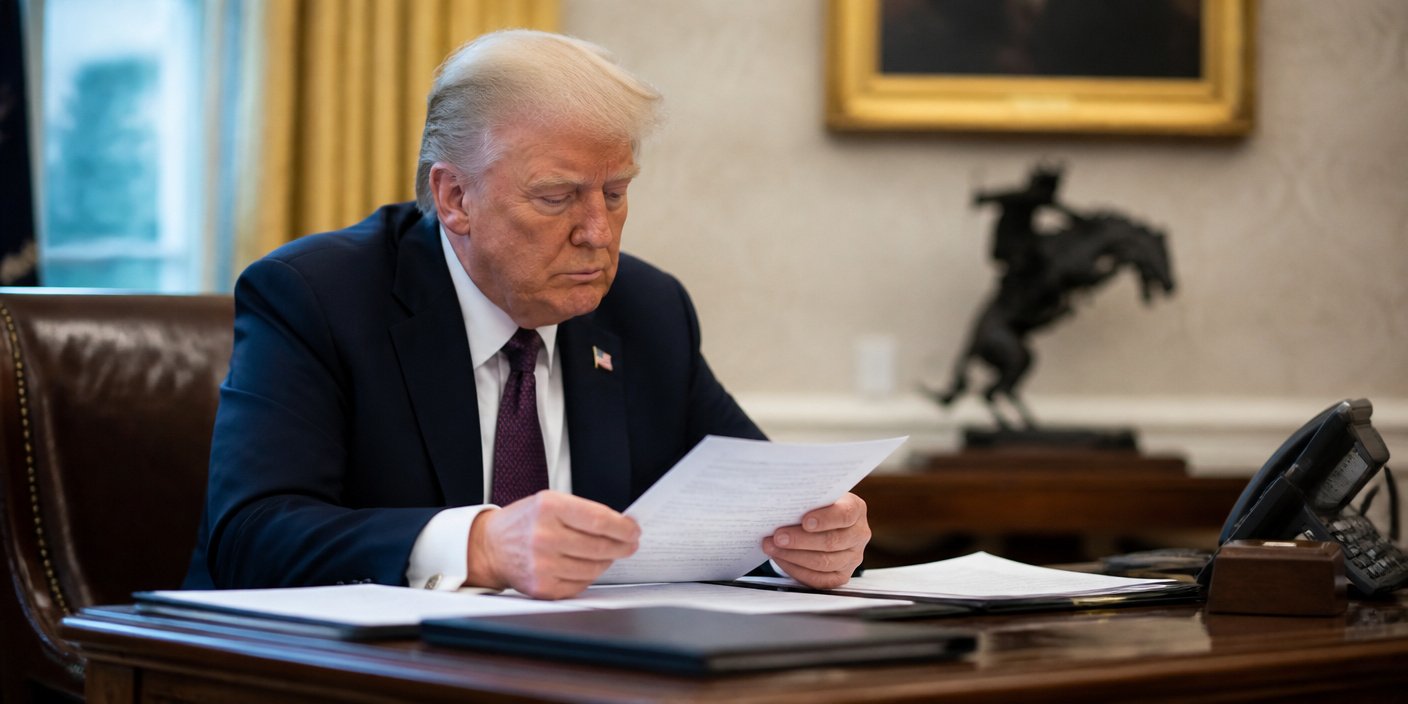
President Donald Trump has escalated geopolitical tensions, announcing a new phase of “economic warfare” against Iran, explicitly labeled an “economic D-Day,” as the ongoing conflict approaches its sensitive six-month milestone. This strategic shift is designed to dramatically tighten the isolation of Tehran, with the administration aiming to force tangible concessions regarding Iran’s nuclear program and ensure the freedom of navigation through the critical Strait of Hormuz.
Key Highlights
- The Strategy: The administration has dubbed the new policy an “economic D-Day,” signaling a maximum-pressure campaign to force Tehran to the negotiating table.
- Core Objectives: The primary goals remain twofold: securing verifiable concessions on Iran’s nuclear enrichment program and ensuring the continued, unobstructed flow of international trade through the Strait of Hormuz.
- Critical Timing: The announcement arrives as the current regional conflict enters its sixth month, a period typically viewed by intelligence and defense analysts as a testing ground for diplomatic endurance.
- Economic Lever: By targeting the financial underpinnings of the regime, the U.S. hopes to create internal leverage that necessitates diplomatic resolution over continued regional hostility.
Escalating the Pressure: The ‘Economic D-Day’ Doctrine
The declaration of an “economic D-Day” by President Trump marks a definitive pivot in Washington’s approach to Tehran, moving beyond incremental sanctions toward a comprehensive, multi-layered campaign of fiscal disruption. By utilizing the historical gravity of the term “D-Day,” the administration is signaling that this is not merely an advisory policy shift, but a concentrated, synchronized effort to neutralize Iranian strategic objectives through financial containment.
This policy is underpinned by the belief that traditional diplomatic channels have reached an impasse. The White House has indicated that the upcoming weeks are decisive, framing the initiative as a binary choice for the Iranian leadership: return to the negotiating table with substantive concessions or face total economic exclusion from the global financial system. Analysts suggest that this approach is tailored to bypass traditional state-to-state military engagement, opting instead to leverage the interconnected nature of the global economy against the regime’s interests.
The Strait of Hormuz: A Global Chokepoint

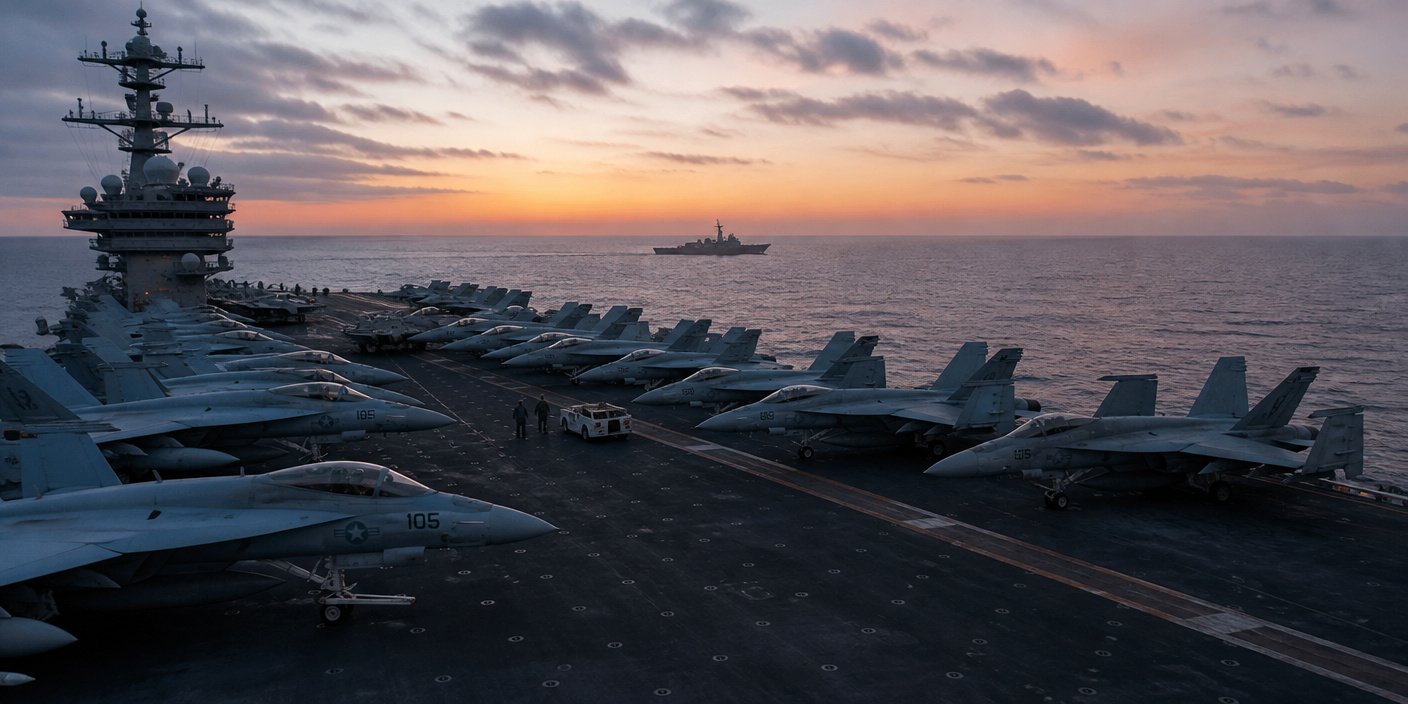
Central to this strategy is the security of the Strait of Hormuz. As one of the world’s most vital energy transit corridors, the strait serves as the primary outlet for crude oil exports from the Persian Gulf. Any threat to this maritime artery has immediate, global ramifications, affecting energy prices and economic stability worldwide.
By prioritizing the reopening and securing of the Strait, the administration is effectively asserting that the economic integrity of global energy markets is a primary security interest. The administration’s move is a direct response to recent activities in the region that have caused volatility in oil prices. Washington’s clear stance is that “economic D-Day” measures will remain in place until international shipping through these waters can proceed without the threat of seizure or disruption by Tehran. This creates a direct correlation between the administration’s economic policy and the operational security of global oil trade.
The Nuclear Impasse and Strategic Isolation
Beyond the maritime concerns, the nuclear file remains the foundational issue of the broader U.S.-Iran tension. The administration’s current approach seeks to eliminate the ambiguity that has characterized negotiations for the past several years. By framing the current efforts as an “economic D-Day,” Washington is applying pressure on the regime’s central treasury, effectively attempting to price out the viability of continuing clandestine nuclear development.
This isolation strategy targets specific sectors that are perceived to be funding these programs. The intent is to sever the financial lifelines that sustain domestic policy in Tehran. Whether this pressure will lead to the desired concessions or, conversely, harden the stance of the Iranian leadership, remains the subject of intense debate among geopolitical experts. However, the administration’s commitment to this timeline suggests a belief that the current economic window is the most opportune moment to force a resolution before the regional conflict reaches a potentially wider, more dangerous stage.
Analyzing the 6-Month Threshold
Historical precedent in regional conflicts often shows that the six-month mark is a breaking point for domestic and international political will. The administration’s focus on this specific date suggests a highly coordinated intelligence and political strategy. By pushing this new economic agenda days before this six-month marker, the U.S. is signaling that it does not intend to let the current stalemate drag on into a long-term frozen conflict. Instead, this is an attempt to define the narrative and the trajectory of the standoff, forcing regional actors to pivot in response to a newly aggressive economic reality.
FAQ: People Also Ask
Q: Why is the term ‘Economic D-Day’ being used?
A: The term is being used by the Trump administration to convey the gravity, urgency, and synchronized nature of the new sanctions and financial measures, implying a decisive, singular effort to achieve specific geopolitical objectives.
Q: What is the significance of the 6-month mark?
A: The six-month mark is often cited by analysts as a critical juncture in geopolitical crises where initial strategic assumptions fail, and parties must either escalate, negotiate, or face prolonged instability. The administration is using this timing to force a resolution.
Q: How does this impact global oil markets?
A: Given that the Strait of Hormuz is a key energy transit point, any intensification of “economic warfare” in the region creates uncertainty, which typically leads to price volatility in energy markets. Investors are watching for any signs of actual shipping disruptions.