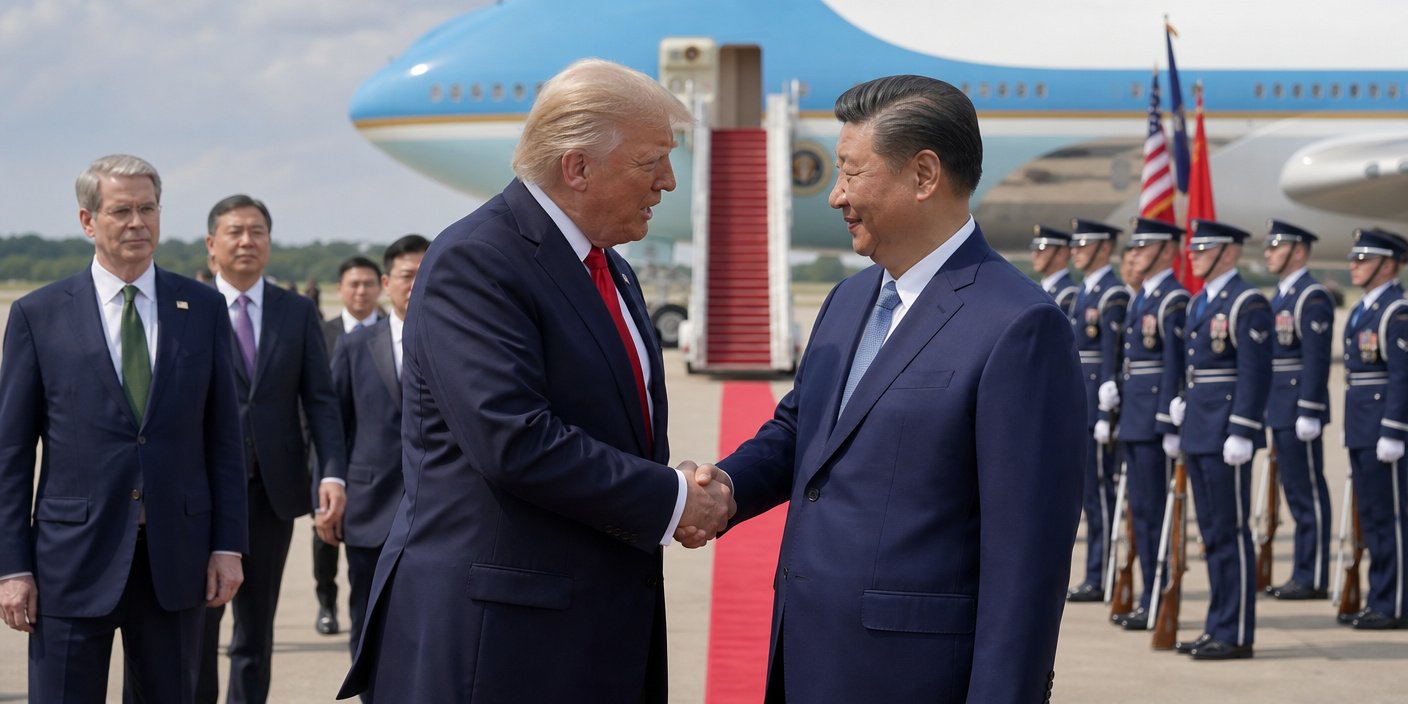
Amidst a backdrop of escalating regional conflict and heightened global uncertainty, U.S. President Donald Trump has claimed that “very good” and “productive” talks have occurred with an unnamed Iranian official, suggesting a potential path toward de-escalation. However, these assertions have been sharply contradicted by Iranian officials, who have repeatedly denied any ongoing negotiations and accused the U.S. of spreading misinformation to influence energy markets. The conflicting narratives highlight the delicate and volatile nature of the current geopolitical climate, with international intermediaries reportedly engaging in efforts to mediate peace between the parties.
Key Highlights:
- President Trump announced that the U.S. has had “very good” and “productive” talks with an Iranian official, hinting at a potential resolution to the conflict.
- Iranian officials, including the Parliament Speaker, have vehemently denied any negotiations with the U.S., labeling Trump’s claims as “Fakenews” intended to manipulate markets.
- The U.S. has reportedly extended a deadline for Iran to reopen the Strait of Hormuz, with a temporary pause on threatened strikes against Iranian power plants.
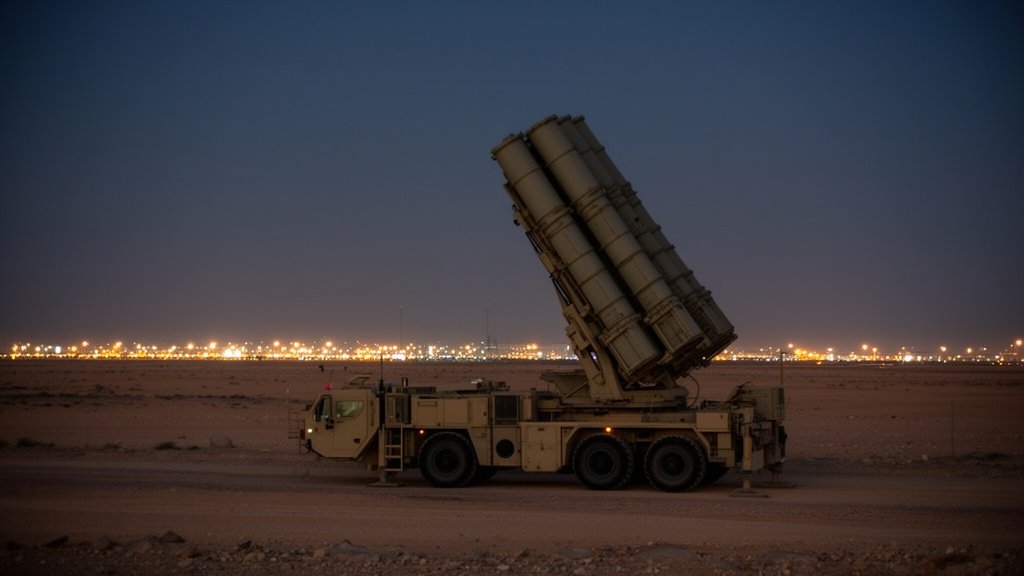
- Simultaneously, Iran has launched missiles and drones at Israel and Gulf Arab states, while Israel vows to continue its actions against Iranian and Lebanese targets.
- International mediators, including Turkey and Egypt, are reportedly engaged in efforts to broker peace and de-escalate the intensifying conflict.
- Global oil prices have experienced volatility due to the ongoing geopolitical tensions and uncertainty surrounding potential disruptions to oil supply routes.
Diplomatic Maneuvers Amidst Escalating Conflict
The assertion of ongoing U.S.-Iran talks, claimed by President Donald Trump, stands in stark contrast to the official statements emerging from Tehran. Trump’s administration has suggested that U.S. envoys, including his son-in-law Jared Kushner and special envoy Steve Witkoff, have been engaged in discussions with a “respected” Iranian leader, aiming to avert further hostilities and potentially resolve the conflict. These alleged conversations, according to Trump, were “very good and productive” and could lead to a “complete and total resolution” of the war. This claim was further bolstered by reports of a temporary delay in threatened U.S. strikes against Iranian power plants, which Trump stated was contingent on the success of these ongoing meetings. The White House has also indicated an extended deadline for Iran to reopen the vital Strait of Hormuz, a crucial oil shipping route, without resorting to attacks on its power infrastructure.



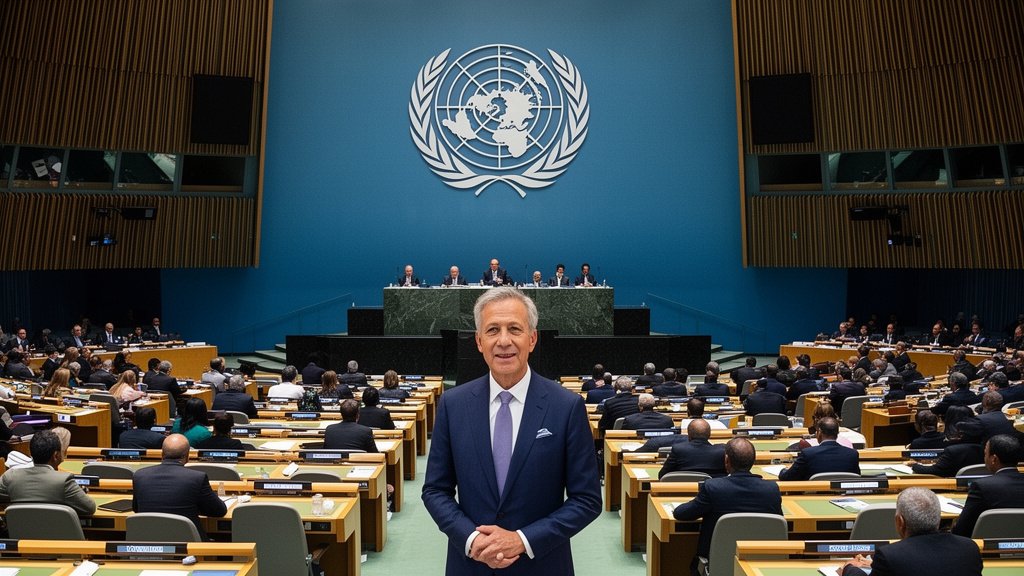
However, this narrative of diplomatic progress has been vehemently rejected by Iranian officials. Iran’s Parliament Speaker, Mohammad Baqer Qalibaf, dismissed Trump’s claims as “Fakenews” designed to influence global energy markets, particularly oil prices. Mehr News Agency, citing Iran’s Foreign Ministry, explicitly stated that “There are no talks between Tehran and Washington,” and that Trump’s statements were part of a push to reduce energy prices. This direct contradiction from Tehran underscores the deep mistrust and complexity of the situation, suggesting that any “talks” might be indirect or misconstrued. Despite the denials, international intermediaries such as Turkey and Egypt are reportedly involved in discreet mediation efforts, attempting to bridge the gap between the two nations and de-escalate the intensifying conflict.
Geopolitical Flashpoints and Market Volatility
The escalating conflict between the U.S. and Iran has sent ripples through global markets, primarily affecting oil prices. The ongoing tensions, characterized by missile and drone attacks, threats of military action, and diplomatic disputes, have created significant uncertainty. Iran has launched missiles and drones targeting Israel and Gulf Arab states, prompting retaliatory actions and further heightening regional alarm. Simultaneously, Israel has vowed to continue its strikes against Iranian and Lebanese targets, indicating that the conflict is far from over. This volatile environment has led to fluctuating oil prices, with concerns over potential disruptions to supply routes like the Strait of Hormuz contributing to market instability.
The strategic importance of the Strait of Hormuz cannot be overstated, as any disruption could lead to a global energy crisis. Trump’s administration has set a deadline for Iran to reopen this vital waterway, with the threat of strong military action, including targeting key infrastructure, looming if Iran fails to comply. The conflicting statements regarding negotiations and the continuation of military actions create a precarious situation, where the potential for further escalation remains high. The deployment of additional U.S. military assets to the region further signals the seriousness of the standoff and the potential for a prolonged conflict.
Historical Context and Stalemate
The current impasse between the U.S. and Iran is not unprecedented. Years of diplomatic stalemates and periods of heightened tension have marked the relationship between the two countries, particularly concerning Iran’s nuclear program and regional influence. Previous rounds of negotiations, such as those held in Geneva, have concluded without significant breakthroughs, leaving both sides wary of compromise. The U.S. has outlined stringent conditions for a potential deal, including a halt to Iran’s missile program, zero uranium enrichment, and dismantling key nuclear facilities, demands that Iran has consistently rejected as infringements on its sovereignty.
Iran, on its part, has emphasized that restoring stability in crucial shipping lanes requires the U.S. and Israel to halt attacks and commit to not resuming them. The death of Iran’s Supreme Leader during recent strikes has further complicated diplomatic outreach, making immediate de-escalation more challenging. Despite these hurdles, both sides have, at various times, signaled a willingness to engage in dialogue, albeit with vastly different expectations and preconditions. The U.S. administration is reportedly exploring various channels for negotiation, including identifying suitable mediators, with Qatar emerging as a potential option. However, the fundamental disagreements over core issues, coupled with the ongoing military escalation, create a significant diplomatic challenge, leaving the resolution of this protracted conflict uncertain.
FAQ: People Also Ask
Q: Are the U.S. and Iran currently engaged in direct negotiations?
A: President Donald Trump has claimed that “very good” and “productive” talks have occurred with an unnamed Iranian official. However, Iranian officials have repeatedly denied these claims, labeling them as misinformation and stating that no negotiations are taking place between Tehran and Washington.
Q: What is the significance of the Strait of Hormuz in this conflict?
A: The Strait of Hormuz is a vital shipping route for oil, and its potential closure or disruption could lead to a global energy crisis. Trump has set a deadline for Iran to reopen the Strait, threatening military action if Iran does not comply.
Q: How have recent events impacted global oil prices?
A: The escalating tensions, missile strikes, and diplomatic disputes between the U.S. and Iran have led to volatile oil prices. Concerns about potential disruptions to oil supply routes have contributed to market instability.