The US-Israeli war against Iran has entered its third week, marked by the tragic deaths of six U.S. service members in a refueling plane crash in Iraq and ongoing retaliatory strikes by Iran. The conflict, which began on February 28, has resulted in a rising death toll for U.S. forces and heightened tensions across the Middle East, with significant humanitarian consequences and global economic implications.
The Deep Dive
Escalation and Casualties
The third week of the US-Israeli war on Iran has been characterized by continued hostilities and a significant loss of life. Six U.S. service members were killed on March 12 when their KC-135 refueling plane crashed in western Iraq. While the Pentagon stated the crash was not caused by hostile fire, an Iranian proxy group, the Islamic Resistance in Iraq, has claimed responsibility. This incident raises the U.S. military death toll in the conflict, with various reports indicating a total of 6 to 13 service members killed since the war commenced. Some reports also mention additional service members who succumbed to injuries sustained during earlier attacks.
Iranian Retaliation and Threats



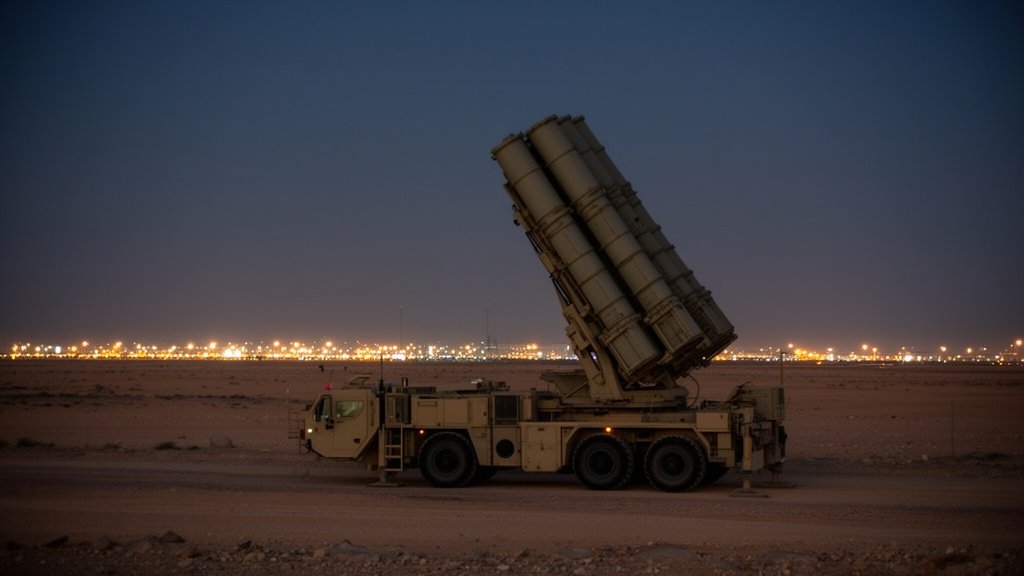
Iran has continued its retaliatory actions, launching drone and missile attacks on infrastructure in the United Arab Emirates and other Gulf nations. Tehran has also issued explicit threats to attack civilian ports in the UAE, urging evacuations and labeling them as “legitimate targets” due to alleged U.S. military use. These actions have heightened fears of a wider regional conflict and exacerbated global economic worries, particularly concerning the Strait of Hormuz, a crucial oil transit route that has seen shipping effectively halt.
Humanitarian and Regional Impact
The conflict’s impact extends beyond military casualties, with a severe humanitarian crisis unfolding in Lebanon due to the ongoing war between Israel and Hezbollah. Reports indicate thousands killed and hundreds of thousands displaced. Neighboring countries have also faced attacks, with Saudi Arabia reporting downing numerous Iranian drones and the UAE confirming missile attacks. Air raid sirens have sounded in Bahrain and Israel, underscoring the widening scope of the conflict.
Diplomatic and Political Developments
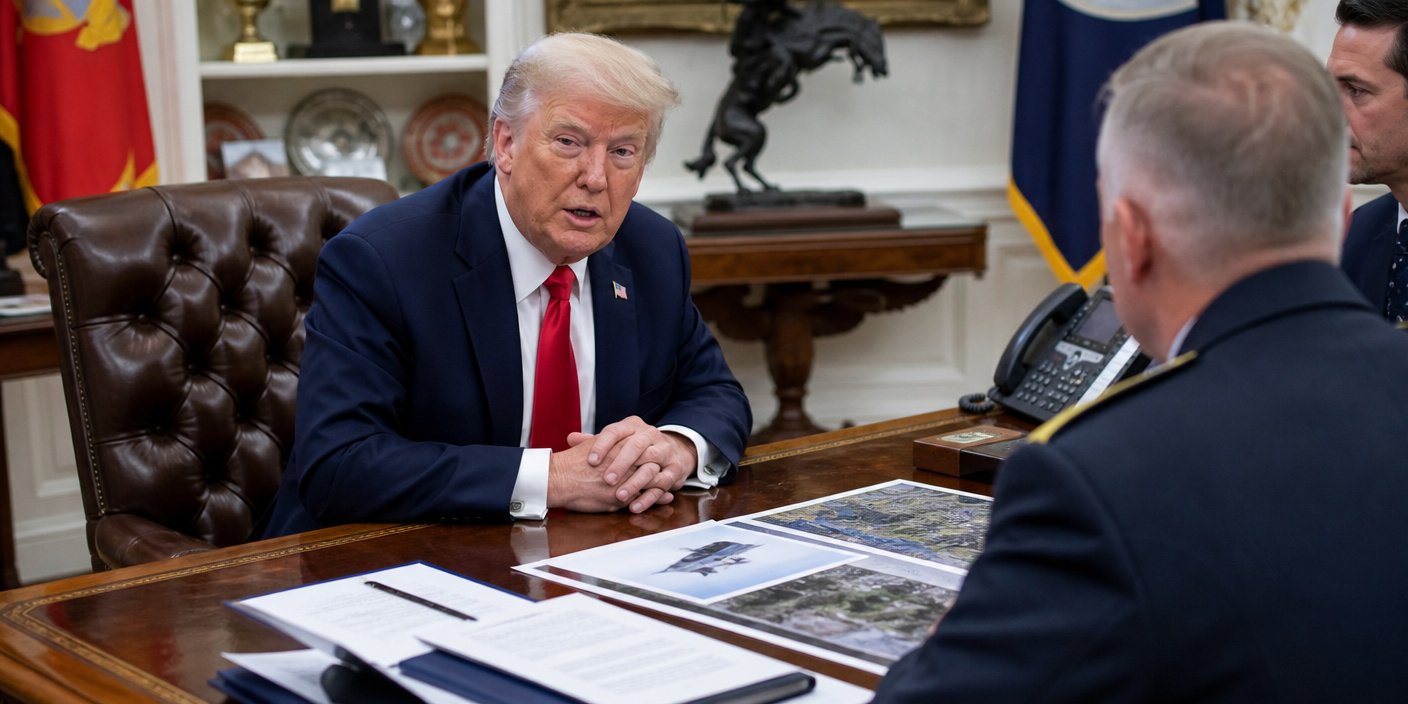
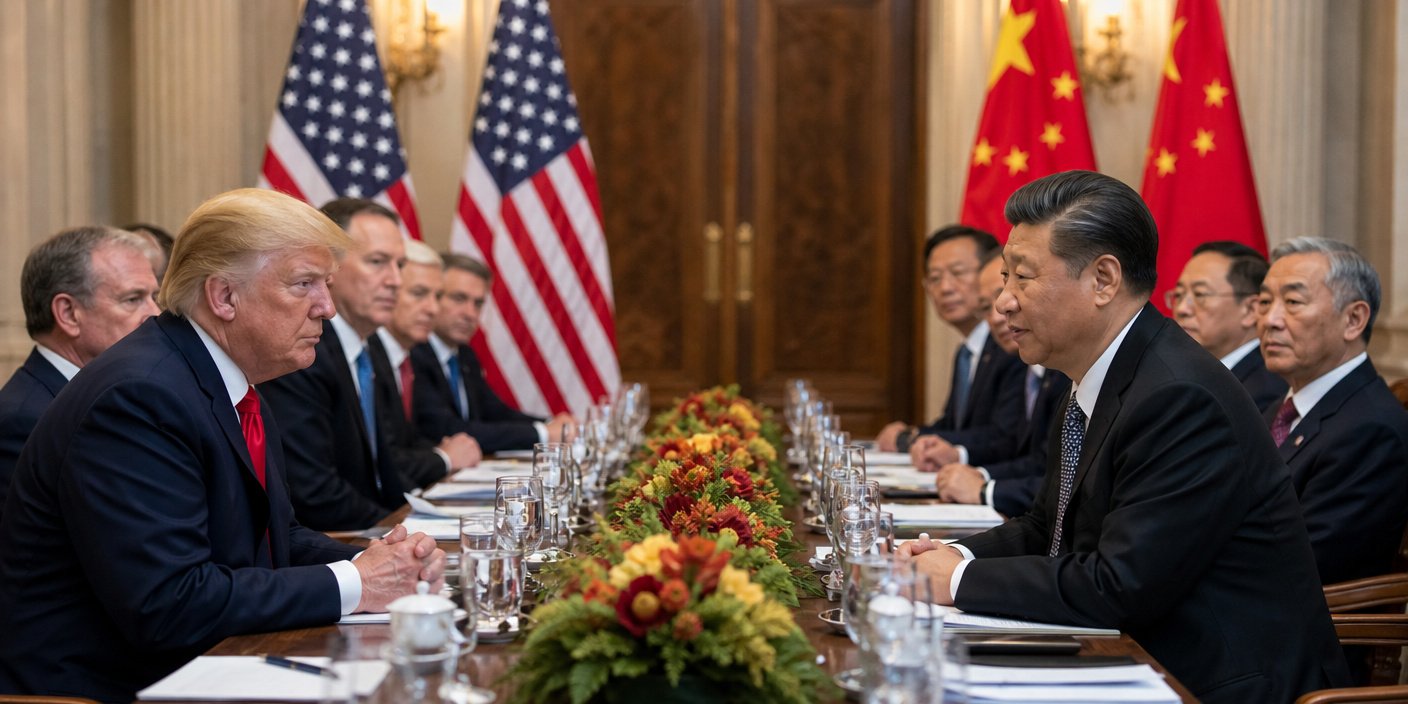
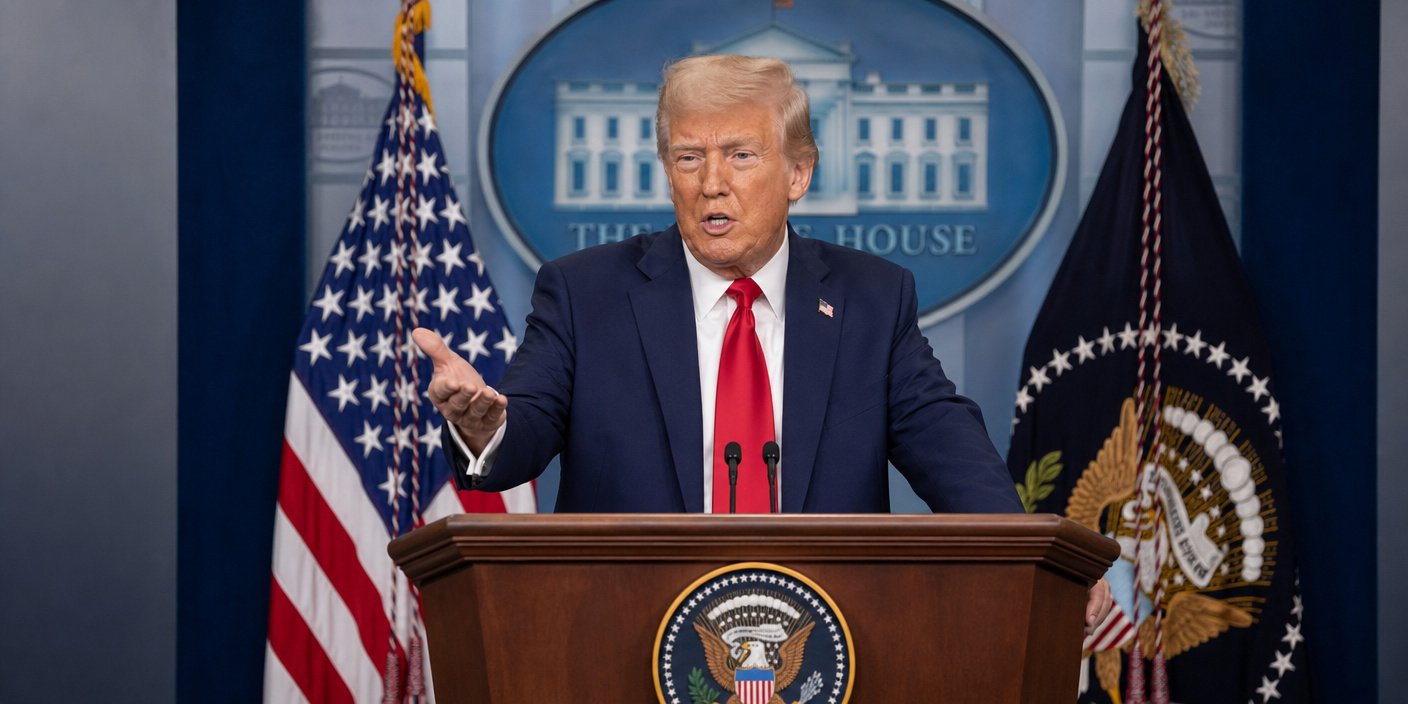
Despite the escalating conflict, there have been conflicting statements regarding potential negotiations. While U.S. President Trump has claimed Iran desires a ceasefire, Iranian Foreign Minister Abbas Araghchi has flatly denied these assertions, stating that Iran has not sought any dialogue. President Trump has also reportedly ignored attempts by Middle Eastern allies to initiate peace talks. Meanwhile, political discourse continues, with some figures resigning over the war’s justification.
Economic Repercussions
The disruption to global shipping, particularly around the Strait of Hormuz, has sent crude oil prices soaring and U.S. gas prices on the rise. The U.S. and its allies are seeking to ensure the free flow of oil through the waterway, though European nations have expressed reluctance to provide military assistance for this effort. The strategic importance of the Strait of Hormuz, through which approximately one-fifth of the world’s oil supply passes, amplifies concerns about the war’s economic consequences.
FAQ: People Also Ask
What is the current status of the US-Israeli war on Iran?
The US-Israeli war on Iran has entered its third week, characterized by continued strikes and retaliatory actions. There have been significant casualties on both sides, including the deaths of six U.S. service members in a plane crash in Iraq. Iran continues to launch attacks on regional targets, while diplomatic efforts for a ceasefire appear stalled.
How many U.S. service members have been killed in the conflict?
Reports vary, but the U.S. military has confirmed the deaths of six service members in a KC-135 refueling plane crash in Iraq. Other reports suggest the total U.S. military death toll ranges from 6 to 13 service members since the war began, with some fatalities resulting from injuries sustained in earlier attacks.
What has been the impact of the war on global shipping and the economy?
The conflict has severely disrupted global shipping, particularly around the Strait of Hormuz, a vital route for global oil supply. This disruption has led to a significant increase in crude oil prices and a rise in U.S. gas prices.