On March 20, 2026, Iran escalated its ongoing conflict by launching retaliatory strikes on energy infrastructure in Saudi Arabia, Qatar, and Kuwait. This action, a direct response to an earlier Israeli strike on Iran’s South Pars gas field, has sent shockwaves through global energy markets, driving up oil and gas prices and raising fears of a severe energy crisis. Amidst the escalating hostilities, the United States is reportedly considering a rollback of sanctions on Iranian oil.
The Deep Dive
Escalation of Attacks on Energy Infrastructure
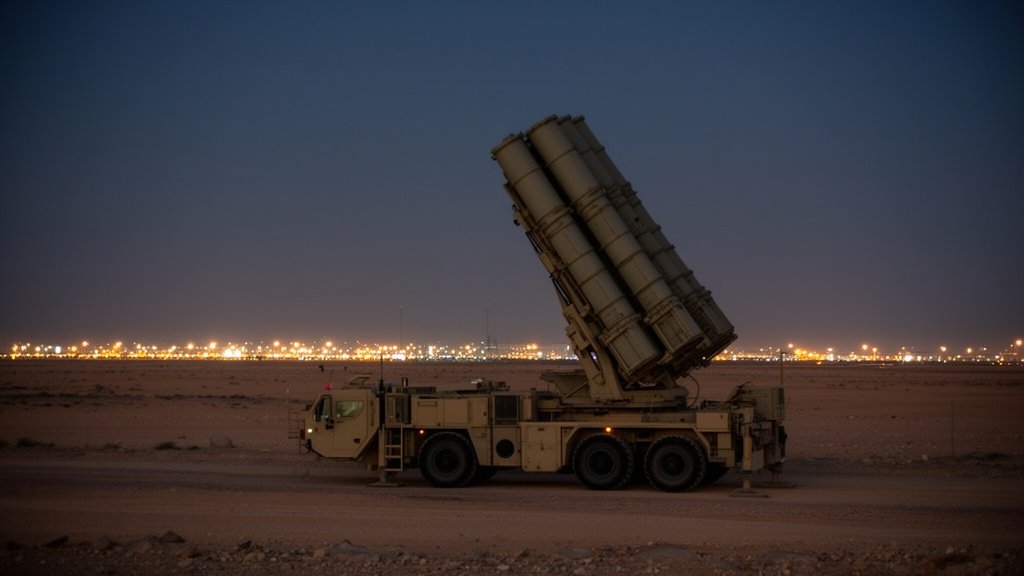
Following an Israeli strike on the South Pars gas field, which Iran shares with Qatar, Iran retaliated with significant attacks on energy facilities across the Persian Gulf. These retaliatory strikes targeted a Saudi refinery in Yanbu, liquefied natural gas (LNG) facilities in Qatar, and oil refineries in Kuwait. The damage reported at Qatar’s Ras Laffan Industrial City, the world’s largest LNG facility, was extensive, with fires breaking out and production halted. Kuwait’s Mina Al-Ahmadi oil refinery was also hit by drones, causing fires. Saudi Arabia reported shooting down drones targeting its oil-rich Eastern Province, and the UAE experienced disruptions at its Habshan gas facility and Bab field.
Global Market Impact and Price Surges


The intensified attacks on energy infrastructure have had a profound impact on global markets. Oil prices surged, with Brent crude briefly exceeding $115 a barrel and fears of a full-blown energy crisis mounting. The European benchmark for natural gas prices also rose sharply, having doubled in the past month. Analysts warn that the targeting of energy production facilities is “hitting the plumbing of the global energy system” and could lead to long-term disruptions. The attacks have also put significant pressure on global supplies already strained by Iran’s control over the Strait of Hormuz, a critical chokepoint for oil transport.
U.S. Response and Sanctions Policy
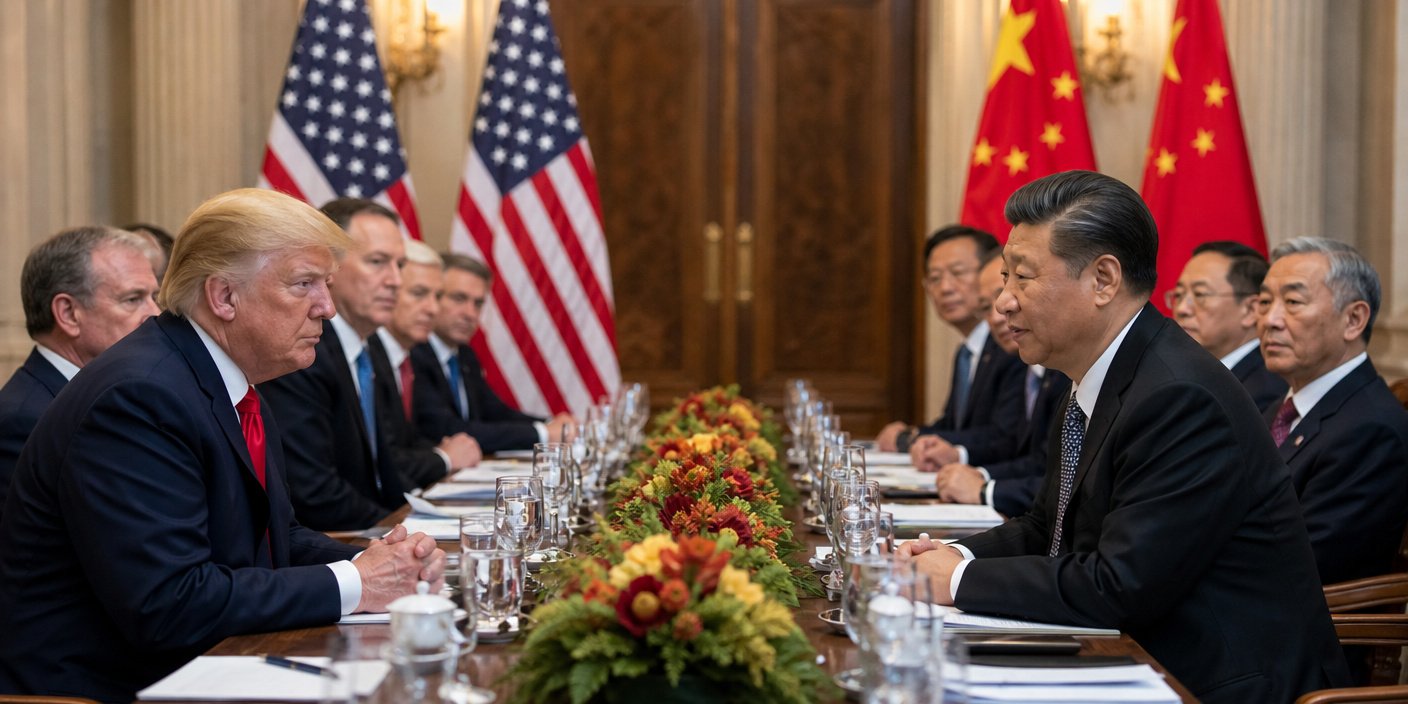
Amidst the escalating conflict, the Trump administration is reportedly considering a rollback of sanctions on Iranian oil. Treasury Secretary Scott Bessent indicated that the U.S. might lift restrictions on Iranian oil already loaded onto vessels. This move could potentially impact global oil prices and the broader economic landscape of the conflict. President Trump has also issued strong warnings to Iran, threatening to “massively blow up the entirety” of Iran’s South Pars gas holdings if attacks on Qatar continue. However, Trump also stated that Israel would not attack South Pars again, and that the U.S. would not deploy ground troops to Iran.
Regional Instability and Diplomatic Concerns
The escalating war has heightened regional instability, with neighboring Arab states expressing deep concern. Saudi Arabia’s Foreign Minister strongly condemned the Iranian strikes, stating that any remaining trust between Riyadh and Tehran had been “completely shattered.” Qatar has expelled Iranian attaches, and Saudi Arabia has warned of its right to respond militarily. The conflict has also drawn international attention, with leaders globally calling for de-escalation. The attacks have also affected civilians, with millions forced into shelters during the ongoing conflict.
FAQ: People Also Ask
- What triggered Iran’s attacks on Gulf energy sites?
Iran’s attacks were a direct retaliation for an Israeli strike on Iran’s South Pars gas field, which it shares with Qatar.
- How have the attacks affected global energy prices?
The intensified attacks have caused a significant surge in global oil and gas prices, with Brent crude briefly exceeding $115 a barrel. This has heightened fears of an energy crisis.
- What is the U.S. response to the escalating conflict?
The U.S. is reportedly considering lifting sanctions on Iranian oil already at sea. President Trump has also issued threats to Iran regarding further attacks on energy facilities, while also stating that Israel would cease strikes on the South Pars field.