Trump Administration Shelves Key China Tech Bans
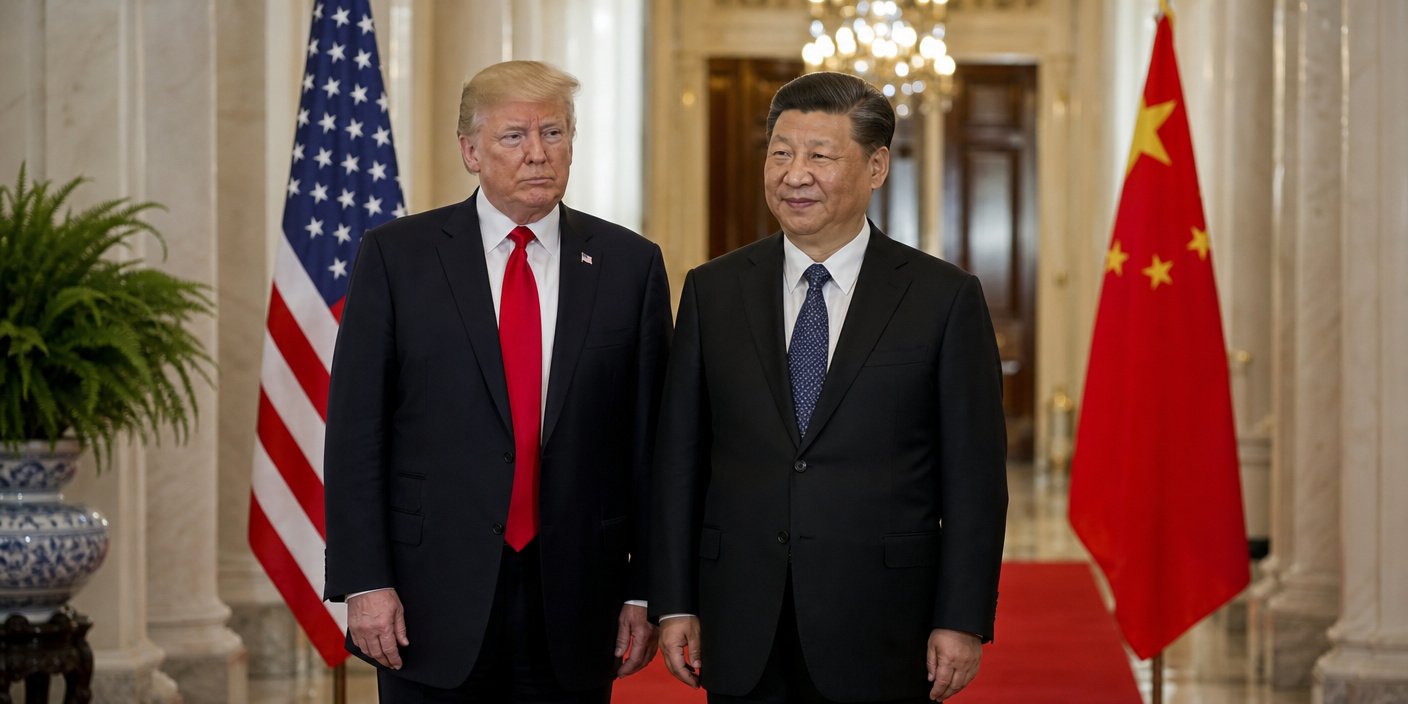
The Trump administration has paused several significant technology security measures targeting China. These actions were reportedly halted ahead of an anticipated April summit between President Donald Trump and Chinese President Xi Jinping. This move follows a trade truce agreed upon in October. It reflects a delicate balancing act between national security and diplomatic relations. The pauses aim to avoid upsetting Beijing before crucial high-level talks. However, critics voice strong concerns about compromised American security.
Key Technology Measures Put on Hold
Several specific actions against Chinese technology firms have been put on the back burner. A proposed ban on China Telecom’s U.S. operations is now on hold. Restrictions on selling Chinese equipment for U.S. data centers are also paused. Additionally, proposed bans on domestic sales of TP-Link routers have been suspended. The administration also halted actions against China Unicom and China Mobile’s U.S. internet businesses. Furthermore, a measure restricting Chinese electric trucks and buses is paused.



These measures were intended to protect American interests. They aimed to prevent sensitive data access and intellectual property theft. The goal was to stop potential sabotage of critical U.S. infrastructure. Critics argue this pause leaves American systems vulnerable. This is especially concerning as U.S. data center construction rapidly expands. These trends are driven by rising demand for artificial intelligence technology.
Diplomatic Strategy and Trade Thaw
The timing of these pauses aligns with efforts to stabilize U.S.-China relations. The October trade truce provided a temporary de-escalation of trade frictions. China reportedly pledged to delay export restrictions on rare-earth minerals. These minerals are vital for global technology manufacturing. The upcoming summit offered a chance to build on this progress. The administration sought to create a more favorable atmosphere for discussions. However, this approach has drawn significant criticism.
Critics Raise National Security Alarms
Leading lawmakers and former officials have voiced strong opposition. Senate Minority Leader Chuck Schumer criticized the move. He stated that allowing Chinese technology into critical U.S. infrastructure compromises national security. Schumer warned it risks the private data of millions of Americans. He believes Trump is “selling out our national security” to please China.
Matt Pottinger, a former deputy national security advisor, echoed these concerns. He noted the irony of reducing leverage over rare-earth minerals. Pottinger warned that Beijing could gain new leverage. This leverage could impact U.S. telecoms, data centers, and AI. He suggested American data centers could become “remotely controlled islands of Chinese digital sovereignty.” David Feith, also a former Trump administration official, described Chinese hardware as a major security risk.
Administration’s Defense and Ongoing Rivalry
The Commerce Department defended its actions. It stated it is actively addressing national security risks from foreign technology. The department committed to continuing these efforts. Some experts suggest pausing restrictive measures makes sense during diplomatic efforts. Wendy Cutler, from the Asia Society Policy Institute, noted stabilization is a goal.
Despite these pauses, the underlying tech rivalry continues. The U.S. and China remain locked in competition. This includes ongoing disputes over tariffs and semiconductor export controls. The pause appears to be a tactical move within a larger, trending tech war. Both nations are vying for technological supremacy.
The Balancing Act Continues
This situation highlights the complex trade-offs involved. It pits immediate diplomatic gains against long-term security imperatives. The pauses reflect a strategy to manage tensions ahead of critical talks. However, the debate over protecting american innovation and infrastructure remains a core issue. These developments offer compelling stories about global power dynamics. The ongoing competition shapes future technological landscapes. The future relationship between the two economic giants remains a key focus for American policymakers.