American CEOs are speaking out cautiously, urging a **Free Market Defense**. President Trump’s policies often create concern, leading to a mild pushback, with fear of retaliation playing a key role and contrasting with earlier, more open criticism. A strong **Free Market Defense** is crucial for the business environment.
CEO Concerns and the Need for Free Market Defense

Suzanne Clark, leading the U.S. Chamber of Commerce, recently spoke at a major event, calling on executives to be “fearless” in their **Free Market Defense**. Government control is a major concern for CEOs, and she emphasized openness to the world, highlighting the importance of the global exchange of talent and ideas. Her remarks offered a subtle critique of how Trump intervenes directly in business, with his policies on tariffs and immigration policies drawing attention. The Chamber opposes government intervention and advocates for free market principles, a stance that seeks to avoid public outrage while championing a robust **Free Market Defense**. This approach reflects **CEO concerns** about the evolving **business environment**.
Specific Business Interests vs. Broader Free Market Defense
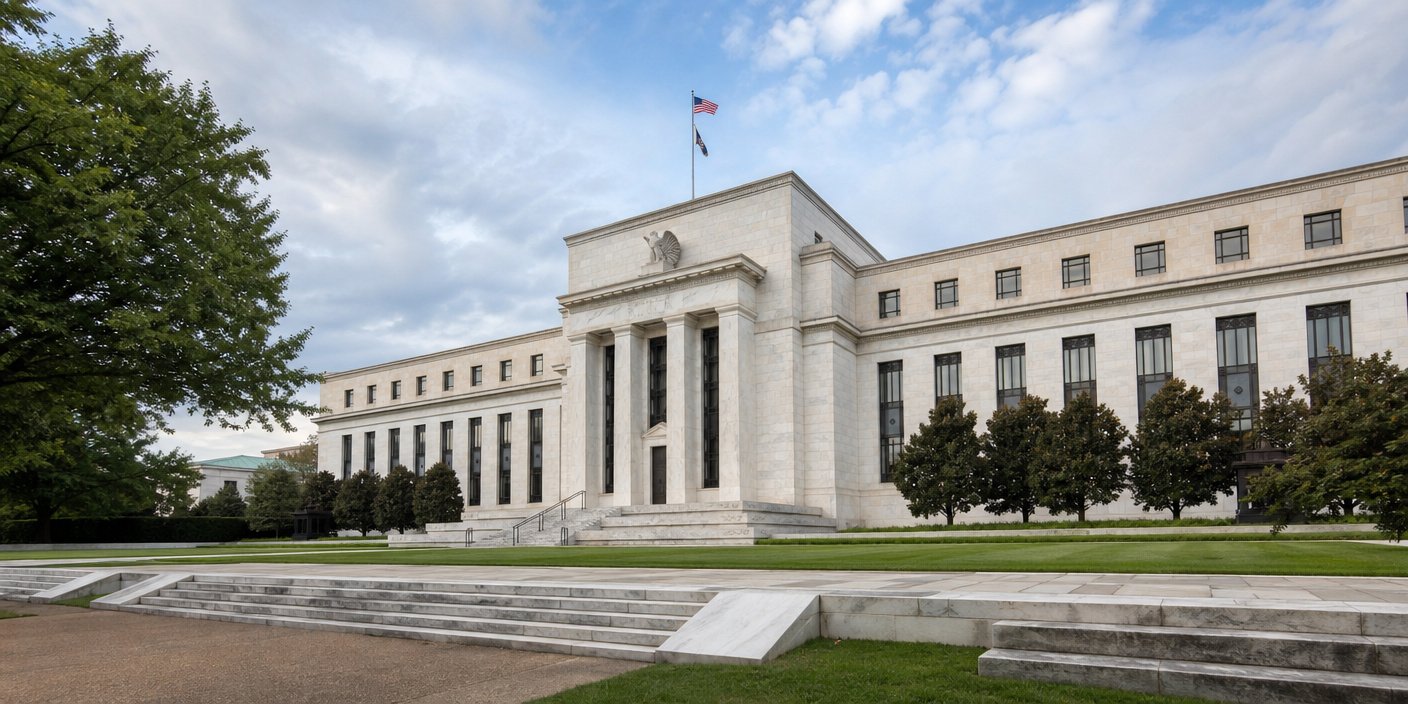
Other top CEOs share similar cautious views. Darren Woods of ExxonMobil spoke about Venezuela, calling the country “uninvestable.” Jamie Dimon, JPMorgan’s CEO, commented on the Federal Reserve, respecting its independence while also noting concerns about credit card rate caps. These critiques, while valid, focus on specific business interests and are often limited in scope, with executives confining remarks to their companies’ needs. This shows a tempered approach that avoids broad political confrontation, making a comprehensive **Free Market Defense** a complex undertaking. However, these specific points hint at broader issues challenging a strong **Free Market Defense**.
The reason for this mild response is clear: experts point to a pervasive fear among business leaders of administration repercussions. Dissent can invite negative consequences, a stark contrast to Trump’s first term when executives were more openly critical. Now, their public statements are restrained, with many CEOs engaging in “quiet work” to promote sound public policies behind the scenes. **Economic uncertainty** is a major risk factor for CEOs, leading them to adapt their public statements carefully to avoid potential backlash and to maintain some semblance of a **Free Market Defense**. This **economic uncertainty** is a significant factor impacting their ability to advocate effectively.
Trump Policies and Their Impact on Market Strategy
President Trump’s policies raise significant business concerns. He often intervenes directly in business. Tariffs increase prices for consumers and businesses and disrupt supply chains, harming overall economic growth, with small businesses being particularly affected. Tariffs can also lead to retaliation. Immigration policies have economic impacts, affecting labor supply. Experts warn of negative economic effects and these **Trump policies** create **economic uncertainty**, requiring careful navigation by companies as they try to maintain their **market strategy** and advocate for a **Free Market Defense**. The effectiveness of **corporate advocacy** is tested under these **Trump policies**.
CEOs strategically calibrate their public words, balancing reputational costs with access and aiming to position companies favorably. Some experts criticize this muted response, worrying about normalizing government control. This cautious approach may invite future regulation. The Chamber seeks to preserve bipartisan support and maintain free market principles, a difficult balancing act for leaders. The current approach signals careful measurement and reflects a measured pushback, aiming to protect the principles of a **Free Market Defense** even amidst **government intervention**. This careful calibration is essential for effective **corporate advocacy**.
American business leaders express their concerns, but their public response remains mild. This caution stems from fear of repricing. The business landscape demands careful strategy, and the future of free markets remains central. This news highlights political tensions and shows how CEOs navigate a challenging economy, making the consistent application of a **Free Market Defense** more difficult than ever. The ongoing **government intervention** poses a significant challenge to a strong **Free Market Defense**.