The United States launched a significant military operation in Venezuela, leading to a direct US Strike Venezuela and the subsequent capture of President Nicolás Maduro. This strike has resulted in the capture of President Nicolás Maduro. Former President Donald Trump announced the capture, stating U.S. forces took Maduro and his wife to New York. Trump declared the U.S. would manage Venezuela temporarily until a “proper transition” occurred. The operation followed months of escalating tensions, a major development in the context of a potential US Strike Venezuela. U.S. troops carried out the action on a Saturday morning, a move described as a significant shift in US foreign policy.
Global Outrage and Condemnation Following US Strike Venezuela
The world reacted with shock and condemnation to the US Strike Venezuela. Many nations voiced strong opposition, with China condemning the U.S. actions as an international law violation and demanding Maduro’s immediate release. Beijing stated the U.S. used “hegemonic acts” and urged respect for international law. The United Nations expressed deep concern, with Secretary-General António Guterres calling it a “dangerous precedent.” A spokesperson for Guterres noted that international law had not been respected following the US Strike Venezuela. The UN Human Rights office also voiced alarm. Russia condemned the action as an “act of armed aggression” and demanded Maduro’s release, requesting a UN Security Council meeting concerning the US Strike Venezuela.
European Reactions Divided on US Strike Venezuela
European leaders called for restraint following the US Strike Venezuela, with many stressing adherence to international law. The European Union monitored the situation closely, with officials expressing grave concern and warning of destabilizing global precedents. France stated the U.S. operation violated sovereignty, asserting no solution could be imposed from outside, especially after the US Strike Venezuela. Spain condemned the intervention, with Prime Minister Pedro Sánchez stating Spain would not recognize it due to violations of international law. Yolanda Díaz, a deputy prime minister, called it an “imperialist attack.” Italy, however, took a different stance, considering defensive interventions justified, aligning with Trump’s view of the US Strike Venezuela as a necessary measure to face threats.
South American Responses Varied to US Strike Venezuela
Reactions in South America were split regarding the US Strike Venezuela. Argentina’s President Javier Milei celebrated the news, calling it “excellent news for the free world” and an advance against narcoterrorism. Ecuador’s president wished for the downfall of “narco-Chavista criminals.” However, other leaders denounced the intervention and the US Strike Venezuela. Brazil’s President Luiz Inácio Lula da Silva called it an “unacceptable line,” comparing it to “darkest moments of interference,” a criticism often leveled at past Latin America intervention. President Gustavo Petro of Colombia condemned the attack as aggression against Venezuela following the US Strike Venezuela and deployed armed forces to prepare for potential refugee influxes. Mexico’s President Claudia Sheinbaum strongly rejected the U.S. actions, stating they violated the UN Charter, while Cuba’s President Miguel Díaz-Canel called it “state terrorism.”
Background and Context of the US Strike Venezuela
The U.S. had long pressured Maduro’s government, a pressure that culminated in the US Strike Venezuela. Sanctions were a key tool. In 2020, the U.S. charged Maduro with “narco-terrorism,” offering a reward for his capture, which increased to $50 million by August 2025. The Trump administration intensified its focus, leading to the US Strike Venezuela. Secretary of State Marco Rubio played a significant role in advocating for this aggressive policy, reframing intervention as a fight against drug kingpins. U.S. military buildup preceded the strike, a prelude to the US Strike Venezuela. Naval forces amassed in the Caribbean, and the U.S. conducted strikes on boats, signaling a shift in policy and a return to past interventions in Latin America intervention. The U.S. also claimed an “armed conflict” with drug cartels. Prior to this event, a maritime blockade was also imposed, all contributing to the context of the US Strike Venezuela.
Implications and Future Considerations of US Strike Venezuela
The operation following the US Strike Venezuela raises serious legal questions. The U.S. capture of a head of state is unprecedented in South America, echoing the 1989 invasion of Panama and contributing to broader concerns about Latin America intervention. Many nations cited violations of international law, and the UN warned of a dangerous precedent. Some U.S. allies urged respect for the UN Charter, and the EU called for peaceful resolution. The U.S. stated its intent to “get the oil flowing,” highlighting potential economic motivations behind the US Strike Venezuela. The future of Venezuela remains uncertain, especially with Nicolás Maduro captured. Discussions are underway regarding potential interim governments and elections. U.S. Senator Marco Rubio suggested Cuba could be next, signaling a potential broader strategy that may involve further Latin America intervention. The global order faces new questions as this intervention tests international rules and the consequences of a US Strike Venezuela are still unfolding.
Key Figures and Their Roles in the US Strike Venezuela
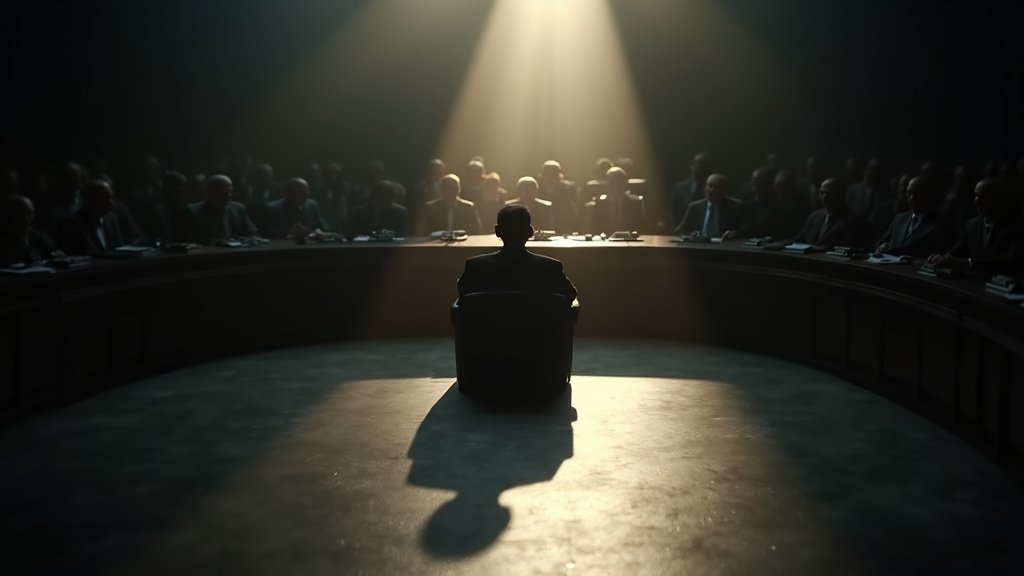
President Donald Trump: Authorized the military strike that led to the US Strike Venezuela. Announced the capture of Maduro and declared the U.S. would temporarily manage Venezuela.
President Nicolás Maduro: Venezuelan leader captured during the strike, a direct result of the US Strike Venezuela. Facing charges in New York.
Secretary of State Marco Rubio: Advocated for aggressive Venezuela policy, contributing to the decision for the US Strike Venezuela. Reframed intervention as anti-narcotics and hinted at potential action against Cuba.
United Nations Secretary-General António Guterres: Expressed deep concern and called the action a “dangerous precedent,” highlighting the gravity of the US Strike Venezuela.
China’s Ministry of Foreign Affairs: Strongly condemned the U.S. action, referring to it as an international law violation and a sovereign breach related to the US Strike Venezuela.
Russia’s Foreign Ministry: Condemned the strike as “armed aggression,” a reaction to the US Strike Venezuela. Demanded Maduro’s release and called for a UN Security Council meeting.
Brazilian President Luiz Inácio Lula da Silva: Called the attack an “unacceptable line,” criticizing the US Strike Venezuela and comparing it to past U.S. interference in Latin America.
Argentinian President Javier Milei: Celebrated Maduro’s capture following the US Strike Venezuela, hailing it as a victory for freedom.
French Foreign Minister Jean-Noël Barrot: Condemned the U.S. intervention, stating it violated international law after the US Strike Venezuela.
Iranian Ministry of Foreign Affairs: Denounced the attack as a violation of sovereignty and a breach of the UN Charter, a strong reaction to the US Strike Venezuela.
Conclusion on the US Strike Venezuela
The US Strike Venezuela and the subsequent capture of Nicolás Maduro captured have sent geopolitical shockwaves globally. This top news event has ignited widespread international debate and global condemnation. Condemnations from major world powers highlight concerns over international law. Neighboring countries and global blocs are grappling with the implications of this intervention. The future of Venezuela, regional stability, and the international order face significant challenges. This action marks a pivotal moment in U.S. foreign policy, underscoring a willingness to use force in Latin America intervention. The world watches for further developments and their lasting impact. The news of the US Strike Venezuela is top news for the world.