The 2025 off-year elections revealed a powerful connection between voter concerns and outcomes, with widespread **Economic Anxiety Elections** driving significant political shifts. In a notable development, Democrats achieved substantial election victories, signaling a strong public desire for improved economic stability and more effective governance. These results occurred alongside the resolution of a protracted government shutdown, further amplifying the impact of these intertwined events and highlighting the critical role of the economy in voter decision-making.
Democratic Gains Fueled by Economic Anxiety




Election Day 2025 proved to be a resounding triumph for the Democratic Party, largely due to persistent economic anxiety among voters. In Virginia, Abigail Spanberger clinched the governorship by a significant margin, becoming the state’s first female governor. Similarly, Mikie Sherrill secured the governor’s seat in New Jersey, outperforming expectations and solidifying Democratic control in the Garden State. These high-profile gubernatorial wins were complemented by gains in state legislative races across the country, including key flips in Pennsylvania, Georgia, and Mississippi. Exit polling and analysis consistently pointed to the economy as the paramount issue for voters, with concerns about rising costs, affordability, and job security dominating the conversation. Voters expressed a broad sense of discontent with the status quo and a desire for leaders who would prioritize everyday economic realities over partisan infighting, a key driver in the **Economic Anxiety Elections**.
The End of a Costly Government Shutdown and Its Impact on Economic Anxiety Elections
The prolonged federal government shutdown, which began on October 1, 2025, finally concluded on November 12, 2025, when President Donald Trump signed a bipartisan funding bill. This impasse, lasting 43 days, had a significant impact on millions of Americans, exacerbating economic anxiety and influencing the **Economic Anxiety Elections**. An estimated 670,000 federal employees were furloughed, while many more worked without paychecks, facing immense financial strain. The shutdown also disrupted critical services, affecting approximately 42 million recipients of the Supplemental Nutrition Assistance Program (SNAP) and causing economic damage estimated at over $7 billion. The legislation passed to end the shutdown provides funding for most government agencies through January 30, 2026, with some agencies funded through September 2026. Crucially, the agreement ensures back pay for federal employees and reverses some of the layoff notices issued during the shutdown, a point of contention throughout the negotiations that underscored the precariousness of economic stability for many.
Economic Concerns as the Unifying Factor in Election Victories
The confluence of electoral outcomes and the shutdown resolution underscores the central role of economic anxiety in American politics, a defining characteristic of these recent **Economic Anxiety Elections**. Voters expressed frustration with the perceived failure of the Trump administration to deliver on economic promises, leading them to seek change at the ballot box and contributing to significant election victories for Democrats. The demand for affordability and basic governmental functionality was palpable, influencing the outcomes in both state-level races and the national political debate surrounding the shutdown. Democratic candidates successfully leveraged these concerns, positioning themselves as champions of the working and middle classes and tapping into the deep well of voter concerns.
Political Ramifications and Future Outlook for Economic Anxiety Elections
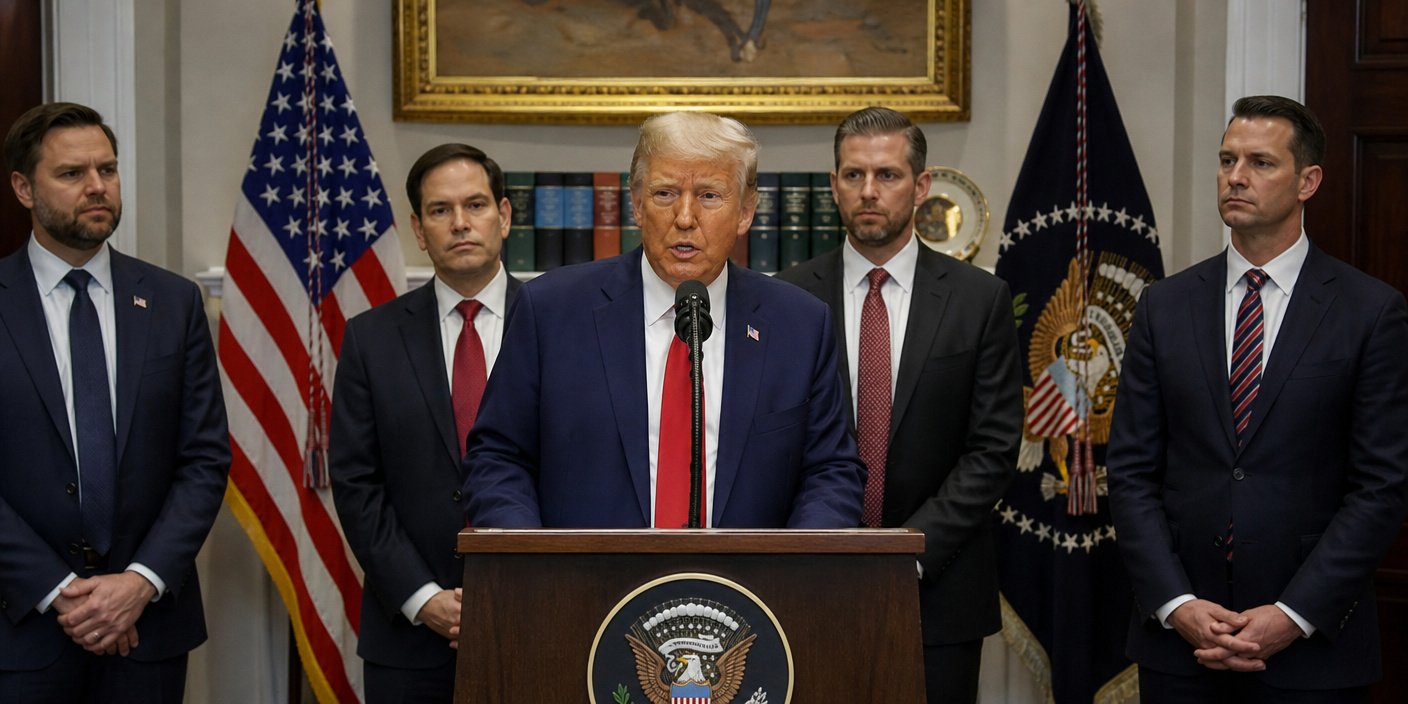
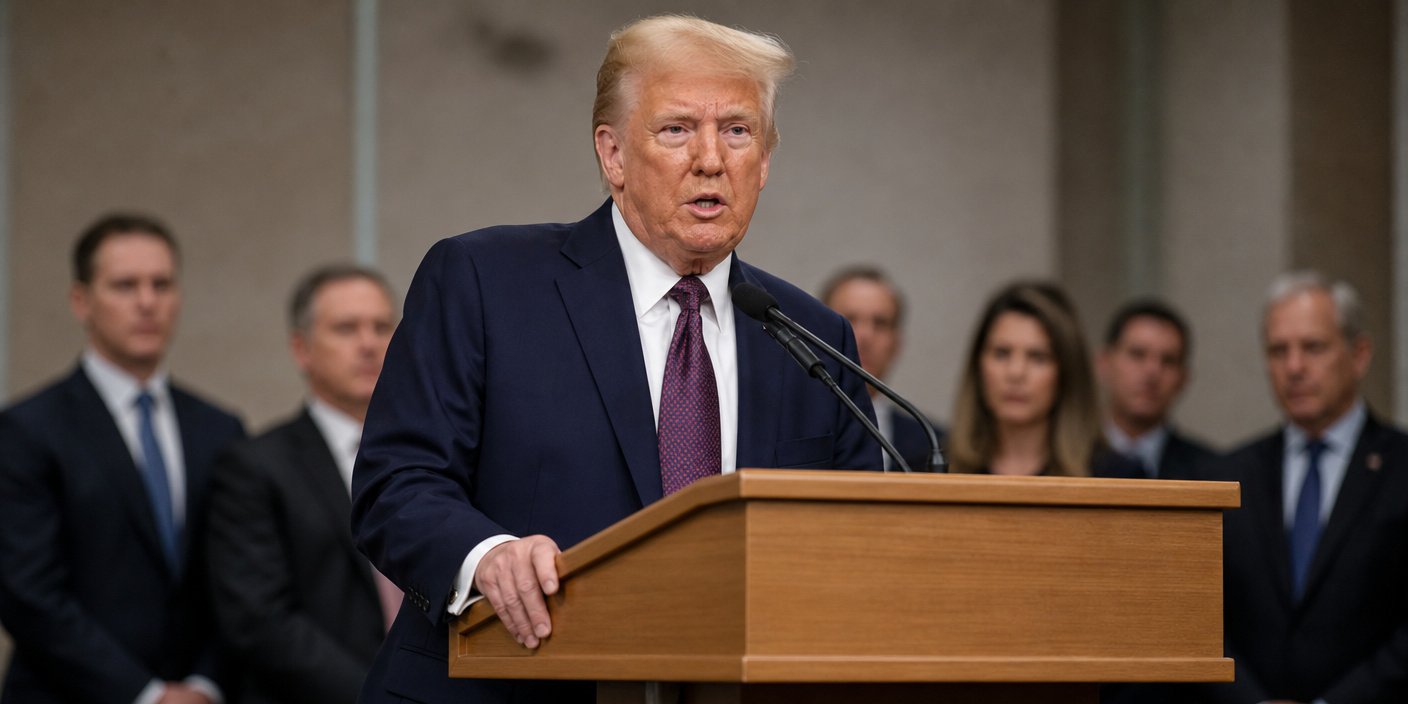
These election results and the shutdown’s resolution carry significant weight as the nation looks toward the 2026 midterm elections, and will likely continue to shape the narrative around future Economic Anxiety Elections. Democrats are energized by the victories, viewing them as a strong repudiation of President Trump’s agenda and a mandate for their economic policies. Conversely, Republicans, while attempting to downplay the significance of off-year elections, acknowledged the negative impact of the shutdown on their party’s performance. President Trump himself attributed some Republican losses to the prolonged government stalemate. However, the immediate political landscape remains complex. While the government has reopened, key issues, such as the extension of Affordable Care Act (ACA) health insurance tax credits, remain unresolved, with Senate Democrats securing a promise for a vote by mid-December. The debate over economic policy, healthcare, and government accountability is set to continue shaping American Politics in the months and years ahead, with economic anxiety likely remaining a potent force.
The conclusion of the shutdown and the Democratic electoral wins mark a pivotal moment, highlighting a public appetite for economic relief and effective governance. The year-end of 2025 has set a dynamic stage for upcoming political contests, with voter sentiment firmly focused on the nation’s economic health and the performance of its leaders. This news cycle underscores the interconnectedness of policy, public mood, and electoral outcomes in the ongoing American political narrative, particularly in the context of Economic Anxiety Elections.