The Trump administration faces a critical Monday deadline, November 3, 2025, to inform federal judges whether it will comply with court orders demanding the continuation of the Supplemental Nutrition Assistance Program (SNAP) amidst a deepening government shutdown. The stakes are immense, with millions of Americans reliant on the nation’s largest food aid program facing the prospect of interrupted benefits and a potential SNAP funding cutoff.
Legal Intervention Halts Proposed SNAP Cutoff and Addresses the SNAP Funding Deadline
On Friday, October 31, 2025, two federal judges issued simultaneous rulings, one in Rhode Island and another in Massachusetts, ordering the U.S. Department of Agriculture (USDA) to continue funding SNAP. The Trump administration had planned to halt payments to the program, citing a lack of funds due to the ongoing federal government shutdown, which began on October 1st. The USDA had previously stated it could not tap into its approximately $5 billion contingency fund for regular SNAP benefits, a move contested by state officials and advocacy groups as part of the looming SNAP funding crisis.



The judges, however, ruled that the administration must use existing contingency funds to ensure benefits continue to flow, at least partially. The Boston judge specifically gave the administration until Monday, November 3rd, to declare its intentions on whether to use these emergency reserves for November benefits, directly addressing the urgent SNAP funding deadline. The USDA’s previous plans indicated that without federal appropriations, SNAP payments would cease on November 1st, marking a potential first-ever interruption in the program’s six-decade history, a scenario that would exacerbate the food aid program interruption.
Millions at Risk: The National Impact of SNAP and the SNAP Funding Deadline
SNAP, commonly known as food stamps, is a vital safety net serving approximately 1 in 8 Americans each month, totaling around 42 million individuals. The program costs the national government about $8 billion monthly and is crucial for vulnerable populations, including families with children, seniors, and individuals with disabilities. Advocates warn that a suspension of benefits would force recipients into making impossible choices between food, housing, and other essential bills, potentially leading to widespread food insecurity. In 2025, eligibility for a family of four typically required a net income not exceeding $32,000 annually, a standard threatened by the looming SNAP funding deadline.
The Government Shutdown’s Shadow and the SNAP Funding Deadline
The current crisis stems from a political stalemate in Washington D.C. over government funding. The USDA’s decision to potentially cut off SNAP benefits amplified the impact of the shutdown, affecting a broad segment of the U.S. population. While the government shutdown food stamps issue began on October 1st, the USDA notified states in late October that November benefits would be halted if no resolution was reached by October 27th, highlighting the importance of meeting the SNAP funding deadline.
Administration’s Stance and Judicial Scrutiny Regarding the SNAP Funding Deadline
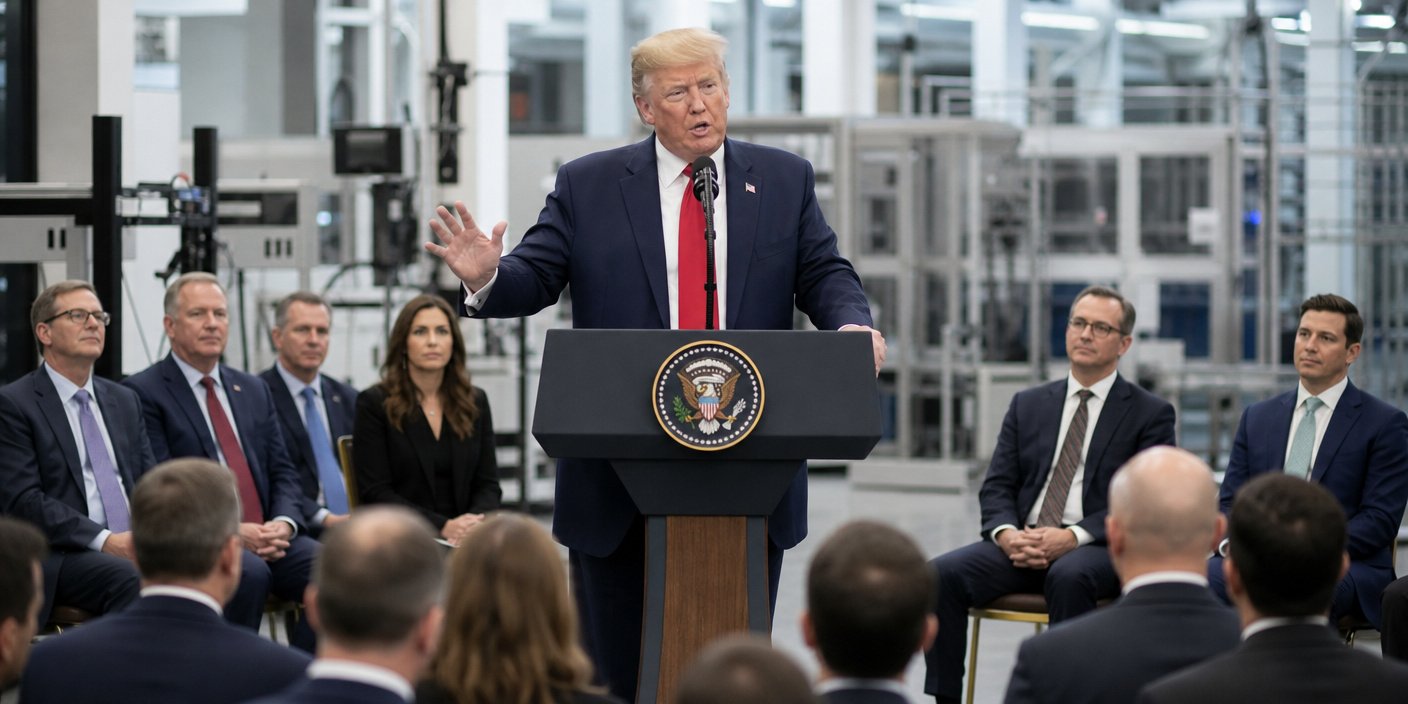
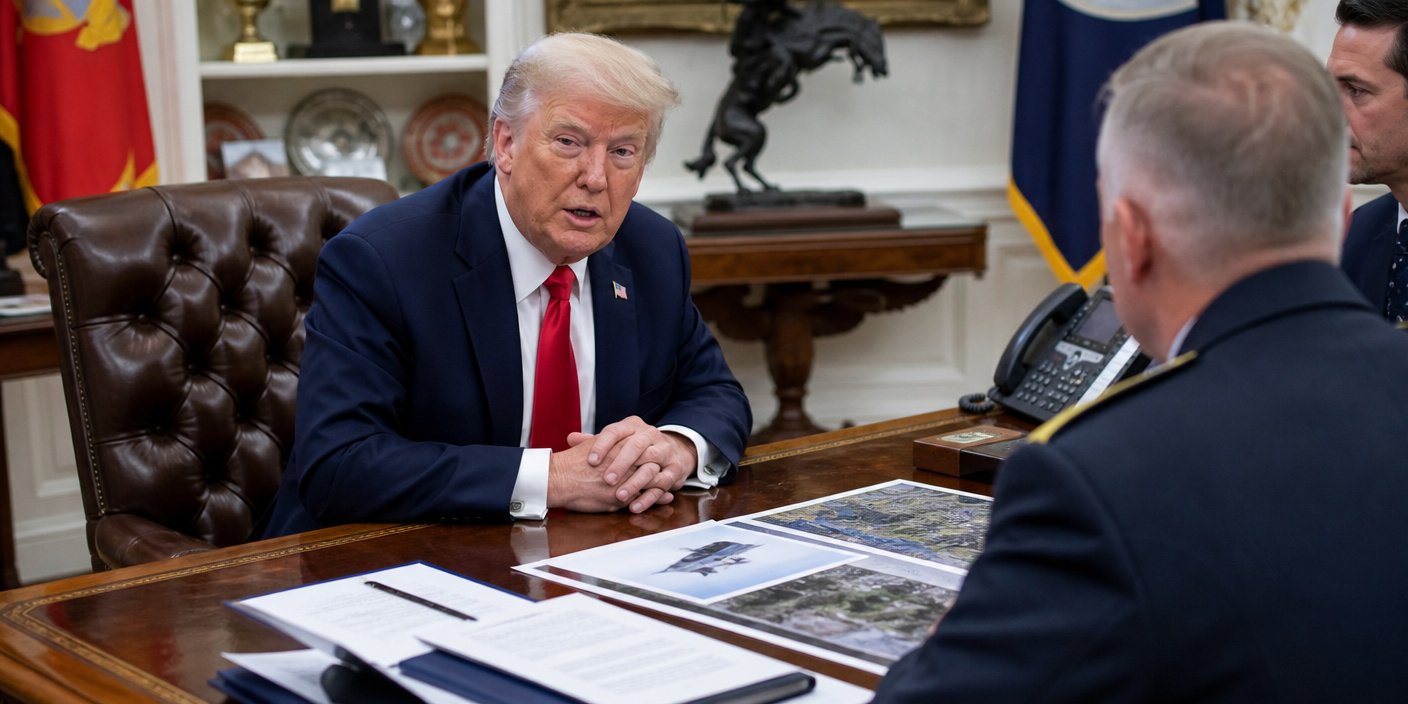
President Donald Trump took to social media to express concerns about the legal authority to disburse funds, instructing government lawyers to seek court clarification on how to legally fund SNAP. The Trump administration’s legal arguments, as presented in court, suggested a lack of legal authority and insufficient funds to cover full November payments, even with USDA contingency funds. However, federal judges have deemed the suspension of benefits likely unlawful, emphasizing the congressional intent for SNAP to continue operating during funding lapses and stressing the need to meet the SNAP funding deadline.
Uncertainty Lingers Despite Rulings on the SNAP Funding Deadline
Despite the court orders, the immediate disbursement of benefits remains uncertain, particularly concerning the SNAP funding deadline. States and their vendors require several days to process and load funds onto SNAP EBT cards. This logistical challenge means that even with the judicial intervention, some beneficiaries may still experience delays in accessing their food assistance. In response to this potential gap, several states, including Texas and Virginia, had prepared or begun implementing state-funded initiatives to provide emergency nutrition assistance, a necessary fallback should the SNAP funding deadline not be met favorably.
As the Monday deadline arrives, all eyes are on the Trump administration and the USDA, who must now decide how to respond to the federal court orders concerning the SNAP funding deadline. The outcome will determine whether millions of Americans will have access to essential food assistance in the coming weeks, a critical issue for national well-being. This news underscores the profound impact of government shutdowns on the nation’s most vulnerable citizens and the imperative to adhere to the SNAP funding deadline.