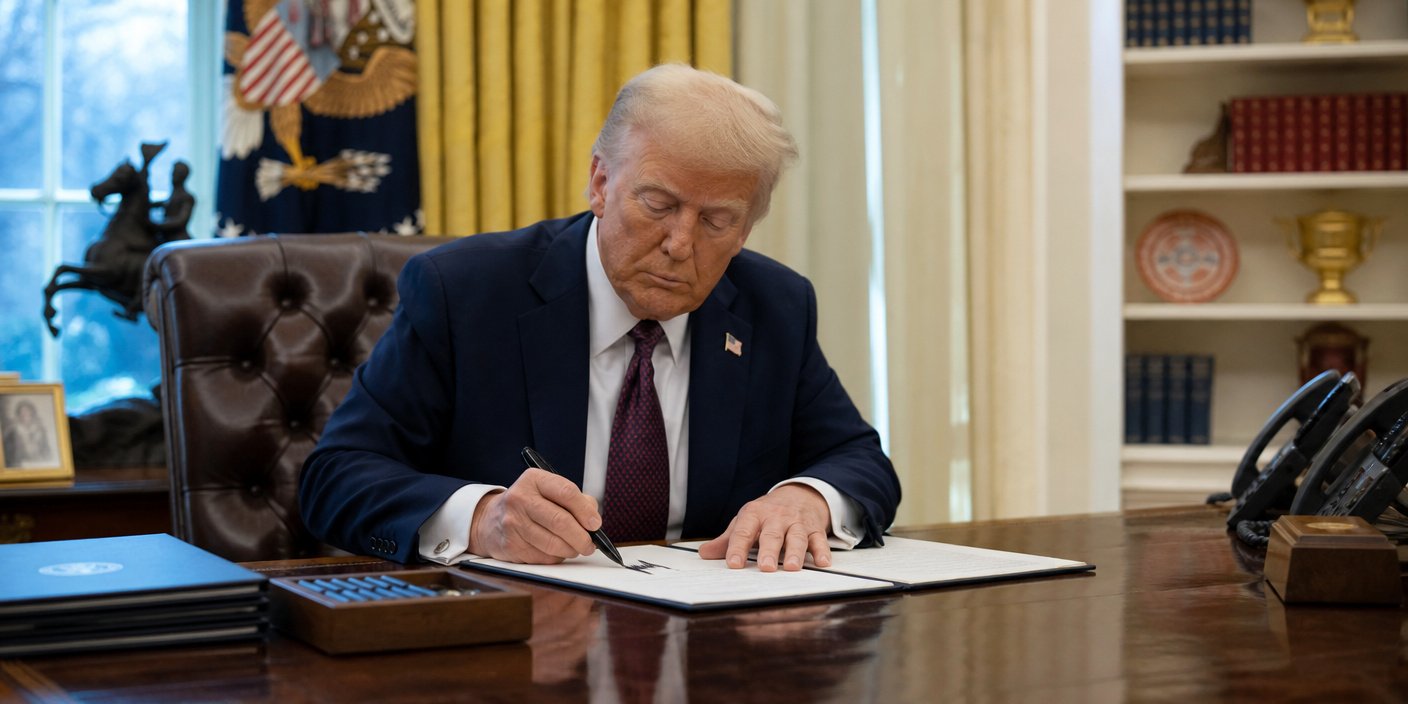
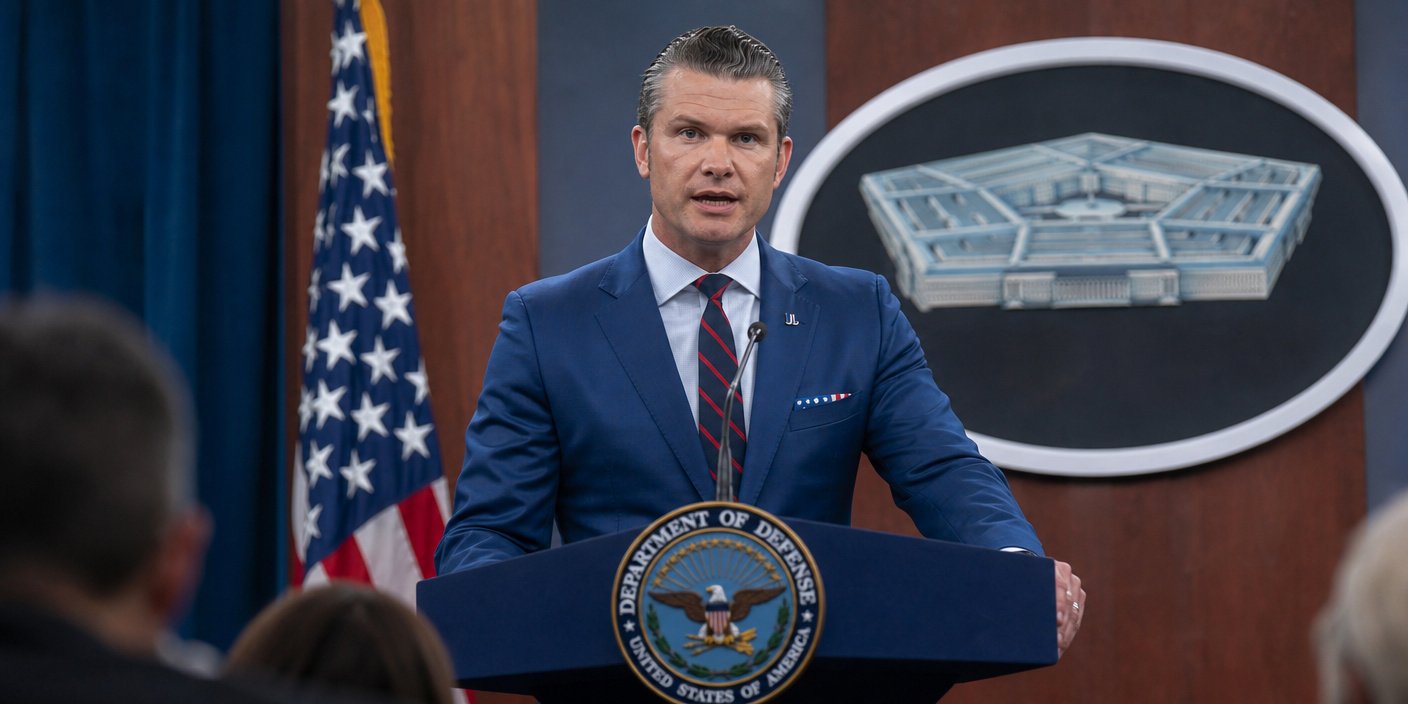
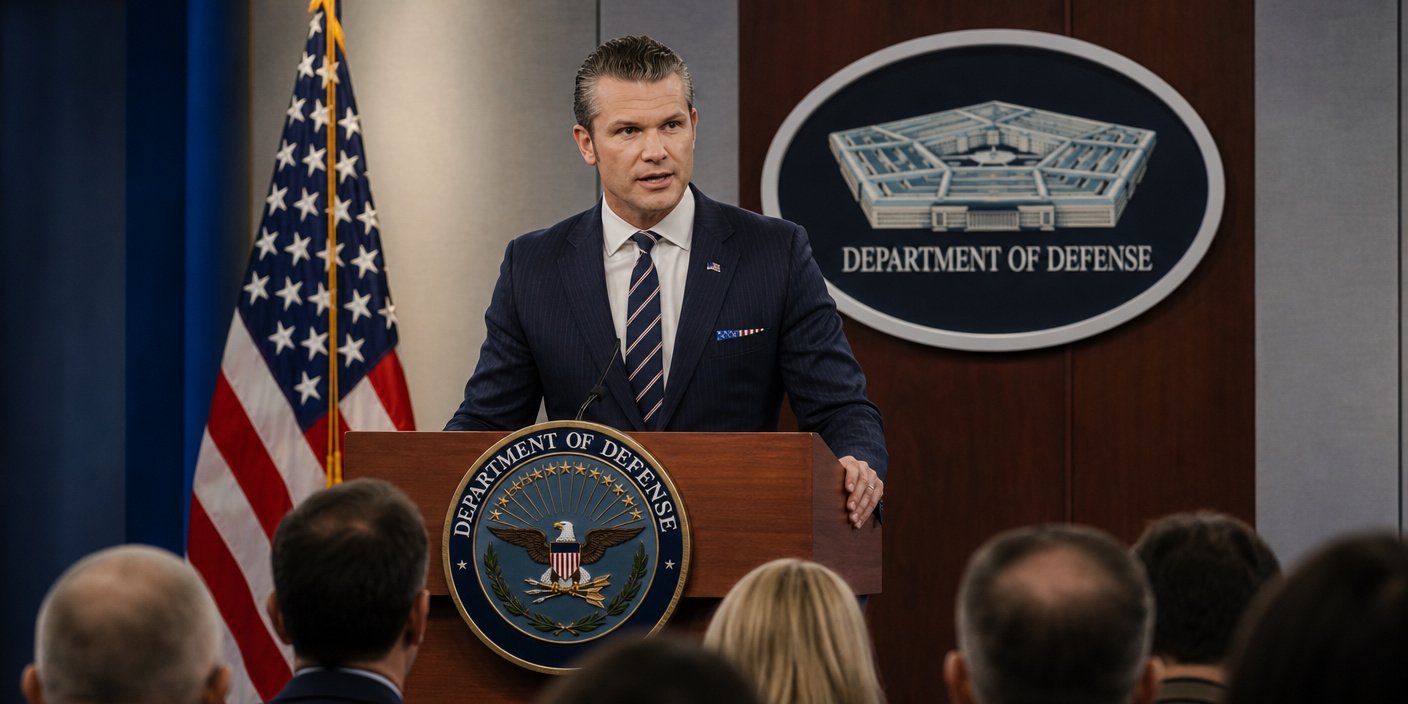
WASHINGTON D.C. – In a significant display of bipartisan dissent against President Donald Trump’s trade policies, the United States Senate voted to reject his administration’s Trump Global Tariffs on more than 100 countries. The resolution, passed by a 51-47 margin, aims to terminate the national emergency declaration that President Trump used to impose these broad global import duties.
Senate Delivers Rebuke to Trump’s Trade Policy and Trump Global Tariffs
The Senate approved Senate Joint Resolution 88, a measure designed to nullify the “reciprocal” tariffs that the President had implemented. This action marks the third time in the week that the upper chamber has taken a stand against the administration’s trade tactics. The vote underscores a growing unease among some lawmakers regarding the President’s unilateral use of tariffs, which he has argued are necessary tools to protect American industries and correct trade imbalances, a key aspect of his approach to Senate trade policy.
Bipartisan Dissent Emerges Against Trump Global Tariffs
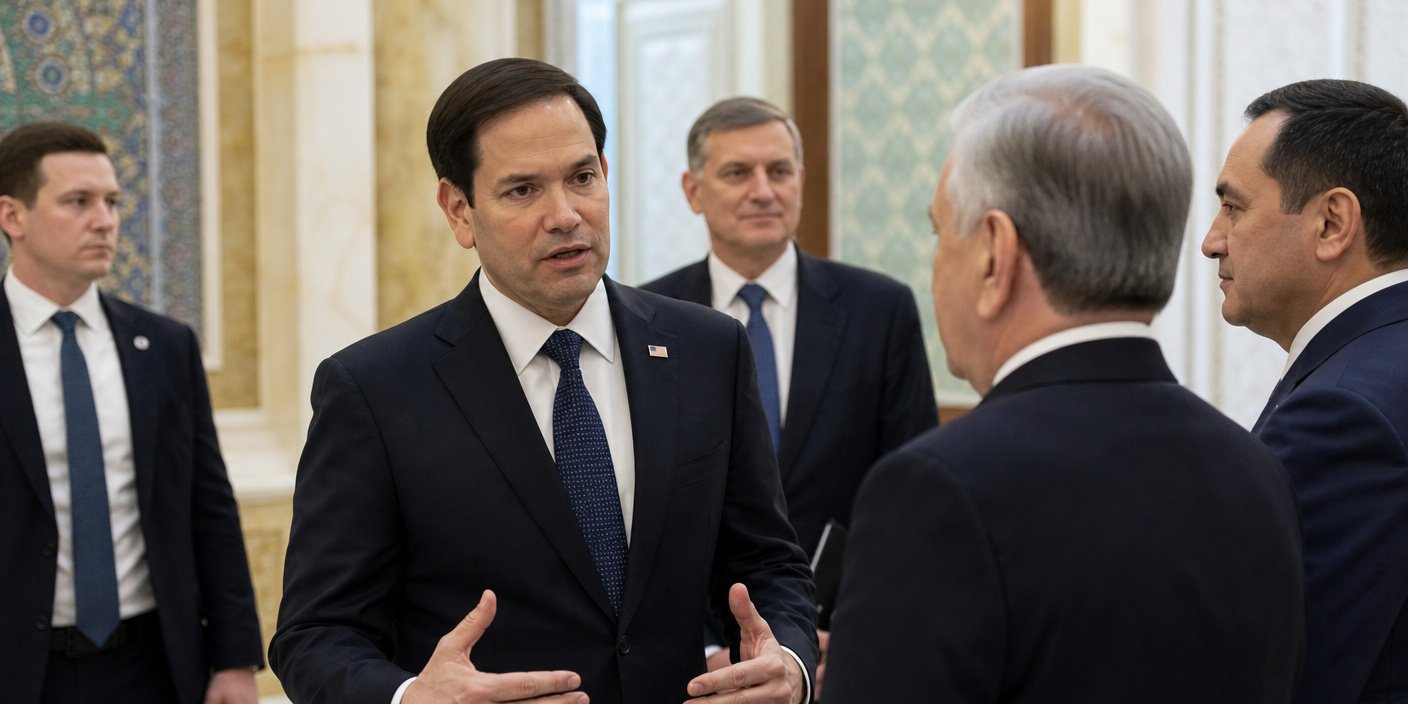
A key feature of the vote was the alignment of four Republican senators with all the chamber’s Democrats. Senators Susan Collins of Maine, Mitch McConnell of Kentucky, Lisa Murkowski of Alaska, and Rand Paul of Kentucky broke ranks with their party to support the resolution. This followed similar bipartisan votes earlier in the week that rejected tariffs imposed on goods from Canada and Brazil. The Senate’s willingness to challenge the President’s trade agenda, even symbolically, signals a notable divergence from the President’s approach to implementing Trump Global Tariffs. Critics, including Senator Ron Wyden of Oregon, have argued that these tariffs are directly contributing to rising consumer costs, stating that “American families are being squeezed by prices going up and up and up.” Senator Tim Kaine of Virginia suggested that such bipartisan opposition could influence the President’s decision-making. While some Republican senators, like Mitch McConnell, have acknowledged that tariffs can increase costs for both building and buying in the USA, they have largely aligned with the President on trade matters until recently, with the bipartisan tariff dissent now a notable factor.
Context and Rationale for Trump Global Tariffs
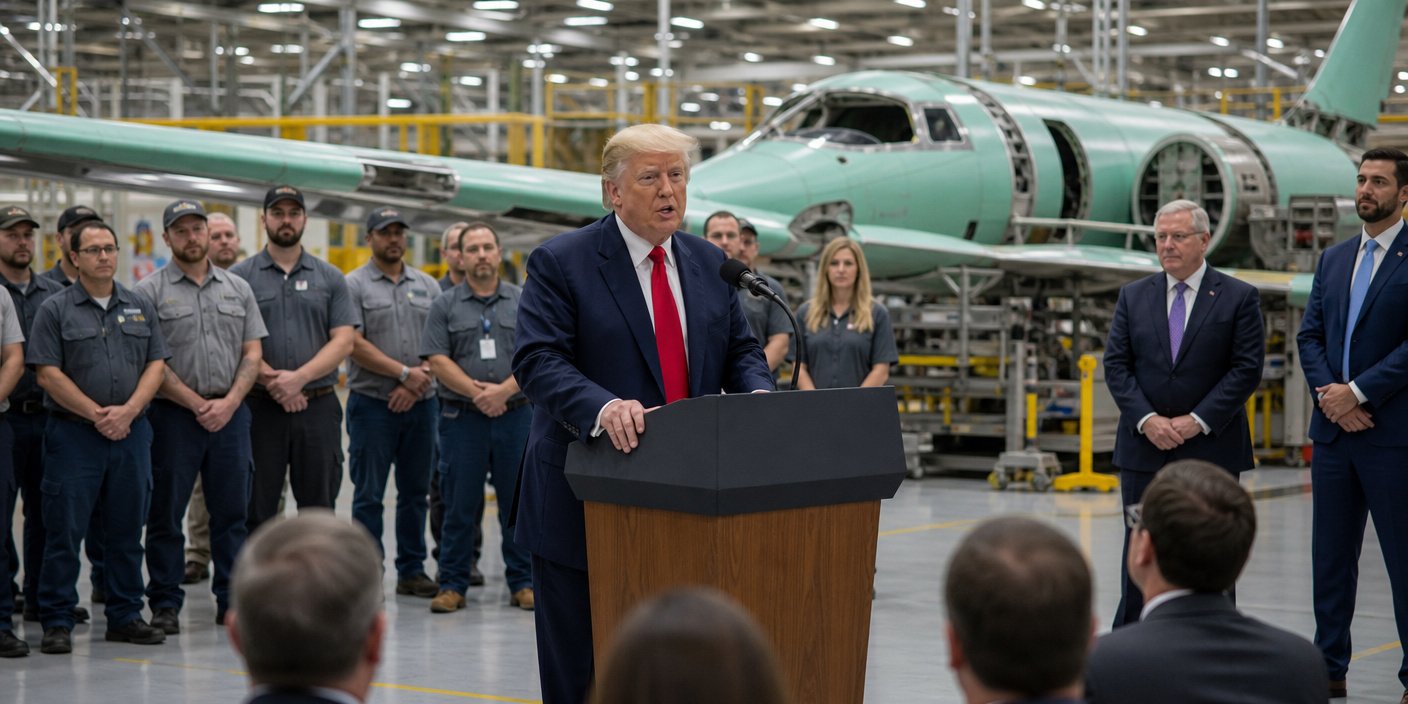
President Trump initially declared a national emergency in April to justify imposing a baseline 10% tariff on imports from all countries, later adding higher “reciprocal” tariffs aimed at nations with significant trade deficits with the United States. He posited these measures were crucial for negotiating better trade deals and safeguarding American jobs and industries, directly influencing his stance on Trump Global Tariffs. However, these actions have been met with criticism from various sectors, including American businesses and international allies, who argue they disrupt global supply chains and inflate prices for consumers and businesses alike. Economists have warned of the potential for retaliatory tariffs and broader economic instability, adding to the debate surrounding the Trump Global Tariffs.
Symbolic Victory, Limited Impact on Trump Global Tariffs
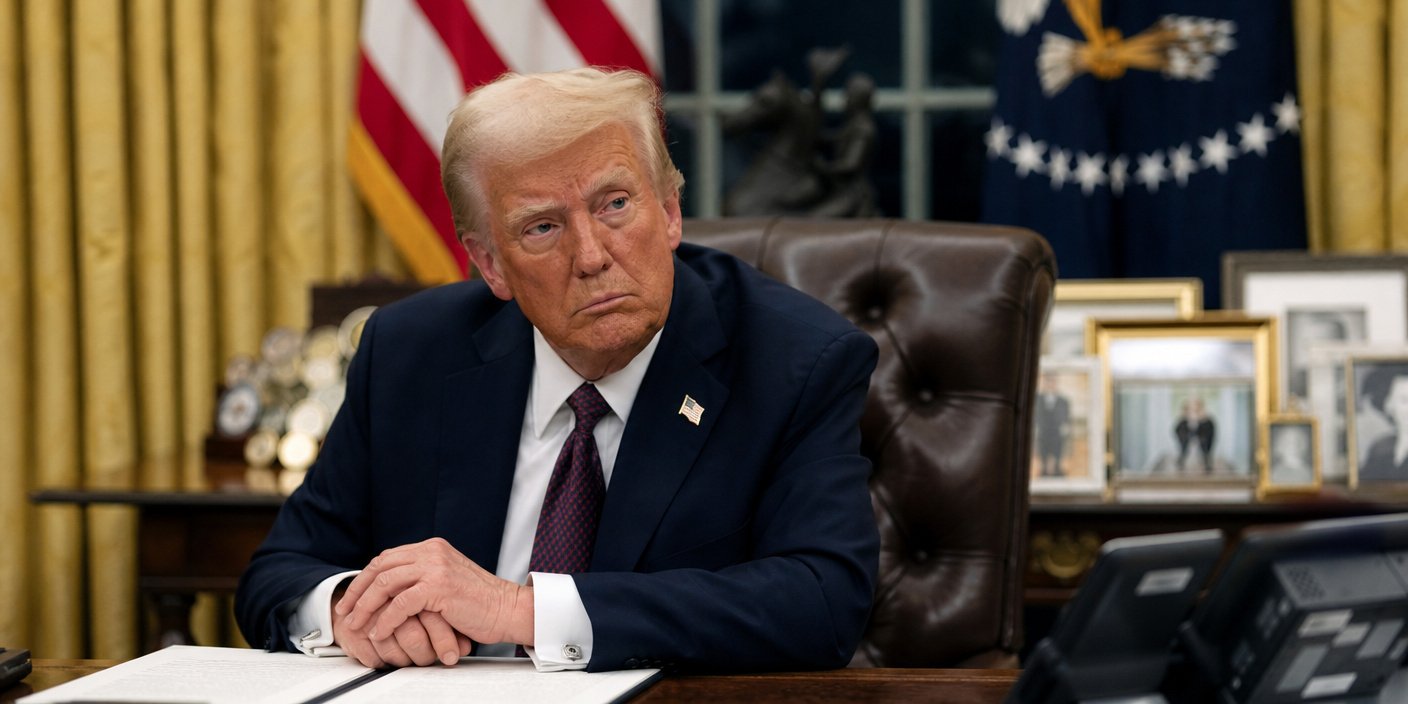
Despite the Senate’s decisive vote, the resolution’s impact is largely symbolic. The House of Representatives, controlled by Republicans, has previously established rules to block such resolutions from reaching a floor vote. Furthermore, President Trump has indicated he would likely veto any measure that sought to overturn his tariffs. This legislative maneuver, therefore, serves more as a messaging exercise, putting senators on record regarding their stance on the President’s trade strategy concerning Trump Global Tariffs, rather than an immediate legislative victory that would dismantle the tariffs. The Trump tariffs vote, therefore, carries significant symbolic weight.
Conclusion on Trump Global Tariffs
The US Senate’s vote to reject President Trump’s global tariffs represents a significant, albeit symbolic, challenge to his trade policy. The bipartisan nature of the vote highlights growing concerns within Congress about the economic consequences of aggressive tariff imposition and the extent of presidential authority in trade matters, particularly regarding the use of national emergency tariffs. While the immediate effect on existing tariffs remains limited due to the political landscape, this national news reflects a discernible shift in congressional sentiment towards the President’s protectionist agenda and the widespread implications of the Trump Global Tariffs.