In a significant escalation of rhetoric, U.S. President Donald Trump declared on Tuesday that Hamas must disarm or face forceful disarmament by American and allied forces, warning the action could be swift and violent. The assertion comes as a fragile ceasefire in Gaza, brokered under Trump’s diplomatic initiative, faces mounting pressure from stalled negotiations over the return of deceased Israeli hostages.
Speaking to reporters at the White House following a tour of the Middle East, Trump stated, “They said they were going to disarm, and if they don’t disarm, we will disarm them.” He elaborated that he had communicated this message to Hamas through intermediaries, claiming the group had agreed to the terms. “They know I’m not playing games,” Trump added, suggesting the disarmament could happen “quickly and perhaps violently.”.
This stern ultimatum marks a critical juncture in the implementation of Trump’s extensive 20-point peace plan for Gaza, which aims to transition from a ceasefire to long-term stability. While the initial phase saw the release of all 20 living Israeli hostages in exchange for nearly 2,000 Palestinian prisoners, the subsequent steps have encountered significant hurdles, particularly concerning the return of the remains of deceased hostages. As of Tuesday, Hamas had handed over four more bodies of Israeli hostages, bringing the total returned to eight. However, this falls short of the 28 deceased individuals Hamas is believed to hold, and families of the captives have expressed anguish and frustration over the delays and perceived lack of transparency from Hamas.
A Contentious Exchange of Bodies



Families of the deceased hostages have urged international mediators to “leave no stone unturned” to ensure the full return of their loved ones’ remains, which are a key component of the current ceasefire agreement. Israeli officials have expressed anger over what they deem a breach of the deal, with some threatening to curtail humanitarian aid into Gaza if Hamas fails to expedite the handover of all bodies. Reports indicate that some of the returned bodies showed signs of torture, adding a grim dimension to the already fraught exchange. The ongoing delays and Hamas’s alleged misrepresentation of the number of bodies have fueled skepticism about the group’s commitment to fulfilling its obligations, even as Trump has proclaimed Phase Two of his deal “begins right now”.
Trump’s Vision for a ‘New Middle East’
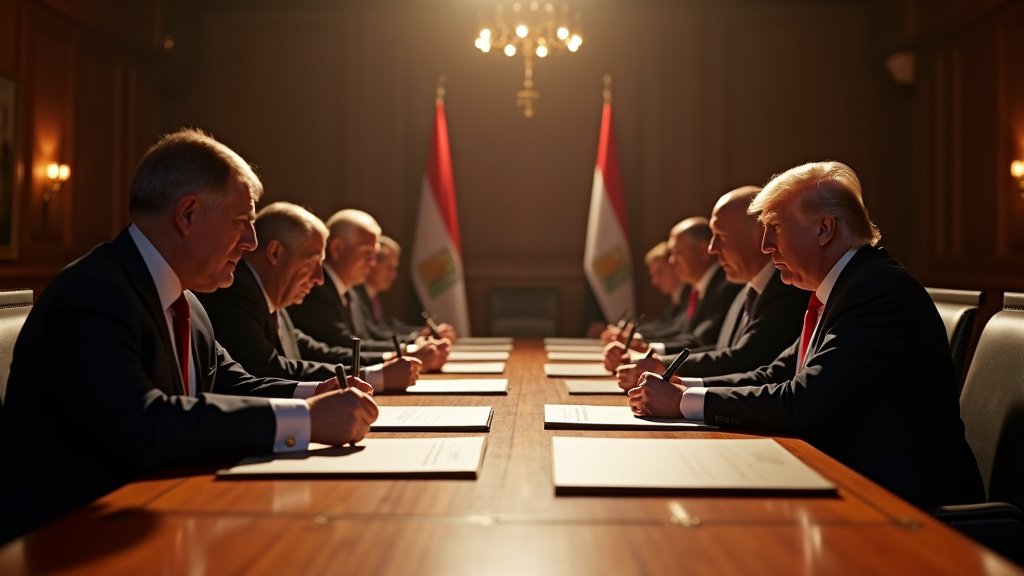
Trump’s declaration on Hamas’s disarmament comes amidst his broader pronouncements of ushering in a “historic dawn of a new Middle East.” During his recent visit, he celebrated the ceasefire as an end to two years of devastating war and signed a declaration with regional leaders aimed at cementing peace and stability. He lauded the Abraham Accords, his administration’s prior achievement of normalizing relations between Israel and several Arab nations, and expressed optimism for their expansion. However, critics and analysts note that many fundamental challenges remain unresolved, including the status of the West Bank, the path to Palestinian statehood, and the deep-seated animosities that have long fueled conflict in the region.
Hamas’s Defiance and Reassertion of Control
Hamas, designated as a terrorist organization by several countries, has historically rejected disarmament, viewing it as an internal Palestinian matter and “out of the question”. Recent reports suggest that Hamas fighters are actively reasserting their control within Gaza, deploying forces on streets and carrying out public executions of individuals accused of collaborating with Israeli forces. This display of ongoing control and military capability directly challenges Trump’s demand for disarmament and raises serious questions about the effectiveness and sustainability of the current ceasefire agreement.
The Unresolved Core: Disarmament
Disarmament of Hamas has been a central tenet of Trump’s comprehensive 20-point plan. However, the path to achieving this has been fraught with difficulty. While Trump’s team, including negotiators like Steve Witkoff and Jared Kushner, played a key role in brokering the initial deal, the specifics of Hamas’s disarmament remain highly contentious. Earlier reports indicated that US negotiators might be willing to defer the demand for immediate disarmament, suggesting it could be addressed at a later stage. Trump’s recent forceful statement appears to mark a renewed, more aggressive approach, potentially signaling a willingness to use American power to enforce compliance. The American administration, however, has not detailed who would be involved in such an operation or whether it would include U.S. forces.
A Delicate Balance and Uncertain Future
The situation in Gaza remains a complex and delicate balance. The joy and relief following the release of living hostages are tempered by the unresolved issues surrounding the deceased, the continued armed presence of Hamas, and the geopolitical pressures shaping the region. Trump’s assertive stance on disarming Hamas underscores his administration’s commitment to reshaping the Middle East, but the practical implementation of such a demand, given Hamas’s entrenched position and ongoing internal security operations, presents a formidable challenge. The unfolding story of this fragile peace hinges on whether Hamas will comply with the disarmament ultimatum or if the U.S. and its allies will pursue a more forceful path, potentially jeopardizing the hard-won ceasefire and the aspirations for a “new Middle East.”