The United States federal government has entered a shutdown, marking a significant political crisis as congressional Republicans and Democrats remain deadlocked over appropriations for the 2026 fiscal year. The impasse, which began on October 1, 2025, has halted numerous government operations and threatens to extend for weeks, with analysts warning of escalating economic and societal consequences. This shutdown is fueled by deep partisan divisions, particularly concerning federal spending levels, foreign aid, and crucial healthcare subsidies.
Congressional Gridlock Over Spending and Subsidies
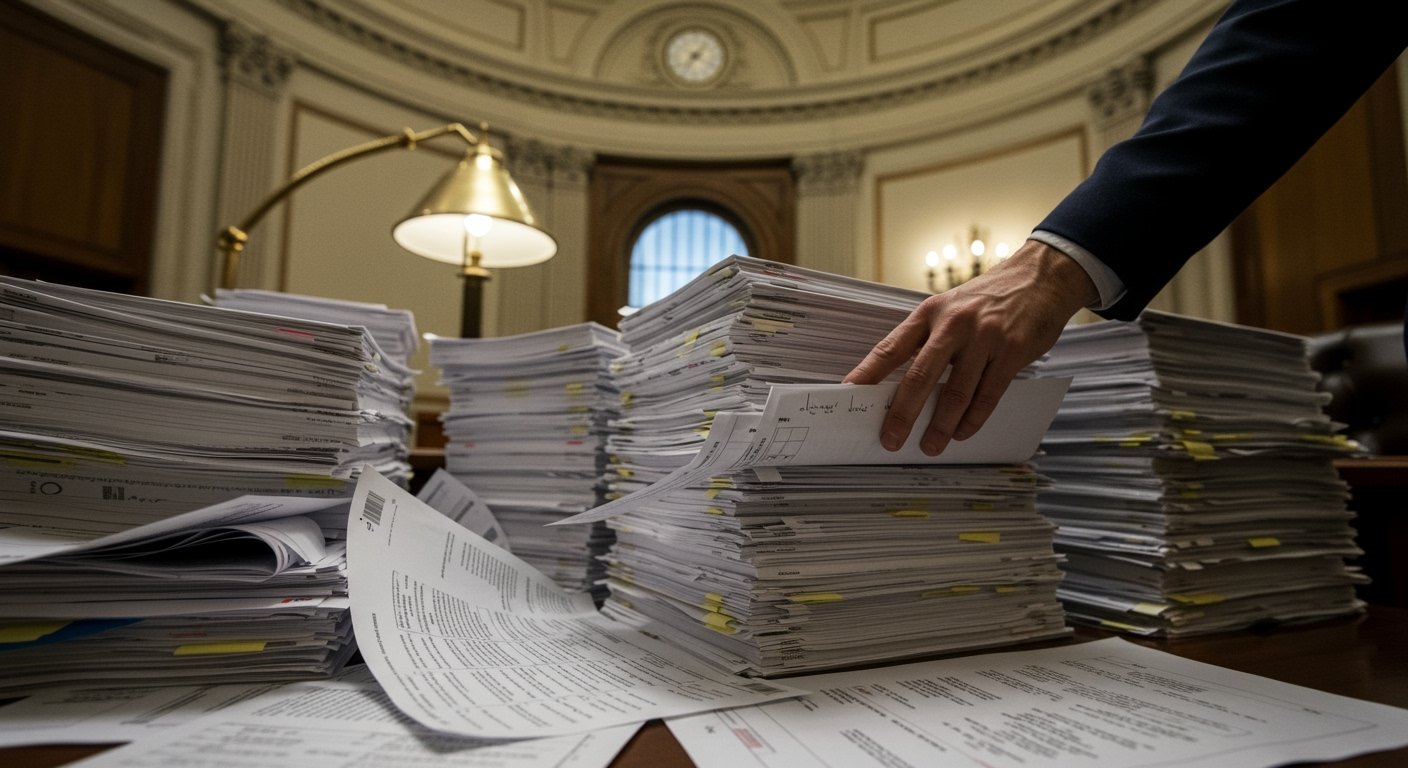

The inability of lawmakers to pass essential appropriations legislation has plunged the nation into a funding lapse. Central to the dispute are disagreements over extending Affordable Care Act (ACA) premium tax credits, which are set to expire and could dramatically increase healthcare costs for millions of American families. Democrats are pushing for these subsidies to be extended and for reversals of recent Medicaid cuts, framing them as vital for coverage protection. Conversely, Republicans advocate for a “clean” funding bill, separating healthcare policy debates from the immediate need to fund government operations, and have sought to leverage the situation to push their own fiscal priorities.
Trump’s Strategic Leverage and Executive Actions
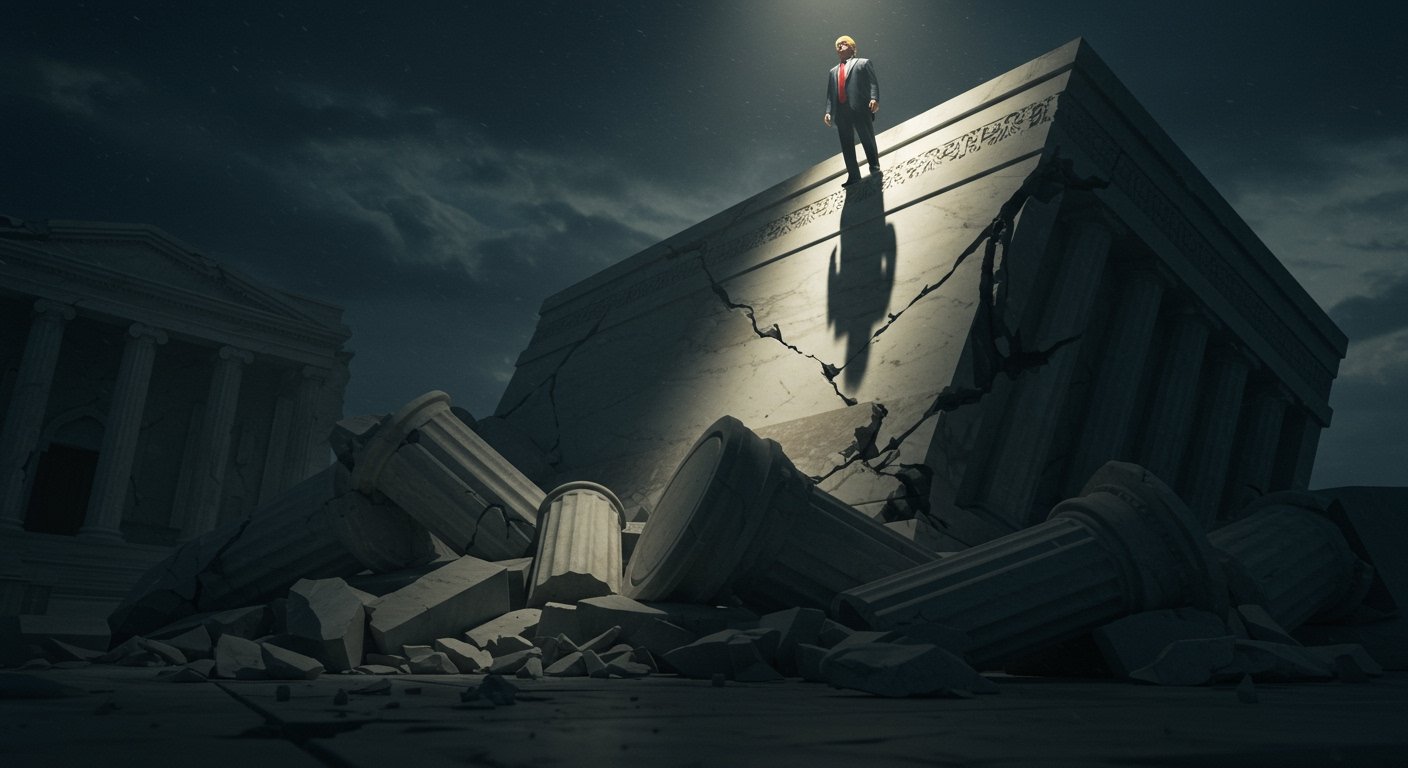
President Donald Trump has actively embraced the shutdown, viewing it as an “unprecedented opportunity” to advance his agenda of reducing the federal government’s size and scope. His administration has signaled a strategy of inflicting “maximum pain” on Democrats by threatening mass layoffs of federal workers, rather than the usual furloughs, and by withholding billions of dollars in infrastructure funding, notably targeting projects in Democratic-led states. This approach aligns with broader goals outlined in initiatives like Project 2025, which aims to reshape the federal bureaucracy and expand presidential power. Budget Director Russ Vought has been instrumental in implementing these directives, leading to the freezing of funds for projects in New York and for climate initiatives in various states, framed by the administration as targeting “Democrat Agencies” or projects with “unconstitutional DEI principles.”
Economic Ripples and Federal Reserve Uncertainty
The ongoing shutdown poses tangible risks to the American economy. Economists estimate that each week without government funding shaves approximately 0.1% to 0.2% off annualized GDP growth due to reduced government activity and sentiment effects. A significant concern is the disruption to the release of key economic data, such as the jobs report and Consumer Price Index (CPI), which the Federal Reserve relies upon for its monetary policy decisions. This data blackout could complicate the Fed’s considerations for potential interest rate adjustments, leaving policymakers operating with less clarity.
Impact on Services and Critical Healthcare Programs
The shutdown has immediate consequences for federal services, with hundreds of thousands of federal employees furloughed or working without pay, and roughly $400 million in daily compensation lost. Non-essential government operations have ceased, leading to disruptions in services ranging from national park maintenance to the cancellation of immigration court hearings. In the healthcare sector, while core programs like Medicare and Medicaid continue as mandatory services, discretionary-funded programs and specific policies face interruptions. Crucially, pandemic-era telehealth flexibilities for Medicare beneficiaries have expired, impacting access to care, particularly for those in rural areas or with mobility issues. The debate over ACA subsidies remains a pivotal point, with estimates suggesting millions could face significantly higher premiums or lose coverage if these provisions are not extended.
Outlook and Market Reactions
While analysts predict a potentially prolonged standoff, the duration remains uncertain. Prediction markets have offered varied outlooks, from a few days to over a month. Historically, financial markets have often weathered government shutdowns with minimal long-term impact, with the S&P 500 showing resilience and even growth following past impasses. However, the current political dynamics and the White House’s aggressive stance on layoffs and spending cuts add layers of uncertainty, suggesting that this shutdown could carry more significant consequences. The American public’s perception of blame, traditionally divided, could also shift based on how the crisis unfolds and who is seen as obstructing a resolution.
As the shutdown continues, the nation faces a critical period where political maneuvering directly impacts government functions, the economy, and the well-being of its citizens, underscoring the profound challenges in American Politics.