The American entertainment landscape was plunged into a fiery debate over free speech this week, following the indefinite suspension of ABC’s “Jimmy Kimmel Live!”. The decision by the network, influenced by pressure from affiliate station groups and the Federal Communications Commission (FCC), came after host Jimmy Kimmel made critical remarks about the conservative reaction to the fatal shooting of activist Charlie Kirk during his September 14th monologue. In an unprecedented display of solidarity, fellow late-night hosts Jon Stewart, Stephen Colbert, Jimmy Fallon, and Seth Meyers responded not with silence, but with sharp wit, satire, and unwavering support, using their platforms to address the controversial news.
The Spark: Comments on Charlie Kirk’s Death

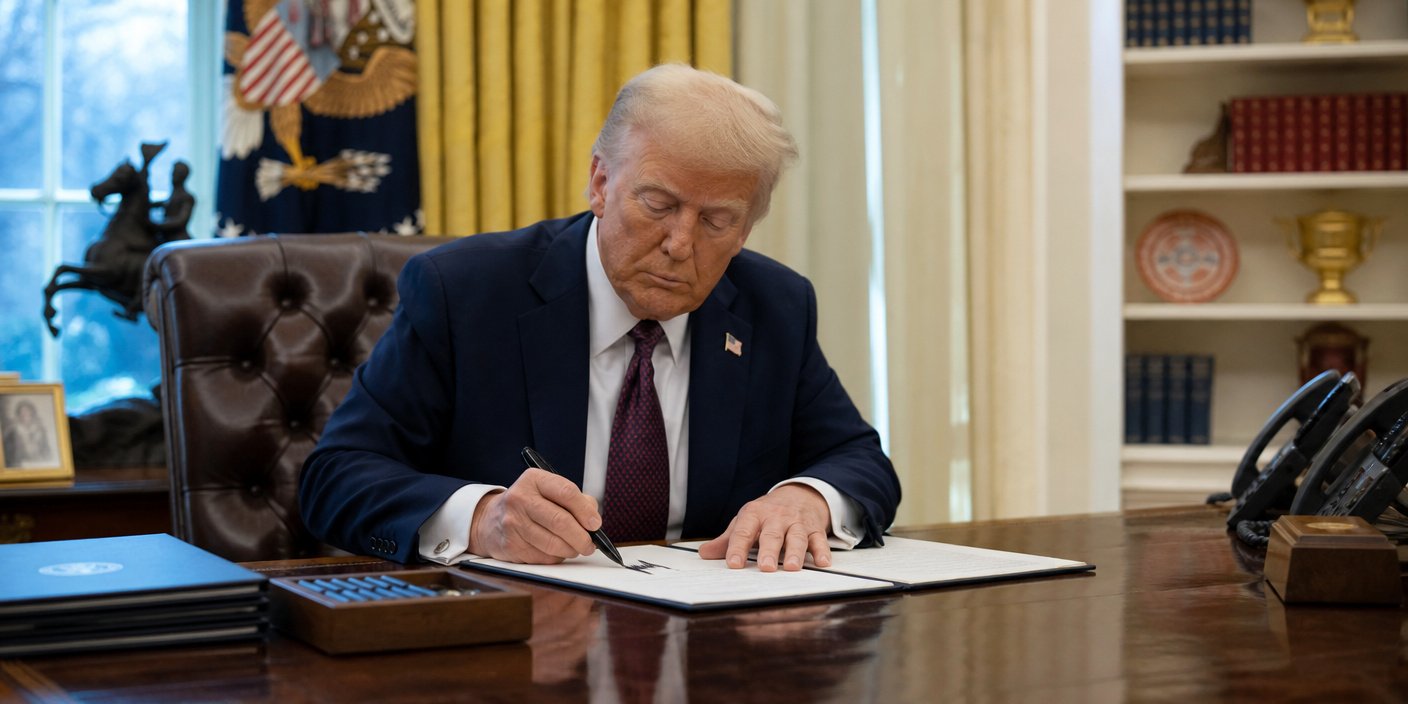
The suspension was triggered by comments made by Kimmel during his Monday night monologue, where he accused President Donald Trump and his “MAGA gang” allies of attempting to “score political points” from Charlie Kirk’s assassination and “working very hard to capitalize on the murder.” Kimmel also drew criticism for mocking Trump’s response to the event, a clip of which showed the president discussing White House renovations when asked about his personal well-being. Kimmel quipped that Trump’s reaction was “not how an adult grieves the murder of someone he called a friend. This is how a four-year-old mourns a goldfish,” referencing a previous comment from Trump. While authorities stated the suspected gunman held a “leftist ideology,” Kimmel’s remarks ignited a backlash from conservative circles, including President Trump himself, who celebrated the suspension.
Network Pressure and FCC Influence
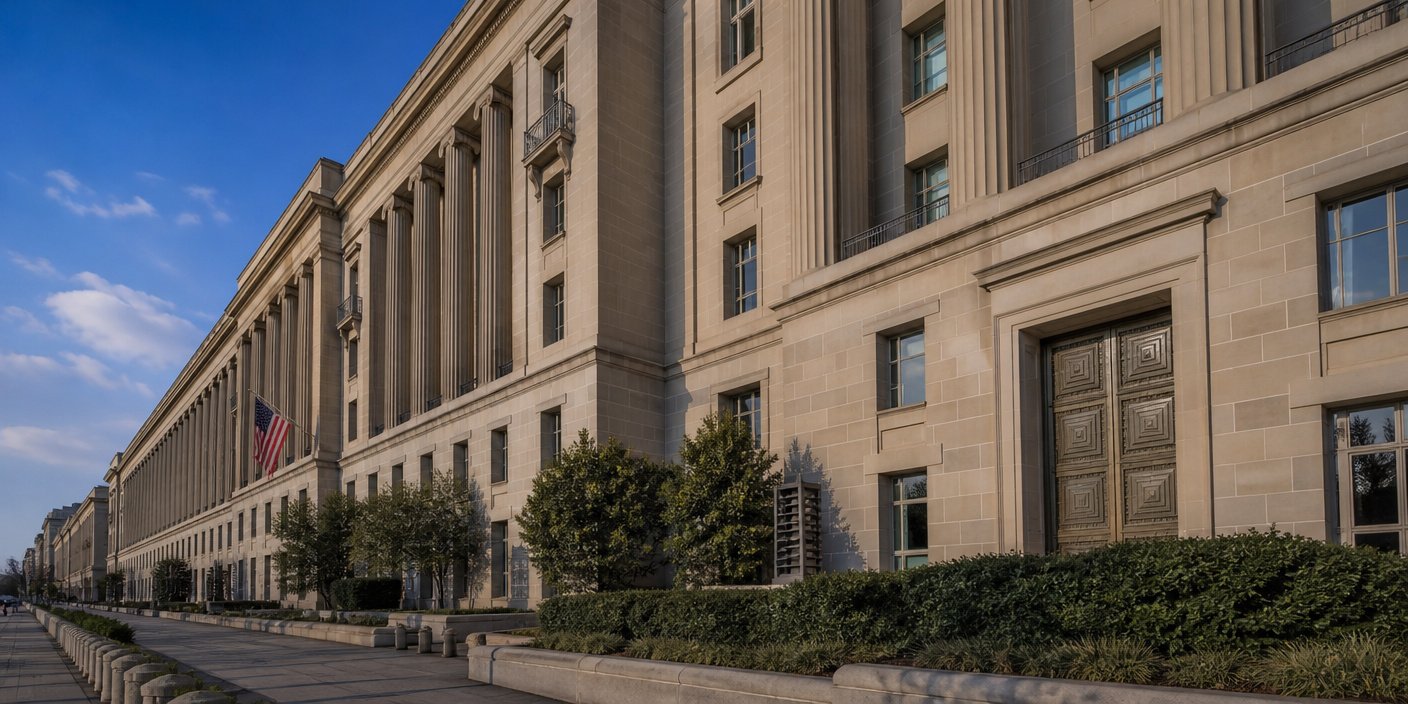
ABC’s decision to pull Kimmel’s show indefinitely followed swift announcements from major station owners Nexstar Media Group and Sinclair Broadcast Group, which operate a significant number of ABC affiliates. Both companies cited Kimmel’s “offensive and insensitive” comments regarding Charlie Kirk’s death as reasons for preempting the show, with Nexstar stating it was “simply not in the public interest at the current time.” Adding to the pressure, FCC Chairman Brendan Carr publicly criticized Kimmel’s monologue, suggesting the comedian had engaged in “sickest conduct possible” and implying potential regulatory consequences for broadcasters airing such content. Carr’s actions, viewed by critics as government overreach, intensified concerns about censorship. The timing also raised questions, as Nexstar has a pending merger requiring FCC approval.
A Storm of Controversy: Free Speech Under Fire
The suspension sent shockwaves through Hollywood and Washington, igniting a fierce debate about the boundaries of free speech and political commentary in American television. Critics, including prominent Democratic politicians and media advocacy groups, decried the move as a capitulation to political pressure and a dangerous assault on First Amendment rights. They argued that the Trump administration was using its power to silence critics, particularly those in the entertainment industry who frequently lampoon the president. Protests erupted outside Disney and ABC studios, with demonstrators carrying signs condemning the suspension as “un-American” and “censorship.”
Late-Night Solidarity: Humor as a Weapon
In the face of the controversy, Jimmy Kimmel’s late-night colleagues stepped up to offer support, employing their signature blend of humor and pointed commentary. Jon Stewart, returning to host “The Daily Show,” adopted a satirical persona of an “administration-compliant” host, lavishing exaggerated praise on President Trump and mocking the idea of “government-approved” speech. Stephen Colbert, on “The Late Show,” took a more direct approach, condemning the suspension as “blatant censorship” and an “assault on freedom of speech,” while criticizing ABC’s executive leadership for capitulating to “political threats.” Jimmy Fallon on “The Tonight Show” expressed his hope for Kimmel’s swift return, calling him a “decent, funny, and loving guy,” while acknowledging the wider industry’s concerns about censorship. Seth Meyers similarly used sarcasm on “Late Night,” humorously praising Trump to highlight the absurdity of the situation.
An Uncertain Future for Commentary
The indefinite suspension of “Jimmy Kimmel Live!” has underscored the growing tension between political power, media corporations, and the role of satire in public discourse. While President Trump and his allies celebrated the decision, many in the entertainment industry and political sphere view it as a chilling precedent. The controversy has not only highlighted the challenges faced by hosts who engage in political commentary but also raised serious questions about the future of free expression in American television news and entertainment programming, leaving the industry and its audience awaiting further developments.