Skip to content
Trending
August 8, 2025Israel’s Security Cabinet Approves Gaza City Occupation Plan Amid Growing Global Recognition of Palestinian Statehood July 16, 2025Coast Guard Cocaine Seizures Surge Under Current Administration April 24, 2025Menendez Brothers Resentencing Hearing Delayed to January Amid Los Angeles District Attorney Transition November 10, 2025Senate Advances Funding Bill, Ending 40-Day Government Shutdown Amidst Healthcare Subsidy Dispute May 22, 2025House Republicans Pass Trump’s ‘One Big Beautiful Bill Act’ (H.R. 1) in Narrow Vote, Senate Showdown Looms November 3, 2025OPEC+ Pauses Output Hikes for Early 2026 Amid Glut Fears and Geopolitical Tensions August 20, 2025Foxconn’s AI Ascent: Shifting Gears from iPhone Production to Powering the Future of Artificial Intelligence March 22, 2025Tragedy Strikes New Mexico Car Show: Three Killed, Fifteen Wounded in Mass Shooting September 15, 2025Trump Declares National Emergency, Federalizes D.C. Amid ICE Cooperation Dispute and Crime Claims June 16, 2025Rheinmetall and INERATEC Forge Energy Partnership for Defense and Critical Infrastructure with Advanced E-Fuels
  • Home
  • Top Stories
  • National News
  • Health
  • Business
  • Tech & Innovation
  • Entertainment
  • Politics
  • Culture & Society
  • Crime & Justice
  • Editorial
  • Home
  • Top Stories
  • National News
  • Health
  • Business
  • Tech & Innovation
  • Entertainment
  • Politics
  • Culture & Society
  • Crime & Justice
  • Editorial
  • Blog
  • Forums
  • Shop
  • Contact
  National News  Trump Administration Takes Tariff Battle to Supreme Court, Citing National Security and Economic Stability
National News

Trump Administration Takes Tariff Battle to Supreme Court, Citing National Security and Economic Stability

Carlos IbanezCarlos Ibanez—September 4, 20250
FacebookX TwitterPinterestLinkedInTumblrRedditVKWhatsAppEmail

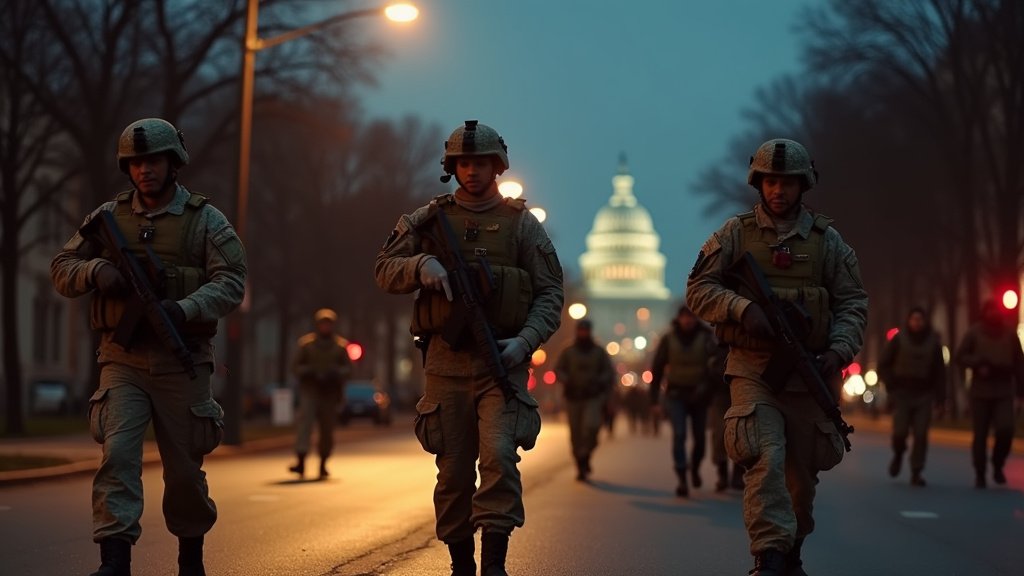
In a move that could reshape the boundaries of presidential power over trade, the Trump administration has formally asked the U.S. Supreme Court to review a federal appeals court decision that declared many of President Donald Trump’s sweeping tariffs unlawful. The administration argues that the ruling threatens America’s economic stability and its ability to conduct foreign policy, setting the stage for a high-stakes legal confrontation at the nation’s highest court.

The Core of the Dispute: Presidential Authority and Tariffs

The legal battle centers on the Trump administration’s use of the International Emergency Economic Powers Act (IEEPA) of 1977, a statute designed to allow presidents to impose sanctions during national emergencies. The administration invoked IEEPA to justify imposing a wide range of tariffs on imported goods, citing national emergencies related to trade deficits and other economic vulnerabilities. These tariffs, often referred to as “reciprocal tariffs” and some related to fentanyl interdiction, have been a cornerstone of President Trump’s economic agenda since he took office, intended to pressure trading partners and renegotiate international trade deals.

More stories

US National News Landscape: Political Turmoil, Shifting Policies, and Global Tensions Dominate Headlines

October 15, 2025

US Deports Nearly 300 Venezuelans to El Salvador Despite Federal Court Order, Citing 1798 Alien Enemies Act

March 16, 2025

Last Living American Hostage Edan Alexander, Freed After 584 Days in Gaza, Set to Meet President Trump at White House

July 3, 2025

High-Stakes US-Iran Nuclear & Sanctions Talks Commence in Oman; Trump Administration Exempts Key Electronics from China Tariffs Totaling 145%

April 12, 2025

However, a coalition of small businesses and several Democratic-led states challenged these tariffs, contending that the president had exceeded his constitutional authority. They argued that IEEPA does not explicitly grant the president the power to impose broad tariffs and that such authority constitutionally resides with Congress. Plaintiffs like V.O.S. Selections, a family-owned American wine business, highlighted the severe economic harm these tariffs inflicted on their operations.

Lower Court Rulings Undermine Administration’s Position

Two federal courts have thus far sided with the challengers. Initially, the U.S. Court of International Trade ruled that the tariffs exceeded the authority granted to the president under IEEPA, finding that the statute did not authorize such extensive trade measures. This decision was later affirmed, in a significant 7-4 ruling, by the U.S. Court of Appeals for the Federal Circuit. The appeals court concluded that the “major questions” doctrine—which dictates that significant policy matters require unambiguous congressional authorization—was not met by the administration’s use of IEEPA for broad tariff imposition.

The Federal Circuit specifically stated that IEEPA does not mention tariffs among the regulatory powers it allows during a national emergency, and that Congress likely never intended the law to grant unlimited tariff authority. Despite these rulings, the appeals court stayed its decision until at least October 14, providing the administration time to seek Supreme Court review.

Administration’s Appeal and Arguments for Supreme Court Intervention

Following these setbacks, the Trump administration, through the Justice Department, petitioned the Supreme Court to hear the case, requesting an expedited review. Solicitor General D. John Sauer, in the appeal, argued that the lower court’s decision “casts a pall of uncertainty upon ongoing foreign negotiations” and jeopardizes “already negotiated framework deals and ongoing negotiations.” The administration contends that these tariffs are vital for promoting “peace and unprecedented economic prosperity” and that denying the president tariff authority would “expose our nation to trade retaliation without effective defenses.” Treasury Secretary Scott Bessent echoed these concerns, stating the ruling “gravely undermines the president’s ability to conduct real-world diplomacy and his ability to protect the national security and economy of the United States.”

High Stakes for Presidential Power and National Trade Policy

The case carries immense implications for the balance of power between the executive and legislative branches concerning trade policy. If the Supreme Court declines to hear the case or upholds the lower courts’ decisions, it could significantly curtail the president’s ability to unilaterally impose tariffs, reinforcing Congress’s constitutional role in setting tax and trade policy. Conversely, if the Court sides with the administration, it could affirm broad executive authority in times of perceived national economic emergency, potentially setting a precedent for future administrations.

Legal experts note that the Supreme Court’s conservative majority, which includes three justices appointed by President Trump, might slightly improve the administration’s chances. However, the legal arguments, particularly concerning the “major questions” doctrine and the interpretation of IEEPA, present complex challenges. The outcome of this legal battle will not only determine the fate of these specific tariffs, which have generated billions in revenue and influenced global markets, but also establish crucial guidelines for executive action on trade in the USA for years to come. This national news development underscores the ongoing tension between executive action and legislative authority in the United States economic landscape.

author avatar
Carlos Ibanez
See Full Bio
FacebookX TwitterPinterestLinkedInTumblrRedditVKWhatsAppEmail

Carlos Ibanez

Top World News: Gaza Aid Flotilla Departs Barcelona, Vowing to Break Blockade Amidst Severe Humanitarian Crisis
Florida Moves to Scrap All State Vaccine Mandates, Igniting National Debate
Related posts
  • Related posts
  • More from author
National News

Video Reveals Armed Man’s Failed Attack at Correspondents’ Dinner

May 1, 20260
National News

James Comey Indicted: DOJ Targets ’86 47′ Social Media Post

April 29, 20260
National News

Trump Purges National Science Board in Radical Federal Overhaul

April 28, 20260
Load more
Read also
Top Stories

Trump Warns Iran: War May Resume, US Escorts Ships

May 4, 20260
Editorial

US Navy Escorts Ships Through Strait of Hormuz Under ‘Project Freedom’

May 4, 20260
Top Stories

Trump Questions Iran Deal, US Scales Back German Troops

May 3, 20260
Culture & Society

US Embraces Diversity: Shifting Cultural Landscape

May 2, 20260
Top Stories

Trump Ends Historic 35-Day Shutdown: A Retrospective

May 1, 20260
Politics

Supreme Court Kills Louisiana Map; Primaries Suspended

May 1, 20260
Load more

Recent Posts

  • Trump Warns Iran: War May Resume, US Escorts Ships
  • US Navy Escorts Ships Through Strait of Hormuz Under ‘Project Freedom’
  • Trump Questions Iran Deal, US Scales Back German Troops
  • US Embraces Diversity: Shifting Cultural Landscape
  • Trump Ends Historic 35-Day Shutdown: A Retrospective

Recent Comments

No comments to show.
Social networks
FacebookLikes
X TwitterFollowers
PinterestFollowers
InstagramFollowers
YoutubeSubscribers
VimeoSubscribers
Popular categories
  • Top Stories535
  • National News299
  • Editorial267
  • Business254
  • Politics252
  • Crime & Justice236
  • Entertainment232
  • Health203
  • Tech & Innovation195
  • Culture & Society191
  • Uncategorized2

Trump Warns Iran: War May Resume, US Escorts Ships

May 4, 2026

US Navy Escorts Ships Through Strait of Hormuz Under ‘Project Freedom’

May 4, 2026

Trump Questions Iran Deal, US Scales Back German Troops

May 3, 2026

US Embraces Diversity: Shifting Cultural Landscape

May 2, 2026

Trump Ends Historic 35-Day Shutdown: A Retrospective

May 1, 2026

Awards Season Culminates: Previewing the 97th Academy Awards and Weekend Entertainment Options

4534 Comments

S&P 500 Nears Record as Nasdaq Hits Three-Week High; Major Indexes Post Strong Weekly Gains on February 14, 2025

779 Comments

Google Introduces Premium AI Ultra Subscription Globally: Advanced Capabilities and Pricing Details Emerge

771 Comments

Trump Rallies GOP on Capitol Hill Amidst Doubt for Sweeping Domestic Policy Bill

582 Comments

Future of Telecom: How AI and 5G Convergence is Driving Innovation

542 Comments
    © Copyright 2025, All Rights Reserved
    • About
    • Privacy
    • Contact