Saturday, March 15th, emerged as a day marked by a confluence of significant events spanning international relations, domestic crises, and shifts in government policy. From military action ordered by the White House and a devastating weather phenomenon impacting communities nationwide to notable political challenges abroad and directives affecting US international media, the day presented a diverse array of developments requiring global attention.
US Military Action Targets Houthi Rebels in Yemen

On Saturday, March 15th, President Trump ordered targeted military strikes against Houthi rebels located in Yemen. This executive order underscores the United States’ continued engagement in the complex security landscape of the Middle East and its posture towards non-state actors deemed a threat to regional stability or U.S. interests. The Houthi movement, which controls the capital Sana’a and large areas of northern Yemen, has been a central protagonist in the prolonged civil conflict within the country. The specific reasons prompting this particular series of strikes on this date were not immediately detailed, but U.S. military actions against the group have historically been linked to their actions perceived as destabilizing, such as missile or drone attacks targeting neighboring countries or international shipping lanes. The deployment of U.S. force, personally directed by President Trump, against the rebel group highlights the administration’s willingness to employ military means to address perceived threats in the region, adding another layer to the ongoing, multifaceted conflict in Yemen. Military strategists note that such strikes aim to degrade the capabilities of the targeted group, influence their behavior, and signal resolve, though their long-term impact on the broader conflict remains a subject of ongoing analysis.
Monster Storm Unleashes Fury Across United States
Domestically, the United States grappled with the severe impact of a sprawling “monster storm” that swept across wide swathes of the nation. This powerful weather system brought with it a range of hazardous conditions, disrupting daily life for millions and causing extensive property damage. The severity of the storm manifested in various forms depending on the region, potentially including blizzard conditions, heavy rainfall leading to flooding, damaging winds, or severe thunderstorms. Tragically, the storm resulted in a significant loss of life, with authorities confirming at least 17 fatalities attributed directly to the weather event. These fatalities occurred in diverse locations impacted by the storm’s path, highlighting the widespread danger posed by the extreme conditions. Emergency responders worked tirelessly to rescue individuals stranded by flooding or snow, restore power to affected areas, and assess the full scope of the damage. The human toll of the “monster storm” served as a stark reminder of the vulnerability of infrastructure and communities in the face of increasingly intense weather patterns, prompting discussions about climate resilience and disaster preparedness at local and national levels. The event dominated domestic news coverage, overshadowing many other developments due to its immediate and tragic consequences across the United States.
UK’s Starmer Challenges Putin on Peace Seriousness
In diplomatic circles, a notable development occurred when the United Kingdom’s Starmer publicly challenged Russian President Vladimir Putin. The core of Starmer’s challenge specifically addressed President Putin’s “seriousness about peace.” This high-profile statement from a leading figure in UK politics, occurring on or around this pivotal date, underscores the ongoing international efforts and political pressures surrounding major global conflicts and tensions where Russia is involved. Such challenges from opposition leaders can serve multiple purposes, including signaling a particular stance on foreign policy, exerting political pressure on the government or international actors, or attempting to shape public discourse. By questioning President Putin’s commitment to peace, Starmer put the focus squarely on the Russian leader’s intentions and actions regarding conflict resolution. While the specific context prompting this challenge was not detailed in the summary beyond its focus on “seriousness about peace,” it reflects the persistent diplomatic and political complexities characterizing relations with Russia on the international stage.
President Trump Directs Staff Cuts at Voice of America
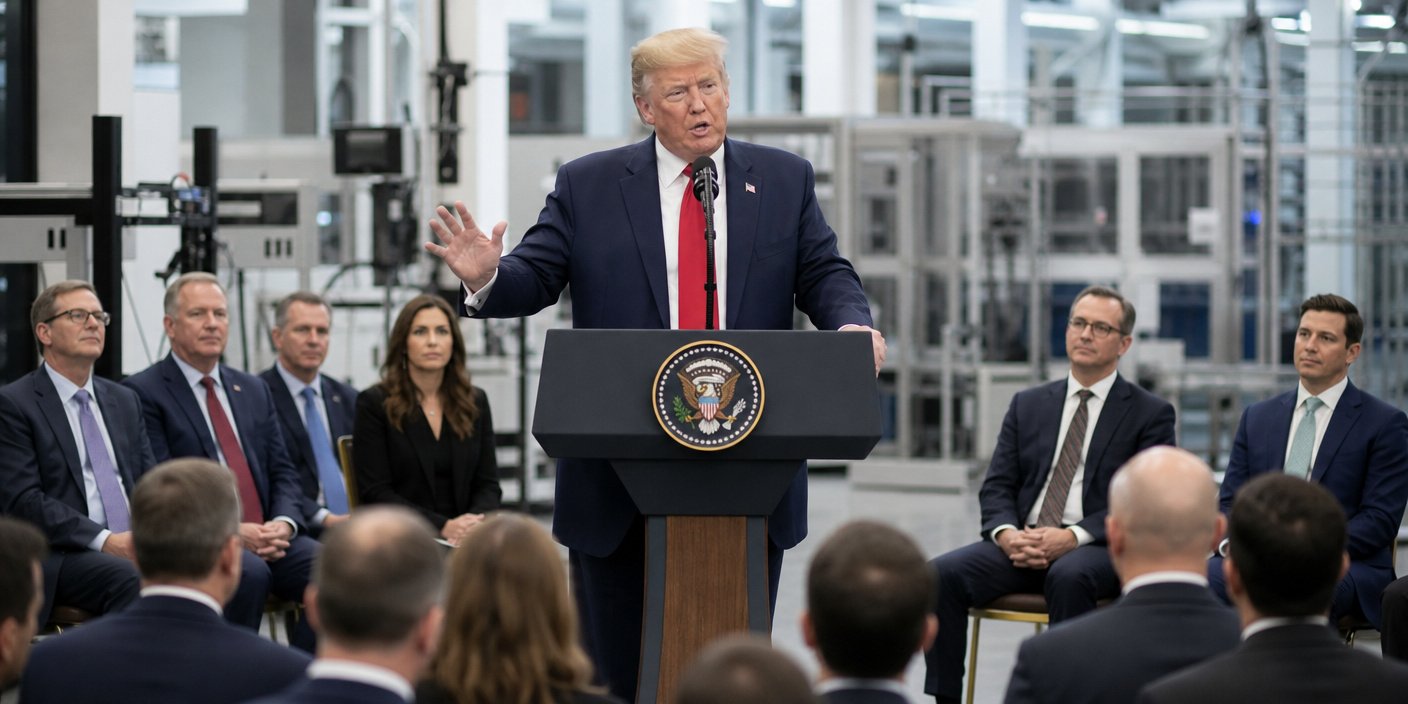
Rounding out the day’s significant announcements, President Trump signed an executive order directing staff cuts at Voice of America (VOA). Voice of America is a cornerstone of the United States’ public diplomacy efforts, serving as an official U.S. international broadcaster that delivers news and cultural programming to audiences worldwide, often in regions where independent media is limited. It operates as part of the U.S. Agency for Global Media (USAGM). The President’s order signals a move towards potential restructuring or downsizing of the organization. Directing staff reductions at VOA reflects broader policy considerations within the administration regarding the funding, mission, and operation of U.S. government-funded media outlets. Such decisions can spark debate about the role of public broadcasting, its independence, and its effectiveness as a tool of foreign policy and cultural exchange. The directive from President Trump highlights an administrative focus on efficiency and strategic allocation of resources across government agencies, including those involved in international communication. The implications of these potential staff cuts for VOA’s global reach and operational capacity remain subjects of discussion among policymakers, journalists, and international observers.
Conclusion: Saturday, March 15th, was a day densely packed with significant events, illustrating the multifaceted challenges and decisions confronting leaders both domestically and on the world stage. From assertive military action in Yemen and the tragic human toll of a “monster storm” across the United States to a pointed political challenge from the UK’s Starmer to President Putin and a notable policy directive impacting the Voice of America, the events of this single day underscore the dynamic and often turbulent nature of global and national affairs. Each development, while distinct, contributed to the complex tapestry of news unfolding during this period.