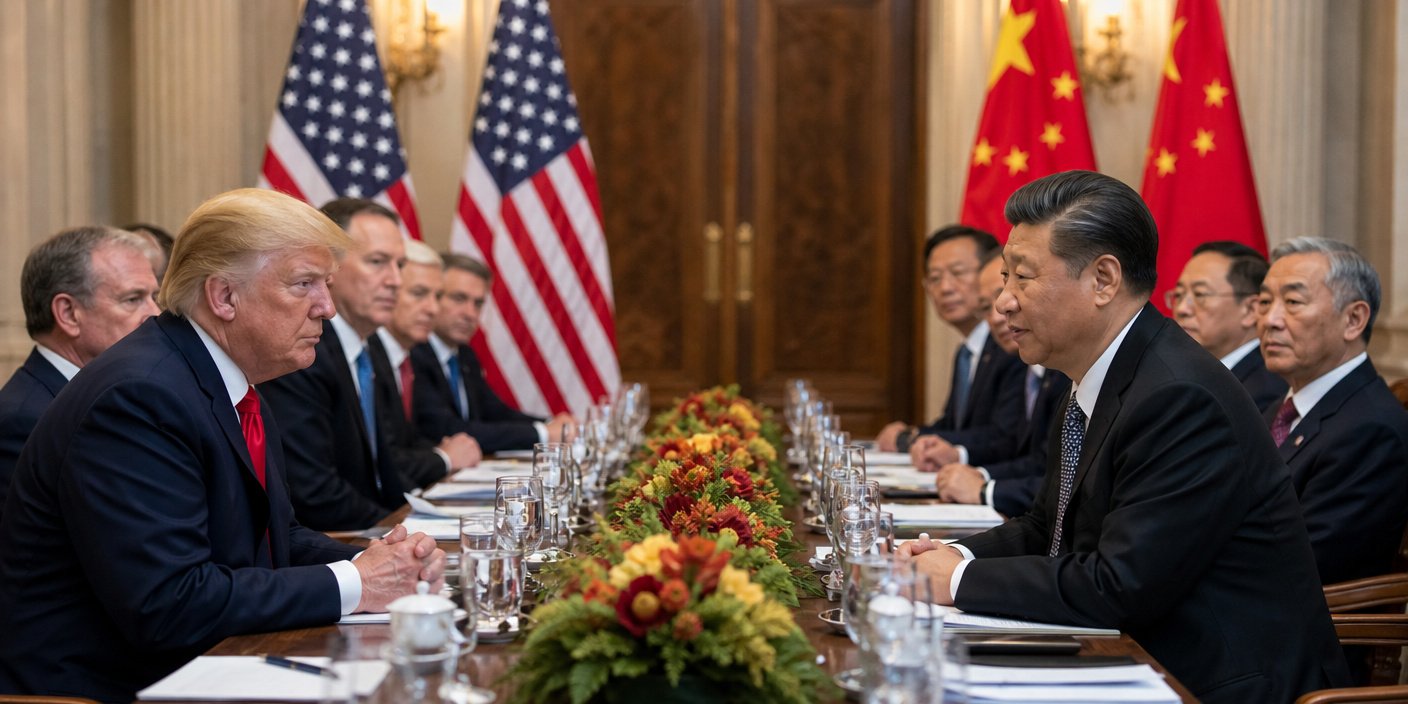
The 81st session of the United Nations General Assembly has officially convened in New York, drawing more than 130 world leaders to a city that is once again the epicenter of global diplomacy. Yet, beneath the veneer of high-level protocol and diplomatic pageantry, the mood is decidedly somber. As heads of state and government ministers arrive, the organization faces a critical juncture—one that many observers describe as a definitive test of its institutional relevance. With the UN struggling to mediate or mitigate escalating conflicts in Ukraine, the Middle East, and various theaters across the African continent, the assembly is grappling with the haunting question of whether the foundational architecture of the post-WWII era is still capable of maintaining global order.
Key Highlights
- Over 130 world leaders are gathered in New York for the high-level opening of the 81st session of the UN General Assembly.
- The assembly is facing intense pressure to address failing mediation efforts in major geopolitical flashpoints, including the ongoing war in Ukraine and the volatile crisis in the Middle East.
- Central to the agenda is the demand for comprehensive internal financial reform and a structural overhaul of the UN’s decision-making bodies.
- Experts warn that the UN’s perceived gridlock is fueling a rise in regional alliances and bilateralism, potentially bypassing the multilateral framework entirely.
The 81st UNGA: Can Global Diplomacy Survive Its Own Paralysis?
The arrival of international delegations in New York for the 81st session of the UN General Assembly (UNGA) serves as a stark reminder of the organization’s reach—and its limitations. While the logistics of hosting such a massive contingent of world leaders are a testament to the UN’s enduring role as the world’s premier stage for international dialogue, the substance of the proceedings is overshadowed by a pervasive sense of inadequacy.
The Shadow of Protracted Conflict
At the heart of the crisis is the persistent inability of the Security Council to offer a unified, or even remotely effective, response to the most pressing conflicts of the day. In Ukraine, the humanitarian and geopolitical costs continue to mount, yet the UN remains effectively sidelined by the veto power of key permanent members. Similarly, the ongoing instability in the Middle East has exposed deep, unbridgeable fissures within the international community, leaving the UN to oscillate between issuing humanitarian calls and observing the limits of its mandate.
This gap between the UN’s Charter-mandated role as a guarantor of peace and its reality as a paralyzed observer has created a vacuum of leadership. As the 81st session progresses, the critical test is not merely the number of speeches delivered, but whether the assembly can foster any semblance of consensus among polarized powers. If the UN cannot provide a platform for de-escalation, it risks becoming increasingly disconnected from the ground realities of modern warfare and the suffering of civilians in affected regions.
Financial Fragility and Structural Reform
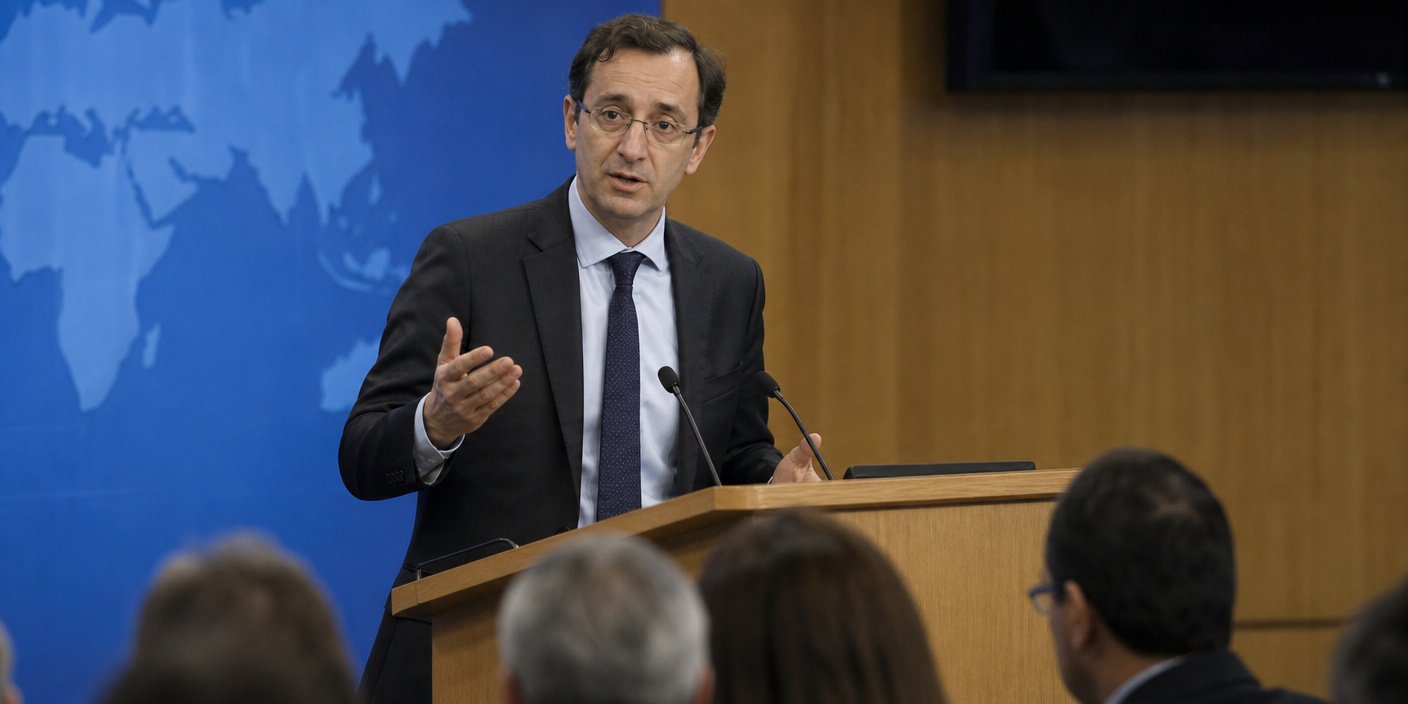
Beyond the geopolitical landscape, the UN is internally embattled. For years, there have been mounting calls for internal financial and organizational reform. Many member states, particularly those from the Global South, argue that the current financial structure is outdated, inefficient, and reliant on a narrow set of donors who wield disproportionate influence.
This fiscal uncertainty comes at a time when the demands on the UN—ranging from climate adaptation finance to peacebuilding initiatives—are increasing. Structural reform is no longer a peripheral topic; it has become an existential requirement. Discussions during this session are expected to touch upon the need for a more equitable budget distribution and a revitalization of the Secretariat’s operational mandate. Without significant progress on these fronts, the organization risks a slow decline into administrative irrelevance, where its bureaucratic mechanisms become too sluggish to respond to rapid global shifts.
The Existential Search for New Legitimacy
Perhaps the most secondary, yet deeply impactful, angle of this year’s gathering is the shifting nature of multilateralism itself. We are observing a transition where nations are increasingly prioritizing regional blocs, such as the BRICS+ expansion or reinforced G7 coordination, over the broader UN framework. This move toward ‘minilateralism’ is a direct consequence of the UN’s failure to deliver results on core security issues.
For the UN to reclaim its central role, it must prove that it is not merely a venue for rhetoric, but a functional mechanism for crisis management. The 81st session represents a ‘make-or-break’ moment. If the organization can successfully initiate a tangible reform process—specifically one that empowers the General Assembly to circumvent gridlock in the Security Council—it may yet secure its future. If it fails, we may look back at this 81st session as the point where the UN transitioned from being the primary architect of international order to a peripheral observer of a fragmented world.
FAQ: People Also Ask
Q: What is the primary purpose of the 81st UNGA session?
A: The primary purpose is to provide a multilateral platform for the 193 member states to discuss global challenges, including security, sustainable development, and human rights. For the 81st session, the focus is heavily weighted toward resolving geopolitical conflicts and organizational reform.
Q: Why is the UN facing a ‘test of relevance’ right now?
A: The UN is facing criticism for its inability to stop or de-escalate major conflicts in Ukraine and the Middle East. This has led to concerns that its structural mechanisms, particularly the Security Council, are paralyzed, causing member states to look for solutions outside the UN framework.
Q: Are there specific calls for reform being discussed at this session?
A: Yes. The assembly is addressing long-standing calls for the restructuring of the UN’s financial systems, as well as demands to reform the Security Council’s decision-making process to better reflect the geopolitical reality of the 21st century.
Q: How does the presence of 130+ world leaders impact the session?
A: The high volume of world leaders intensifies the pressure on the session to produce concrete outcomes. While this provides a high-level opportunity for bilateral diplomacy, it also raises the stakes for the UN to demonstrate its continued utility in the face of global fragmentation.