Anadolu Agency’s morning briefing for July 1, 2025, captured a series of significant global events, highlighting shifts in foreign policy, ongoing conflicts, diplomatic efforts, and international cooperation.
US Terminates Syria Sanctions Program
A major development emerged from Washington, D.E., as U.S. President Donald Trump signed an executive order effectively terminating the United States’ comprehensive sanctions program on Syria. This move signals a potential recalibration of American policy towards Damascus, a program that has been in place for several years targeting the Syrian government and its affiliates over actions during the country’s civil conflict.
The executive order, signed by President Trump, brings to an end a suite of economic and financial restrictions that have profoundly impacted Syria’s economy and international engagement. Observers are now scrutinizing the potential implications of this decision on the political landscape in Syria, regional dynamics, and international efforts to find a resolution to the protracted crisis. The termination of sanctions could potentially open avenues for reconstruction aid, trade, and diplomatic normalization, though significant international hurdles and domestic Syrian challenges remain.
Security Incident at Kirkuk Airport in Iraq
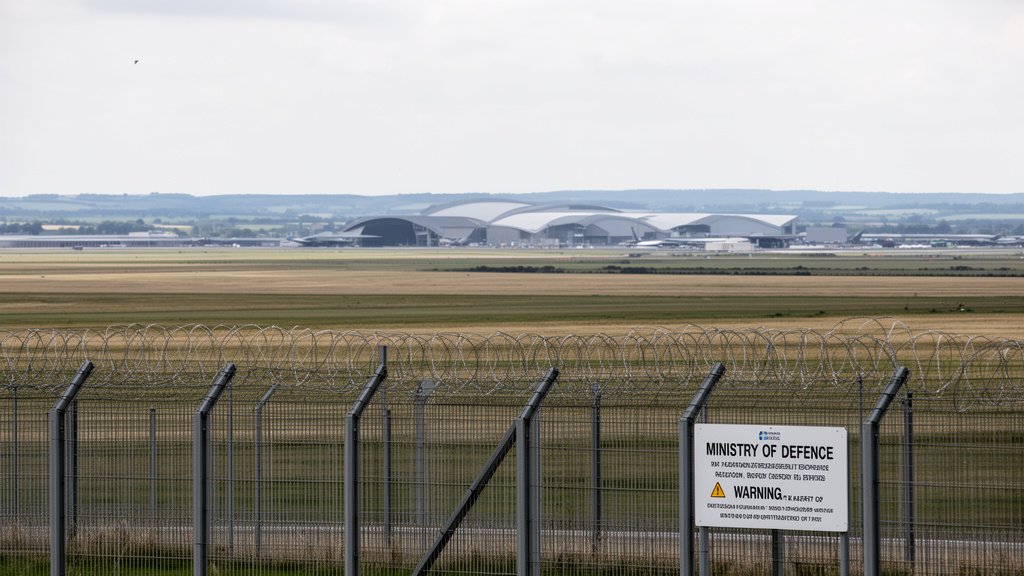
In northern Iraq, security forces reported that unidentified projectiles struck Kirkuk airport. The incident underscores persistent security challenges in the region, which has seen sporadic attacks targeting infrastructure and military installations. Details regarding the source of the projectiles or the extent of any damage were not immediately available in the briefing, but the strike highlights underlying tensions in the area.
The attack on the airport could potentially disrupt air traffic and raise concerns about the safety of civilian infrastructure. Investigations into the incident are expected to commence to identify the perpetrators and their motives. Such attacks often occur amidst complex security environments involving various armed groups operating within Iraq.
Escalation in Gaza Strip and International Response
The Gaza Strip experienced a significant escalation, with Israeli airstrikes reportedly resulting in the deaths of nearly 100 Palestinians. The strikes represent a continuation of intense hostilities that have plagued the densely populated coastal enclave.
The reported death toll underscores the severe human cost of the ongoing conflict. International bodies and humanitarian organizations have repeatedly voiced alarm over the impact of military actions on civilians in Gaza.
In response to the worsening humanitarian situation, the United Nations issued a strong appeal to Israel, urging the facilitation of access for essential supplies into Gaza through available crossing points. The UN emphasized the critical need for humanitarian aid, including food, medicine, and other vital goods, to reach the affected population unimpeded.
Adding another layer to the situation, the United States approved a significant military sale to Israel. The sale, valued at $510 million, comprises munitions guidance kits. This approval comes amidst the heightened tensions and ongoing military operations in the region, and it is likely to be a subject of international discussion regarding arms transfers in conflict zones.
China and India Address Boundary Dispute Complexity
Elsewhere in Asia, China commented on its long-standing boundary dispute with India, describing the situation as “complicated.” Beijing acknowledged that resolving the dispute would require time but reaffirmed its commitment to utilizing diplomatic mechanisms to work towards a resolution.
The border issue between the two Asian giants remains a significant point of tension, periodically leading to standoffs between military forces along the unmarked frontier. China’s statement, while acknowledging the difficulty, signals a continued preference for diplomatic engagement as the primary path forward, reflecting the complex geopolitical relationship between the two nations.
Cultural Figures Urge UK Against Banning Palestine Action



In the United Kingdom, a collective of over 400 cultural figures publicly urged the British government against implementing a ban on the group Palestine Action. Their appeal was coupled with a broader call for an end to the UK’s practice of arming Israel.
The statement from such a large and diverse group of artists, writers, and performers highlights the depth of feeling within cultural circles regarding the conflict and related activism. Palestine Action is known for direct action protests targeting companies involved in the arms trade with Israel. The cultural figures’ intervention seeks to protect the group’s right to protest and influence government policy on arms exports.
Sudan Refugees Face Critical Food Aid Cuts
The humanitarian crisis stemming from the conflict in Sudan continues to deepen. The United Nations World Food Programme (WFP) issued a stark warning that millions of Sudanese refugees are facing significant cuts to essential food aid.
The WFP attributed the impending reductions to critical funding shortages, highlighting the severe strain on international humanitarian budgets caused by multiple global crises. The potential cuts in aid threaten to exacerbate an already dire situation for those displaced by the violence in Sudan, raising fears of increased malnutrition and hardship among vulnerable populations.
Türkiye to Host 2026 NATO Leaders Summit in Ankara
In a significant announcement regarding future international security cooperation, Türkiye revealed it will host the 2026 NATO leaders summit. The crucial meeting of heads of state and government from the North Atlantic Treaty Organization member countries is scheduled to take place in the capital city, Ankara.
Holding the summit in Ankara underscores Türkiye’s role within the alliance and provides an opportunity for the nation to play a central role in facilitating high-level discussions on collective security, defense strategies, and the evolving geopolitical landscape facing NATO members. The selection of the host nation is a key decision made well in advance of the summit itself.
European Union Extends Sanctions on Russia
The European Council confirmed its decision to extend the European Union’s sectoral sanctions targeting Russia. The sanctions, initially imposed in response to Russia’s actions in Ukraine, have been prolonged for an additional six months.
The extension maintains economic restrictions on key sectors of the Russian economy, including finance, energy, and defense. This move signals the EU’s continued stance regarding the situation in Ukraine and its commitment to maintaining pressure on Moscow through economic measures as part of its foreign policy response.
Philippines and Lithuania Sign Defense Cooperation Agreement
Strengthening bilateral ties and security cooperation, the Philippines and Lithuania signed a defense cooperation agreement. The pact aims to enhance defense relations between the two countries, potentially involving joint exercises, training, and exchanges of expertise.
The agreement reflects both nations’ efforts to diversify security partnerships and build capacity in an increasingly complex global security environment. For the Philippines, it represents a step in expanding its defense network beyond traditional allies, while for Lithuania, it adds another layer to its international security engagements.
Global Air Passenger Demand Continues Growth
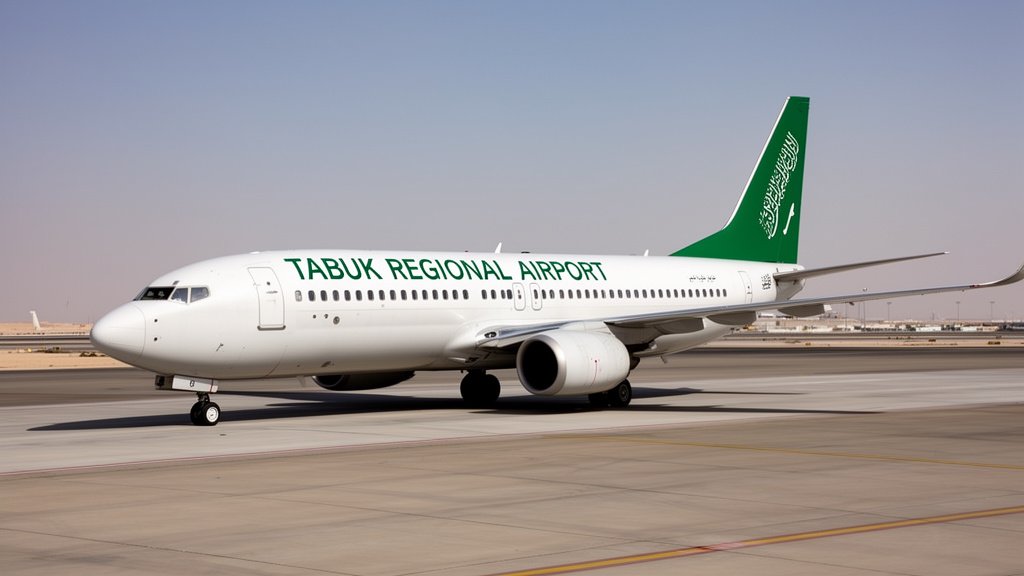
In a positive indicator for the global travel industry, data from May showed continued growth in air passenger demand. Global demand grew by 5% during the month.
This statistic, reported by industry bodies such as the International Air Transport Association (IATA), indicates a steady recovery or expansion in air travel following recent global disruptions. The 5% growth figure suggests increasing confidence in air travel and reflects trends in tourism and business connectivity worldwide.
Conclusion: A Day of Complex Global Intersections
July 1, 2025, proved to be a day marked by diverse and complex developments across the international stage. From significant shifts in major power foreign policy like the termination of U.S. sanctions on Syria by President Trump, to ongoing security challenges evidenced by the Kirkuk airport attack and the devastating Israeli airstrikes in Gaza that reportedly killed nearly 100 Palestinians, the global landscape remains dynamic.
Diplomacy continues to play a role, seen in China’s comments on its border dispute with India, the UN’s push for Gaza access, the EU’s extension of Russia sanctions, and the new defense pact between the Philippines and Lithuania. Humanitarian crises persist, highlighted by the WFP’s warning on Sudan refugee aid. Meanwhile, future international cooperation is being planned, most notably with Türkiye set to host the 2026 NATO summit in Ankara.
These events, alongside cultural and economic indicators like the plea from over 400 cultural figures regarding Palestine Action and the 5% growth in global air passenger demand in May, paint a detailed picture of the intricate intersections shaping the world on this day.