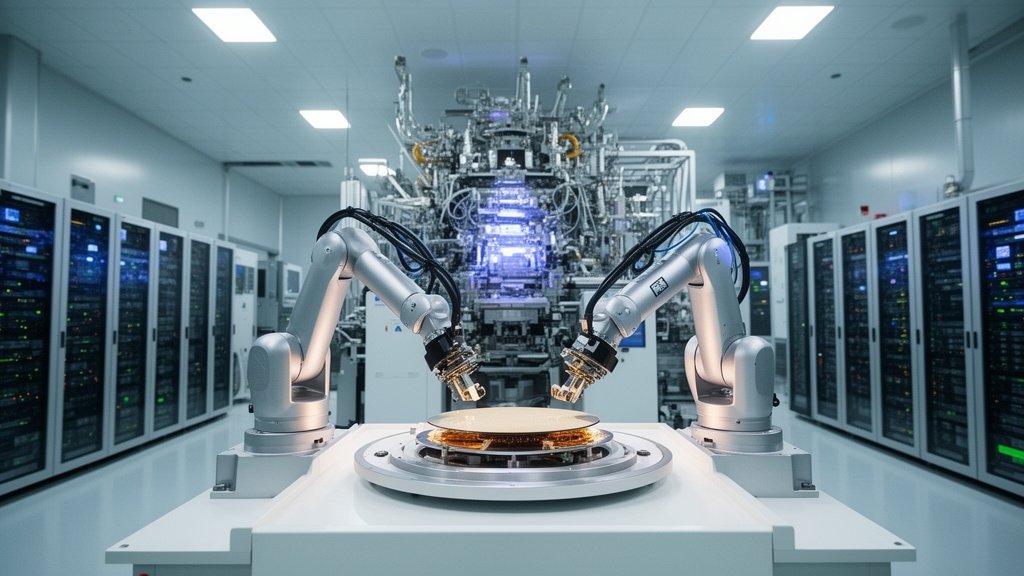
The technological race is shifting dramatically, moving beyond the confines of artificial intelligence to reshape industries like manufacturing, healthcare, and energy. A new report from the World Economic Forum and Frontiers highlights the Top 10 Emerging Technologies of 2026, signaling a transition towards practical, on-the-ground applications that will define our future.
Key Highlights:
- The focus of technological innovation is broadening from AI to tangible, real-world sectors.
- Emerging technologies aim to solve critical challenges in manufacturing, healthcare, and energy.
- The Top 10 Emerging Technologies of 2026 signal a new era of applied innovation.
- Collaboration between the World Economic Forum and Frontiers underscores the importance of these advancements.
The Shifting Sands of Innovation
The technological landscape is undergoing a profound transformation, with the spotlight increasingly moving from the abstract realm of artificial intelligence to concrete, impactful applications across vital sectors. The latest “Top 10 Emerging Technologies of 2026” report, a joint initiative by the World Economic Forum and Frontiers, illuminates this critical pivot. It identifies advancements poised to revolutionize industries such as advanced materials, biotechnology, and sustainable energy, signaling a departure from the purely digital domain towards solutions that directly address global challenges.
Beyond AI: A New Era of Applied Tech
While AI continues its rapid evolution, the report emphasizes that the most significant breakthroughs and disruptive potential now lie in technologies that bridge the digital and physical worlds. This includes innovations in areas like generative biology, which promises to accelerate drug discovery and sustainable material design, and advanced robotics and automation, set to redefine manufacturing efficiency and safety. The integration of AI with these physical technologies is becoming the new frontier, driving progress in fields previously thought to be resistant to rapid technological change.
Revolutionizing Key Industries


The implications of these emerging technologies are far-reaching, with immediate applications seen in factories, hospitals, and power grids. In manufacturing, advanced automation and AI-driven quality control promise to boost productivity and create more resilient supply chains. The healthcare sector stands to benefit immensely from AI-powered diagnostics, personalized medicine enabled by genomics, and robotic surgery advancements. Meanwhile, the energy sector is looking towards innovations in grid modernization, advanced battery storage, and novel renewable energy sources to tackle climate change and ensure energy security.
Expert Insights and Collaboration
The collaboration between the World Economic Forum and Frontiers in identifying these key technologies underscores their global significance. These organizations bring together diverse expertise to forecast trends that will shape economies and societies. The report serves as a crucial guide for policymakers, industry leaders, and researchers, highlighting areas ripe for investment and strategic development. The emphasis is on technologies that not only offer economic advantages but also contribute to sustainable development and societal well-being.
The Road Ahead: Challenges and Opportunities
Navigating this new technological era presents both challenges and opportunities. Ethical considerations, the need for skilled workforces, and equitable access to these advancements are paramount. As these technologies mature, a concerted effort will be required to manage their integration responsibly, ensuring that the benefits are widely shared and that potential risks are mitigated. The report implicitly calls for proactive strategies to foster innovation while building robust regulatory frameworks.
FAQ: People Also Ask
What are the Top 10 Emerging Technologies of 2026?
The report identifies key technologies such as generative biology, advanced materials, sustainable energy solutions, AI-powered healthcare advancements, and next-generation robotics, among others, that are set to make a significant impact.
How is technology shifting focus from AI?
While AI remains crucial, the focus is broadening to how AI integrates with and enhances physical technologies in sectors like manufacturing, healthcare, and energy, leading to more tangible, real-world applications.
What role does the World Economic Forum play?
The World Economic Forum collaborates with scientific bodies like Frontiers to identify and promote emerging technologies that have the potential to address global challenges and shape future economies and societies.
What are the main industries being impacted?
Key industries experiencing a significant technological shift include manufacturing, healthcare, and the energy sector, with advancements expected in automation, diagnostics, personalized medicine, and sustainable power solutions.
What are the challenges associated with these new technologies?
Challenges include ethical considerations, the need for workforce upskilling, ensuring equitable access to new technologies, and developing appropriate regulatory frameworks for responsible integration.