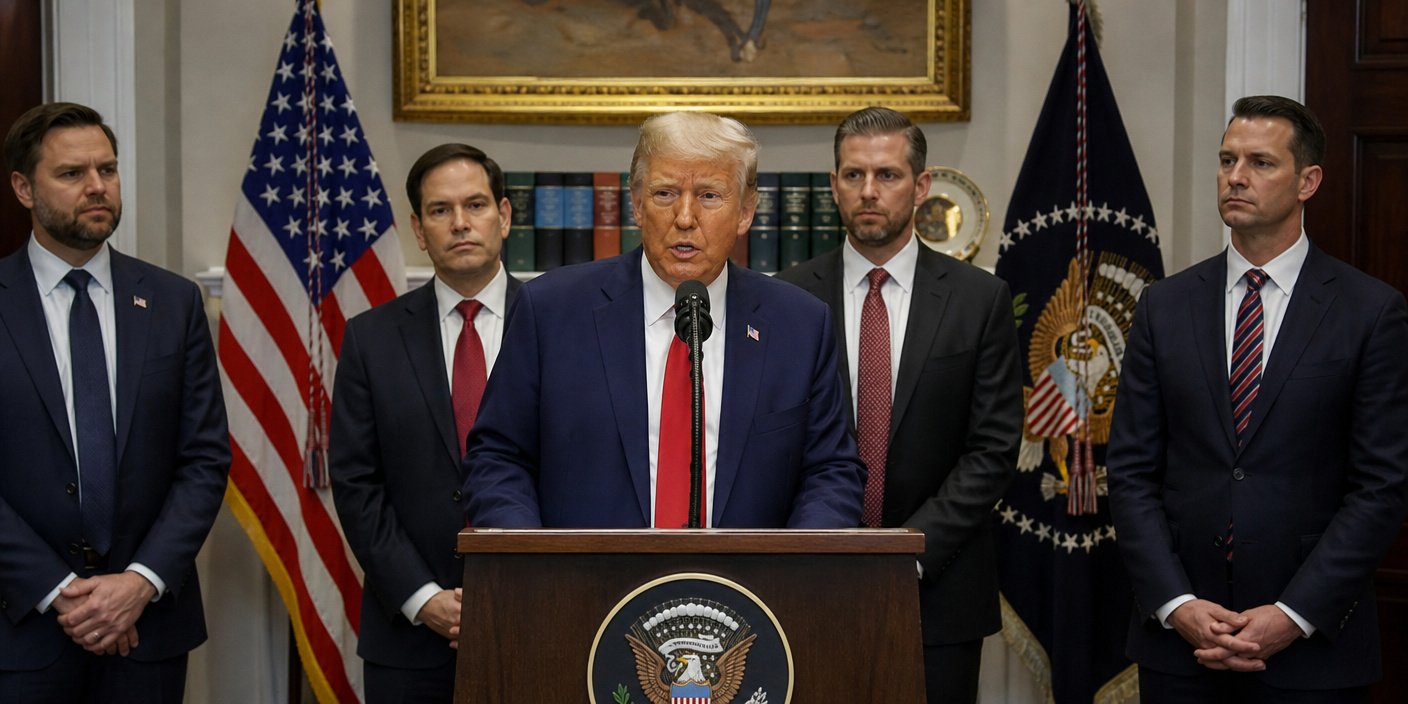
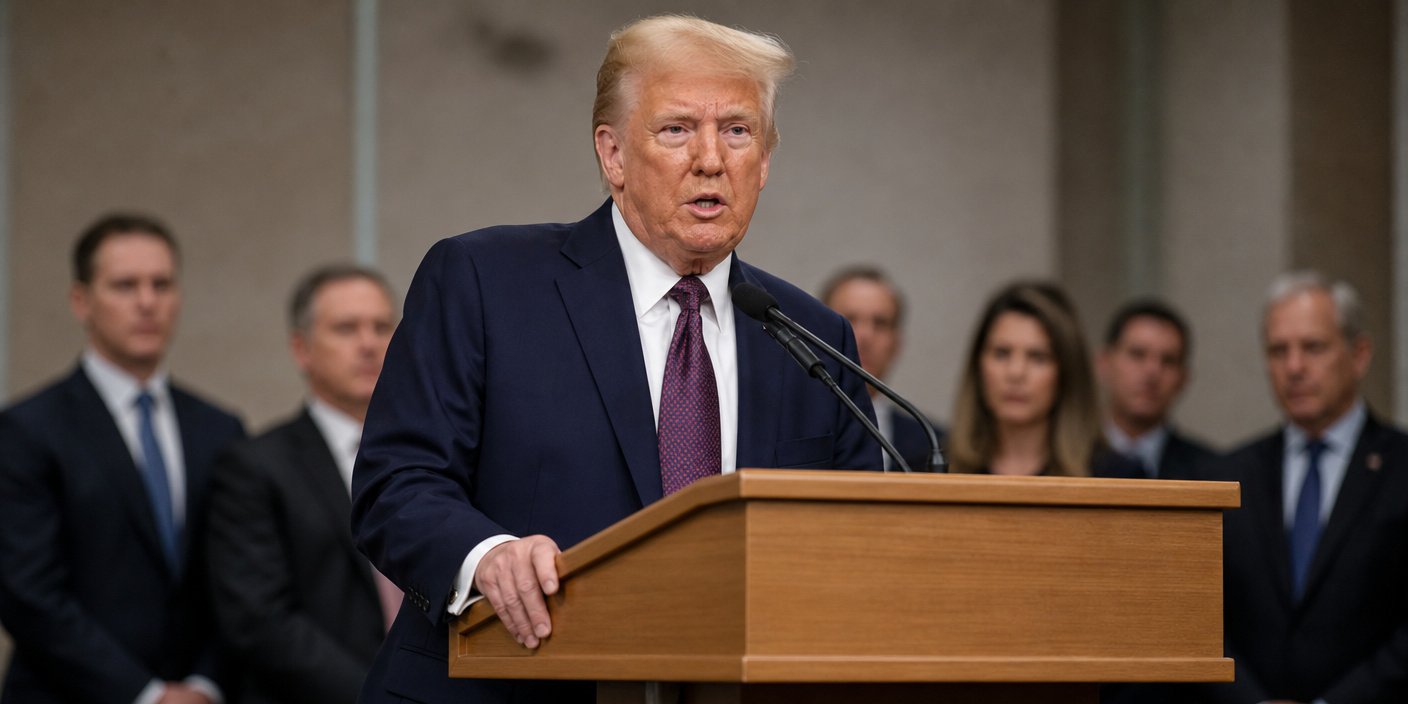
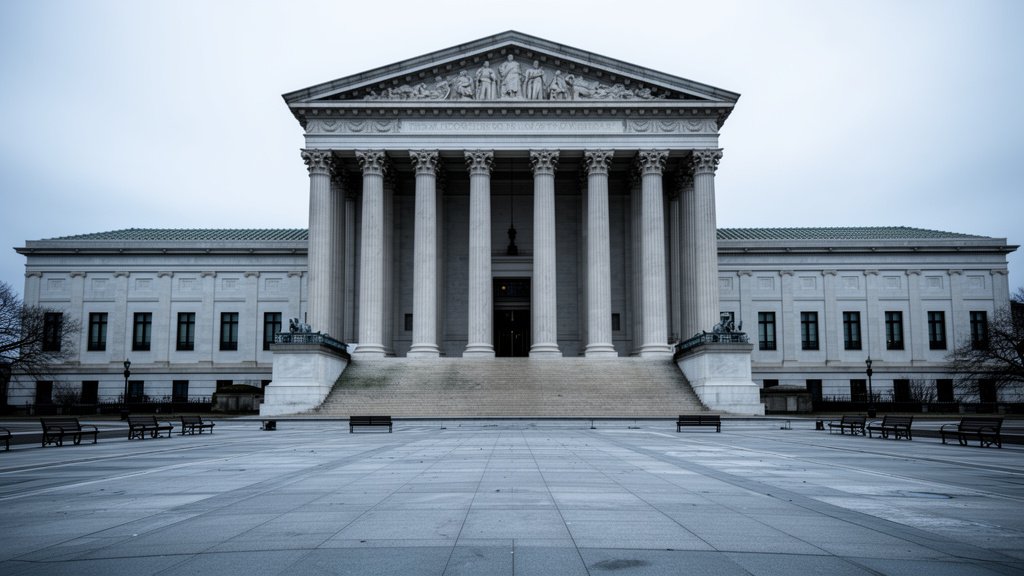
Washington, D.C. — The Supreme Court of the United States has delivered a significant decision impacting the executive branch’s power over independent agencies, ruling that President Donald Trump was within his authority to dismiss two members of U.S. labor boards who were appointed by President Joe Biden.
The high court issued a two-page unsigned order on Thursday, effectively allowing the firings to stand. The brief order declined to reinstate the fired members, whose positions were on key federal bodies: the National Labor Relations Board (NLRB) and the Merit Systems Protection Board (MSPB).
Context of the Firings
The case centers on the authority of a sitting president to remove officials appointed by a previous administration, particularly those serving on boards or commissions often structured to operate with a degree of independence. President Trump had moved to fire these two officials after President Biden had appointed them to their respective posts.
The specific individuals involved held positions crucial to federal labor relations and employee protections. One served on the National Labor Relations Board (NLRB), the independent federal agency tasked with protecting the rights of most private-sector employees to organize, bargain collectively, and engage in concerted activities for their protection or aid. The other served on the Merit Systems Protection Board (MSPB), an independent quasi-judicial agency in the executive branch that serves as the guardian of federal merit systems and hears and decides appeals from federal employees of certain personnel actions.
Typically, members of such boards serve fixed terms and are intended to be shielded from arbitrary political dismissal to ensure their impartiality and independence in applying relevant statutes and regulations.
The Legal Challenge and the Court’s Decision
The challenge to President Trump’s actions was rooted in arguments that the firings violated federal law. The original summary highlights that the decision comes despite federal law barring the president from dismissing such officials for political reasons. This principle is often associated with the structure of independent agencies, where members can typically only be removed for specific causes, such as inefficiency, neglect of duty, or malfeasance in office, rather than simple political disagreement or a change in administration.


Those challenging the dismissals argued that President Trump’s removal of the Biden-appointed members fell outside the legally permissible grounds for removal, characterizing them as politically motivated.
However, the Supreme Court, through its concise Thursday order, chose not to intervene to reverse the firings. By declining to reinstate the fired members, the court effectively sided with the executive branch’s assertion of authority in this specific instance. The brevity of the two-page unsigned order means the court did not issue a lengthy, detailed opinion explaining its legal reasoning, a common practice in summary orders or decisions on procedural matters like requests for injunctions or stays.
This lack of a full opinion leaves some legal questions open but sends a clear signal regarding the court’s current stance on the president’s ability to remove appointees to these particular types of positions under the circumstances presented.
Implications for Board Functionality
The decision has immediate practical consequences for the functioning of both the NLRB and the MSPB. The removal of members can alter the political and ideological balance of these boards, which are typically composed of a specific number of members appointed by the president and confirmed by the Senate. Changes in board composition can significantly impact their rulemaking, enforcement priorities, and the outcomes of cases they adjudicate.
The National Labor Relations Board, for instance, plays a pivotal role in defining the landscape of union organizing, collective bargaining, and the handling of unfair labor practice complaints in the private sector. The political leanings of its members often influence its interpretation of labor law and its approach to disputes between employers and unions.
Similarly, the Merit Systems Protection Board is critical for federal employees, providing an avenue for appeal against adverse personnel actions, such as removals, suspensions, and demotions. Its ability to function effectively and render impartial judgments depends on having a full complement of members.
Allowing the removal of members appointed by a previous administration, particularly under circumstances alleged to be politically motivated, could be seen by some as potentially undermining the intended independence and stability of these vital government functions. Conversely, proponents of stronger executive control may view the decision as a necessary affirmation of the president’s authority to shape the executive branch’s direction.
Broader Significance
While the court’s order was narrow in scope, addressing the specific case of these two fired members, it touches upon the broader constitutional separation of powers and the intricate balance between presidential authority and the statutory independence granted to certain agencies. The two-page unsigned order on Thursday adds another data point to the ongoing legal and political debate over the extent of the president’s power to remove agency heads or board members who do not serve at the president’s direct pleasure.
The decision could potentially influence future disputes regarding the removal of appointees to other independent agencies or boards, although the unique statutory structures of each agency must always be considered. Legal scholars will likely scrutinize the decision for clues about the court’s approach to similar separation-of-powers issues in the future, even in the absence of a detailed majority opinion.
In conclusion, the Supreme Court’s action on Thursday marks a notable development in the relationship between the presidency and independent government boards, affirming, for now, the executive’s power in the specific context of these Biden-appointed labor regulators who were dismissed by President Trump. The practical effects on the NLRB and MSPB, as well as potential future implications for other agencies, will continue to unfold.