In a decisive display of bipartisan cooperation, the U.S. House of Representatives approved a continuing resolution on September 1, 2026, ensuring the federal government remains fully funded through December 11, 2026. The legislation, which passed with a commanding 370-48 vote, effectively eliminates the immediate threat of a government shutdown that had been looming as the nation approaches the midterm elections. This critical stopgap measure provides essential breathing room for lawmakers, allowing federal agencies to continue operations without the disruption that typically accompanies budget impasses.
Key Highlights
- Decisive Vote: The continuing resolution passed with a significant 370-48 margin, reflecting broad bipartisan support.
- Extended Funding: Federal departments and agencies are now funded through December 11, 2026.
- Shutdown Averted: The move removes the threat of a government closure just months prior to the upcoming midterm elections.
- Legislative Breathing Room: The extension allows lawmakers to prioritize election-cycle duties while setting the stage for complex budget negotiations later in the year.
The Strategic Necessity of the Continuing Resolution
The passage of this funding bill is more than a procedural requirement; it is a calculated political maneuver designed to insulate the legislative process from the volatile atmosphere of an election season. Historically, government shutdowns are viewed as catastrophic political liabilities by both parties. By securing funding through December 11, Congress has successfully removed a potent “October Surprise”—the possibility of shuttered national parks, furloughed federal employees, and stalled social services—from the pre-election discourse.
The Mechanics of the Funding Extension
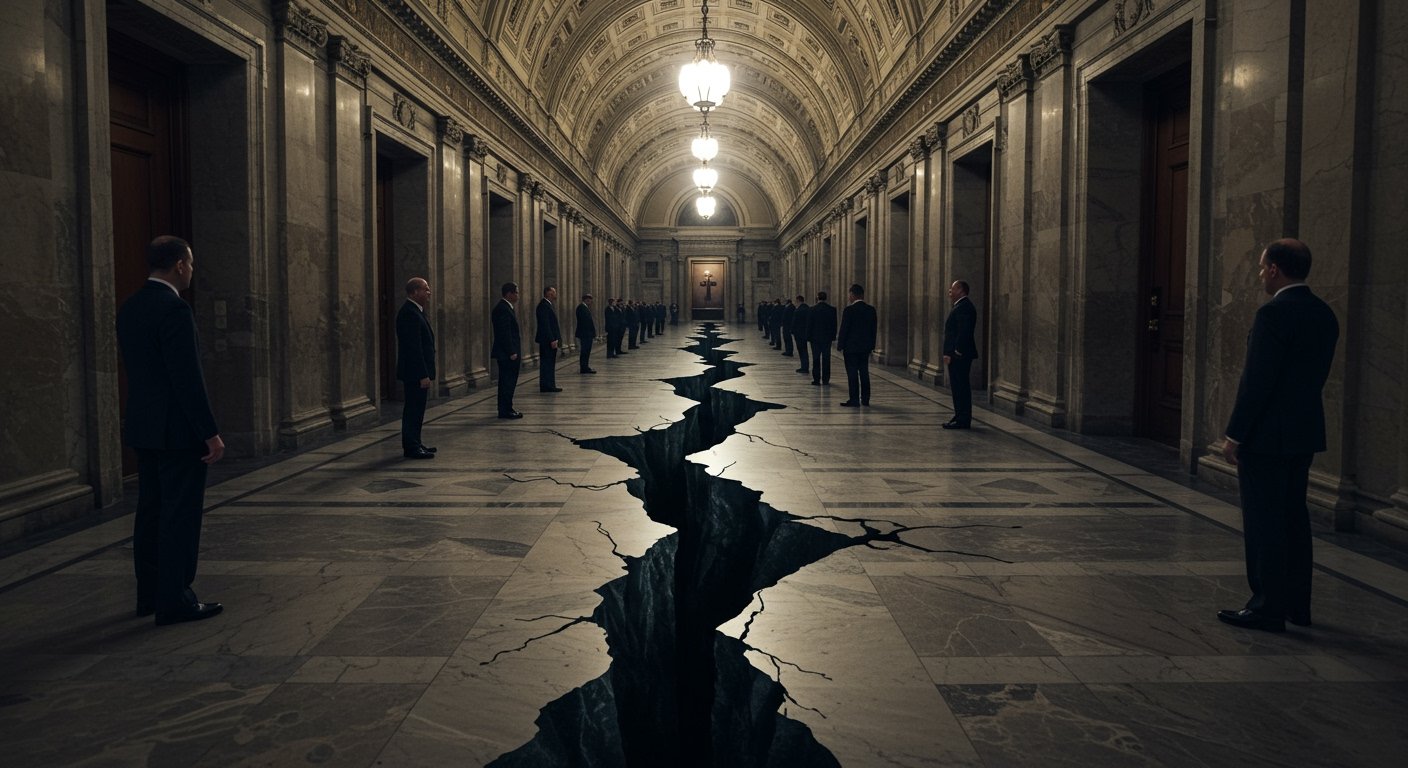
At its core, a continuing resolution (CR) is a stopgap measure that maintains funding at existing levels, effectively kicking the can down the road. While this prevents a immediate crisis, it also defers the more arduous task of comprehensive fiscal appropriation. The 370-48 vote total signals that, despite intense polarization, there is a shared consensus that fiscal stability is paramount during an election year. Legislators on both sides of the aisle recognized that a shutdown would not only disrupt critical services but would also serve as a negative referendum on their own governance just weeks before voters head to the polls.
Economic and Social Implications
For the average American, the implications of this vote are immediate and stabilizing. Government shutdowns carry tangible economic costs, including the cessation of non-essential services and the administrative cost of processing furloughs. By passing this resolution, the House has ensured the continuity of federal services, including military pay, air traffic control, and crucial bureaucratic functions that underpin the national economy. Financial markets, which historically react negatively to the uncertainty of budget lapses, are expected to view this vote as a signal of institutional reliability.
A New Deadline: Preparing for the Lame Duck Session
While the current threat has been neutralized, the December 11, 2026, deadline creates a new, complex legislative reality. The period following the midterm elections, often referred to as the “lame duck” session, will now become the crucible for the actual budget negotiations. Lawmakers will return to Washington facing a truncated timeline to pass long-term spending bills. If agreements cannot be reached by December 11, the cycle of negotiation will reset, potentially escalating tensions as the new Congress prepares to be sworn in.
Navigating Future Fiscal Disputes
The challenge moving forward is that the December 11 deadline forces Congress to reconcile competing fiscal priorities in a post-election environment. The political landscape will likely shift based on the midterm results, meaning the makeup of the negotiating committees could change entirely. This creates a high-stakes environment where outgoing members must work alongside those who have just secured re-election to finalize the federal budget. The success of this September 1st vote provides the necessary runway, but the December deadline remains a significant hurdle.
FAQ: People Also Ask
What happens if the government shuts down?
A government shutdown occurs when Congress fails to pass funding legislation. Non-essential services are suspended, federal employees may be furloughed without pay, and national operations—ranging from passport processing to scientific research—are stalled.
Why did the House vote for a continuing resolution instead of a full budget?
In the lead-up to midterm elections, finding consensus on a comprehensive budget is notoriously difficult. A continuing resolution is a streamlined, less contentious tool used to maintain status-quo funding levels, ensuring stability without requiring a lengthy debate on specific program line items.
What is the significance of the December 11, 2026, date?
December 11, 2026, serves as the “expiration date” for this temporary funding. It forces lawmakers to return after the midterm elections to finalize long-term appropriations. This period is a critical legislative window that will determine whether the government secures full funding or faces another round of shutdown threats before the end of the year.