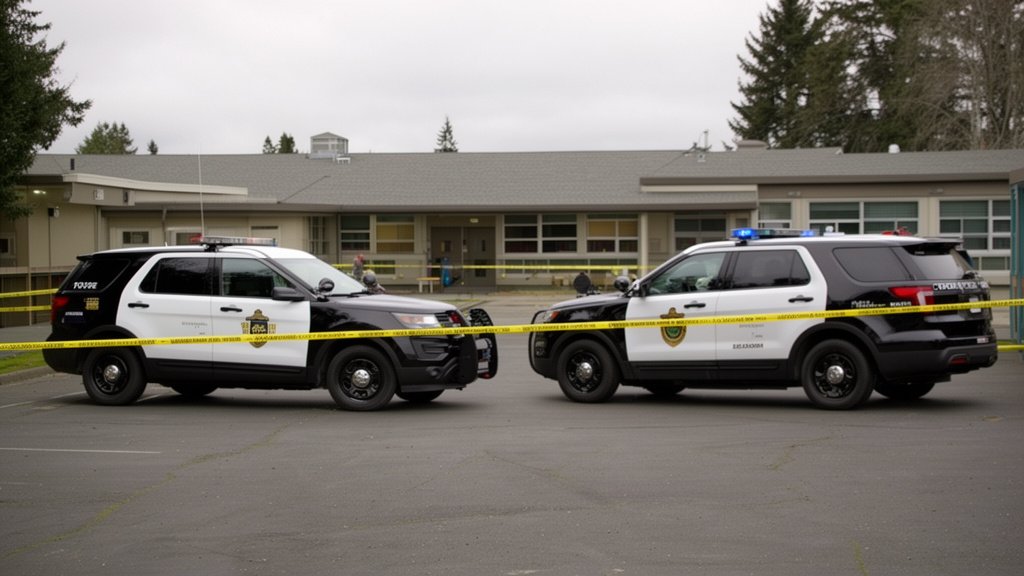
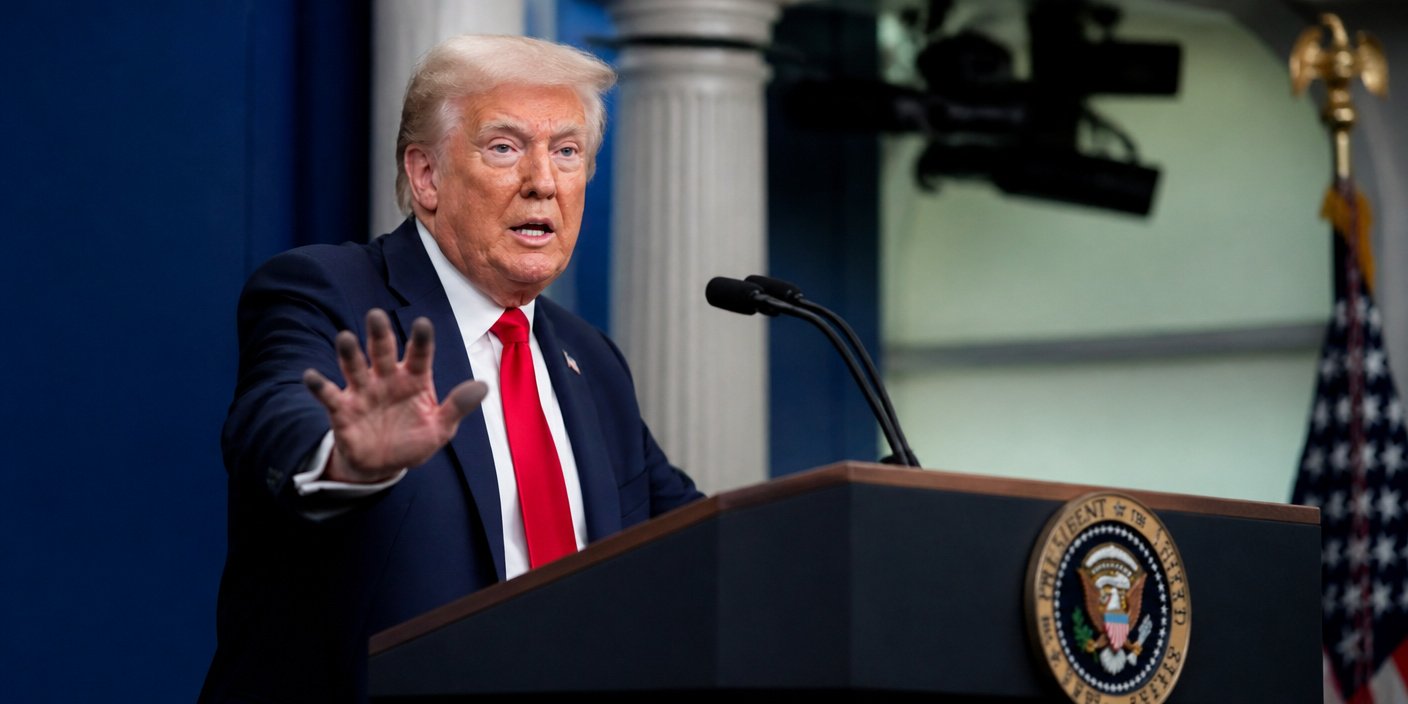
In a pivotal ruling that underscores the deepening friction between executive authority and the mechanics of American democracy, a federal judge has for the second time blocked President Trump’s executive order intended to restrict mail-in voting procedures. The decision serves as a significant legal roadblock for the administration, which has sought to aggressively overhaul election administration protocols in the lead-up to the 2026 midterm elections. The ruling effectively preserves existing state-level mail-in ballot structures, at least temporarily, while the litigation winds its way through the appellate process.
Key Highlights
- Second Judicial Injunction: The federal court reaffirmed its initial stance, issuing a preliminary injunction that stops the implementation of the Executive Order (EO) governing mail-in ballot verification.
- Conflict of Authority: The core legal contention rests on whether the President possesses the constitutional power to unilaterally set uniform standards for mail-in voting, or if that authority resides exclusively with state legislatures.
- Impact on 2026 Midterms: With midterm election preparations currently underway, the legal stalemate creates immediate uncertainty for state election officials tasked with securing supply chains for ballots and voters.
- Constitutional Challenges: Plaintiffs argue that the EO violates the Equal Protection Clause by creating disparate impacts on voters based on the specific mail-in policies of their jurisdiction.
The Judicial Check on Executive Election Policy
The most recent ruling from the U.S. District Court acts as a critical speed bump for the administration’s aggressive push to centralize and tighten election regulations. The executive order in question aimed to establish stringent, federal-level signature verification requirements and reduce the window for late-arriving ballots—a move the White House framed as an essential step toward ensuring national election integrity. However, the judiciary’s decision suggests that the administration’s approach fails to clear the high bar of administrative and constitutional feasibility.
Analyzing the Legal Precedent
This second injunction signals that the court is not swayed by the administration’s repeated attempts to frame election procedure changes as matters of national security under executive purview. Legal analysts note that the judge’s reliance on the ‘major questions doctrine’—a legal theory suggesting that administrative agencies cannot resolve issues of vast economic and political significance without clear congressional authorization—is at the heart of this dispute. By blocking the order again, the court has effectively signaled to the Department of Justice that it must either demonstrate explicit legislative backing or return to the drawing board.
The government’s legal team has argued that standardizing mail-in voting is necessary to prevent ‘administrative chaos.’ Conversely, the coalition of states and non-profit organizations challenging the order contend that it is a thinly veiled attempt to depress turnout in specific demographics known to favor mail-in ballots. The court’s reluctance to allow the EO to take effect suggests that the judiciary views these administrative changes as fundamental shifts in voting rights that require a statutory, rather than executive, foundation.
Implications for the 2026 Midterm Cycle
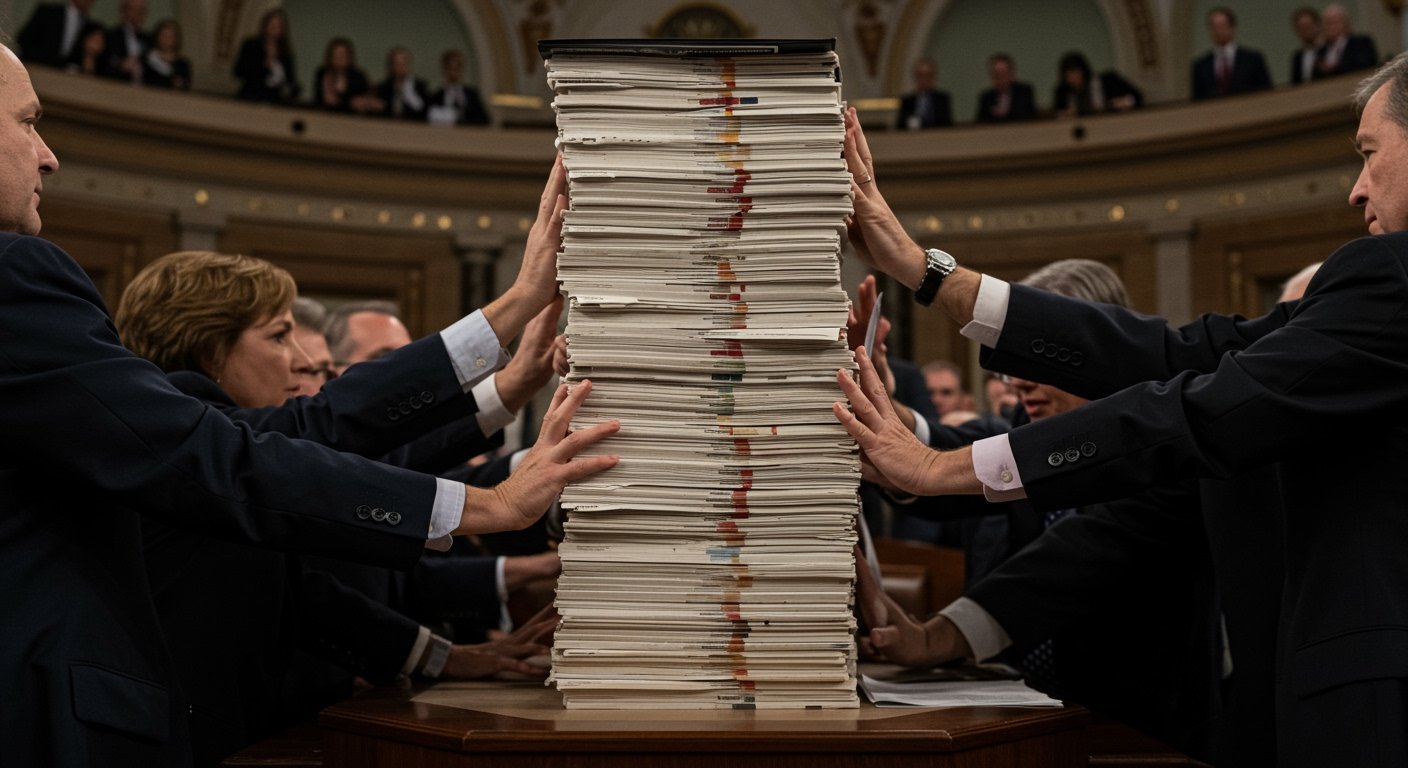

Beyond the sterile language of the courtroom, the ripple effects of this litigation are being felt by election administrators across the country. Election officials in pivotal states are currently in the process of finalizing printing contracts, training poll workers, and programming ballot scanning machines. The constant uncertainty—caused by an executive order that is now suspended for the second time—places an immense logistical strain on these offices.
The Administrative Tug-of-War
State-level election boards have expressed frustration with the inconsistent signaling from the federal level. In states like Arizona, Georgia, and Pennsylvania, officials are attempting to prepare for a high-turnout 2026 cycle while simultaneously preparing ‘Plan B’ scenarios should the administration’s order be reinstated by a higher court. This ‘dual-track’ preparation is costly, time-consuming, and prone to error, leading to widespread concerns about the potential for widespread administrative mistakes or delays when ballots are eventually cast.
Furthermore, the rhetoric surrounding this order has hardened partisan lines. Supporters of the executive order view the court’s intervention as judicial activism, arguing that the administration has a duty to protect the ‘integrity’ of the vote. Opponents, meanwhile, characterize the order as a systemic attack on voter access, specifically targeting policies that were expanded during the pandemic era. As the midterm cycle accelerates, this legal battle is poised to become a central issue in campaign debates, with candidates forced to weigh in on whether they support federal intervention in state-run elections.
The Future of Voter Turnout
Historical analysis of similar legal challenges suggests that when election rules are in flux, public confidence in the process can become volatile. Data from previous cycles indicates that complex or frequently changing mail-in ballot requirements often correlate with higher rates of spoiled ballots or ballots rejected due to clerical errors. If the legal back-and-forth persists, the ultimate victim may be the voter, whose ability to navigate the system is compromised by conflicting information about eligibility, deadlines, and verification requirements.
FAQ: People Also Ask
Q: Why was the executive order blocked for a second time?
A: The court ruled that the administration failed to adequately address the legal deficiencies identified in the first ruling, specifically concerning the lack of congressional authorization for sweeping changes to state-run election procedures.
Q: Does this ruling affect all 50 states?
A: Yes, the executive order was framed as a national directive, so the injunction applies nationwide, effectively halting the administration’s attempt to force uniform mail-in ballot rules across all jurisdictions.
Q: What is the next step for the administration?
A: The administration is widely expected to appeal this decision to the relevant Circuit Court of Appeals, seeking an emergency stay of the injunction to allow the rules to take effect before the midterm elections begin.
Q: Can states still set their own mail-in voting rules?
A: Yes. Until or unless a higher court rules otherwise, states retain their constitutional authority to manage their own election administration, including the verification and processing of mail-in ballots.