US Army Secretary Dan Driscoll has officially submitted his resignation following months of escalating friction with Secretary of Defense Pete Hegseth, setting off a wave of uncertainty regarding the Pentagon’s immediate strategic direction and administrative stability. The resignation, which concludes a tumultuous tenure, marks a significant rupture in the upper echelons of the U.S. defense establishment. Sources confirm that Driscoll is expected to finalize his departure from the Pentagon in the coming days, leaving the Department of the Army in a precarious state of transition as the White House scrambles to find a successor capable of navigating the strained relationship between the Army’s civilian leadership and the Office of the Secretary of Defense.
Key Highlights
- Resignation Confirmed: US Army Secretary Dan Driscoll has tendered his resignation after months of persistent policy and personnel disputes with Secretary of Defense Pete Hegseth.
- Core Conflict: The friction stems from fundamental disagreements regarding the U.S. Army’s long-term strategic direction and the controversial, systemic removal of senior military officers.
- Immediate Impact: Driscoll is slated to vacate his office in the coming days, necessitating an immediate interim leadership strategy within the Pentagon.
- Organizational Fallout: The resignation raises critical questions about civilian oversight, the influence of the Office of the Secretary of Defense over branch-specific staffing, and the future of modernization programs.
The Strategic Schism: Personnel and Policy at the Pentagon
The resignation of Dan Driscoll is not an isolated incident but the culmination of a broader, months-long deterioration in relations between the Army Secretariat and Secretary of Defense Pete Hegseth. While public-facing communications have remained guarded, internal Pentagon discourse reveals a profound divide regarding the modernization of the force and, more significantly, the personnel management practices currently dominating the Department of the Army.
The Personnel Purge Controversy
At the heart of the friction is the rapid and often contentious removal of senior Army officers. Observers close to the situation suggest that Secretary Hegseth pushed for aggressive changes in the leadership structure of key combat divisions and training commands—a move that Driscoll reportedly viewed as potentially destabilizing to institutional readiness. The disagreement centered on whether these reassignments were driven by objective performance metrics or political maneuvering, a distinction that has created significant friction between career staff and the political appointees of the current administration. For Driscoll, the integrity of the officer corps was a red line; for Hegseth, the ability to rapidly install leadership aligned with his vision for a leaner, more agile force was paramount.
Strategic Direction and Modernization
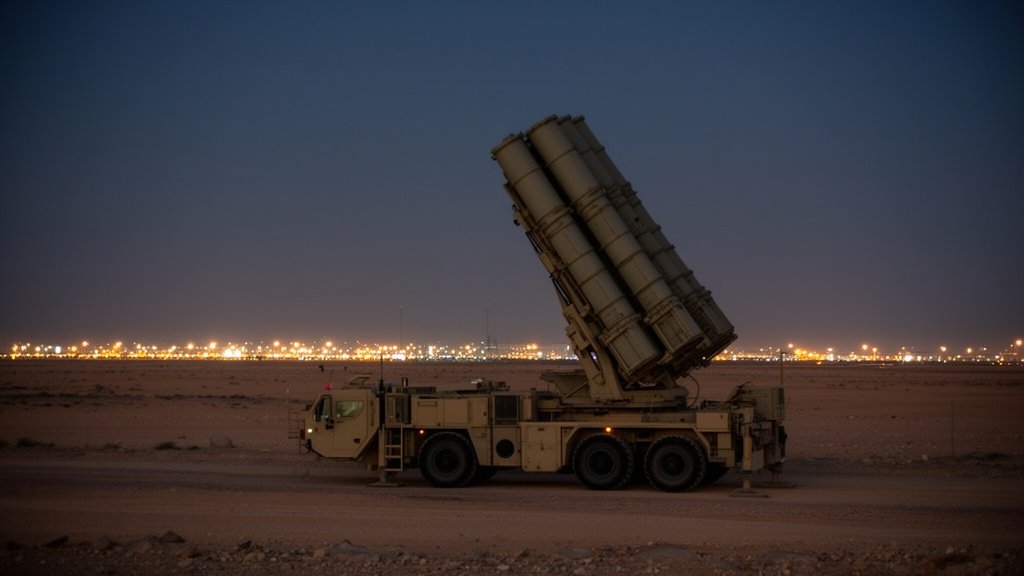

Beyond personnel, the two leaders clashed over the fiscal and strategic prioritization of the Army’s modernization programs. The U.S. Army is currently navigating a complex transition period, attempting to balance legacy readiness with the development of new long-range precision fires, next-generation combat vehicles, and advanced electronic warfare capabilities. Driscoll reportedly advocated for a slower, more deliberate integration of these systems to ensure logistical support and soldier training were not compromised. Conversely, Hegseth favored a ‘speed-first’ approach, demanding accelerated timelines that sources claim risked the long-term sustainability of the force. This impasse resulted in a paralysis of decision-making, which ultimately made Driscoll’s position untenable.
Historical Context: The Civilian-Military Tug-of-War
The dynamic between a Secretary of the Army and the Secretary of Defense is historically designed to be one of alignment and support. However, when the lines of authority blur, crises like this become inevitable. Historically, the Secretary of the Army serves as the civilian administrator, while the Secretary of Defense holds the broader strategic and operational mandate. When these roles conflict, it often signals a breakdown in the chain of command, as witnessed during previous high-profile resignations in the Pentagon. This specific rift highlights the inherent tension in the U.S. defense structure: the push and pull between the political desire for rapid institutional transformation and the military’s bureaucratic inertia, which serves as a safeguard against erratic shifts in doctrine.
The Road Ahead: Potential Future Predictions
With Driscoll’s departure imminent, the Department of the Army enters a period of high vulnerability. The selection of an acting secretary—and eventually a permanent replacement—will serve as a bellwether for how the Pentagon intends to move forward. If the administration appoints an individual with a background in drastic, top-down reform, it signals an endorsement of Hegseth’s hardline stance, which may lead to further attrition of senior military leadership. Conversely, should they appoint a consensus-builder, it may suggest a retreat from the current aggressive strategic pivot. Regardless of the choice, the Pentagon must now contend with a morale crisis among senior officers who have witnessed the systematic sidelining of their peers, a reality that could impact recruitment and retention of the top-tier talent required to man the future force.
FAQ: People Also Ask
Will Dan Driscoll’s resignation affect ongoing Army modernization programs?
While the official stance is that modernization is an institutional process rather than a personal one, the departure of the leader responsible for budget oversight and legislative engagement will inevitably cause delays. Project timelines may shift as a new secretary assesses the current commitments.
Who is expected to replace Dan Driscoll?
While no formal announcements have been made, speculation is mounting regarding several candidates with deep backgrounds in defense acquisitions and legislative affairs. The White House is expected to prioritize a candidate capable of stabilizing the relationship with Secretary Hegseth.
Is the ‘removal of senior officers’ a normal Pentagon procedure?
Regular personnel turnover is standard. However, the nature and frequency of these removals under the current administration—specifically being driven by the Secretary of Defense rather than the Joint Chiefs—has been cited as atypical and a primary source of internal friction.
What does this mean for the U.S. Army’s readiness in the coming months?
In the short term, leadership gaps can lead to administrative bottlenecks. However, the Army’s operational readiness—directed by the Chief of Staff of the Army and the operational commanders—remains distinct from the administrative management handled by the Secretariat. Day-to-day operations are expected to continue without immediate disruption.