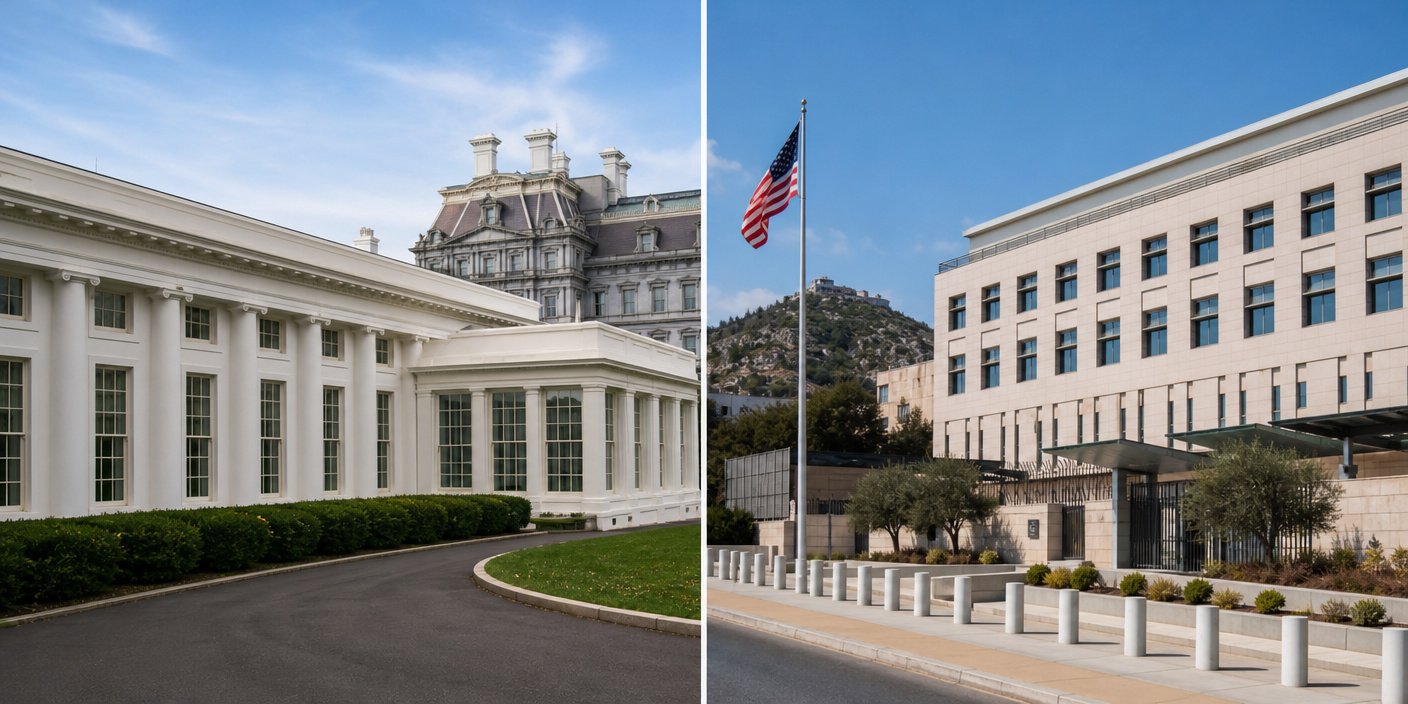
In a pivotal restructuring of the administration’s communications and diplomatic ranks, the White House has officially appointed Katie Zacharia as the new Press Secretary, succeeding Karoline Leavitt. This significant shift in the President’s public-facing apparatus is being executed alongside a high-stakes personnel decision in the diplomatic corps: President Trump has requested the immediate resignation of U.S. Ambassador to Greece, Kimberly Guilfoyle, amid escalating concerns regarding donor access to diplomatic channels.
Key Highlights
- Katie Zacharia has been named the new White House Press Secretary, effective immediately, marking the end of Karoline Leavitt’s tenure.
- President Trump has formally requested the resignation of U.S. Ambassador to Greece, Kimberly Guilfoyle, amid investigations into unauthorized donor access.
- The White House communications team is undergoing a strategic realignment aimed at tightening control over the administration’s public narrative.
- The Department of State is expected to initiate standard protocols for the ambassadorial vacancy in Athens.
A Strategic Reset: The Zacharia Era and White House Communications
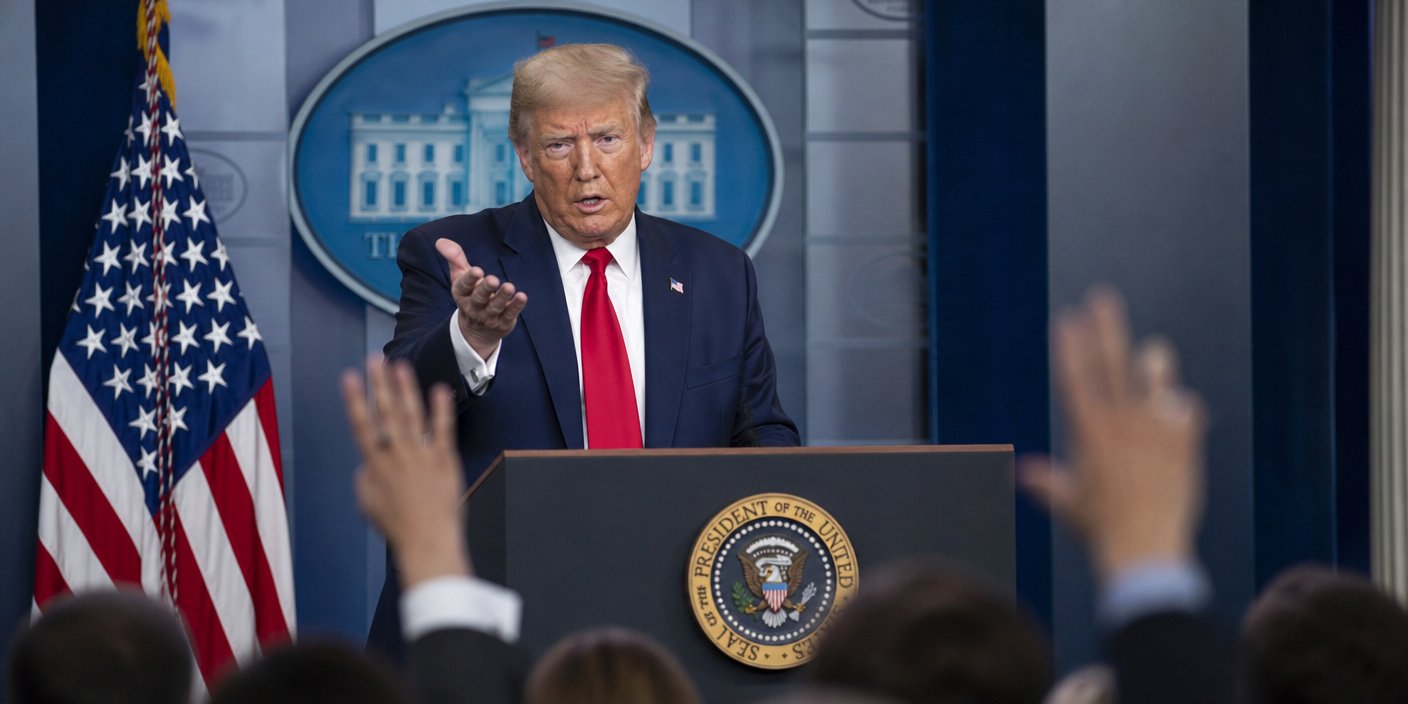
The appointment of Katie Zacharia to the position of White House Press Secretary represents a calculated pivot for the Trump administration. Replacing Karoline Leavitt is not merely a change in personnel; it signifies a strategic recalibration of the administration’s communication philosophy. Press Secretaries act as the primary interface between the executive branch and the Fourth Estate, and in high-pressure political environments, the choice of messenger is as critical as the message itself.
The Shift in Messaging Strategy
Historically, the press secretary role under the Trump administration has been defined by a combative, direct-to-public approach. Sources close to the White House suggest that Zacharia is expected to maintain this aggressive stance while potentially streamlining internal briefings to ensure greater message discipline. The transition comes at a time when the administration is navigating a complex web of legislative priorities and international crises. By installing Zacharia, the President is betting on a new voice to articulate the administration’s objectives with renewed intensity, particularly as the White House prepares to counter opposition narratives regarding its domestic policy agenda.
Challenges for the New Press Office
Zacharia inherits a fast-moving news cycle. The administration faces the dual challenge of defending policy decisions while mitigating the impact of ongoing controversies, such as the ambassadorial resignation in Greece. Her ability to navigate these waters will depend largely on her access to the President’s inner circle. Historically, the most effective Press Secretaries have been those who operate as true extensions of the President’s own thinking—a dynamic that is likely to be tested in the coming weeks as she steps into the daily firestorm of the briefing room.
Diplomatic Fallout: Ambassador Guilfoyle’s Departure and the Donor Nexus
While the communications reshuffle captures the domestic media’s attention, the forced resignation of Kimberly Guilfoyle, the U.S. Ambassador to Greece, represents a far more sensitive international development. Ambassadorial positions are traditionally seen as the pinnacle of diplomatic service, often reserved for political allies or seasoned career diplomats. However, the intersection of political fundraising and diplomatic access has historically been a perilous terrain.
The Donor Access Controversy
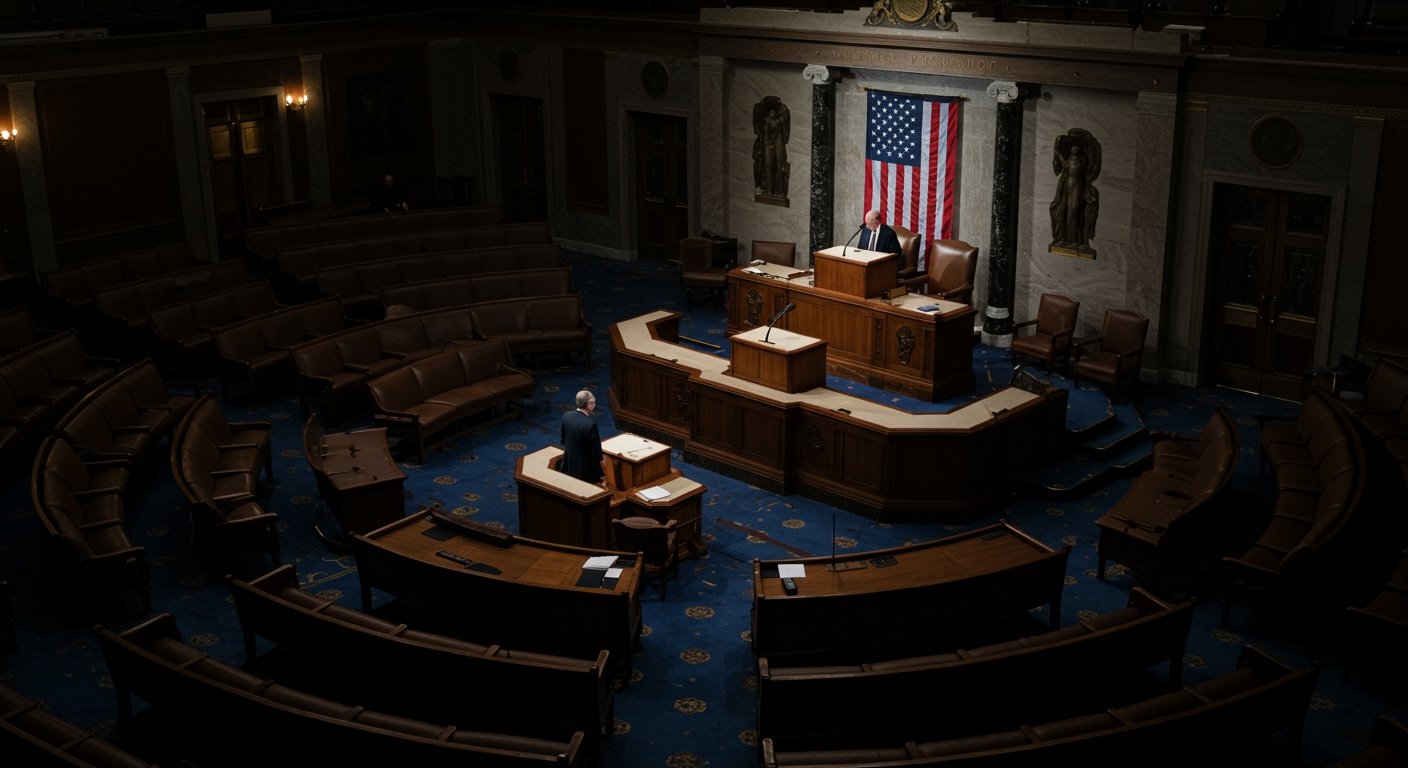



Reports indicate that the request for Guilfoyle’s resignation stems from allegations concerning the influence of private donors on official diplomatic business. In the realm of international relations, the principle of ‘pay-to-play’ is strictly scrutinized. The State Department maintains rigorous protocols meant to insulate foreign policy decisions from the influence of campaign contributions. The current allegations suggest that those barriers may have been compromised during Guilfoyle’s tenure in Athens.
Such allegations, if substantiated, do more than just end a career; they undermine the credibility of U.S. diplomatic missions abroad. For the United States, the mission in Greece is vital, serving as a cornerstone for NATO operations in the Eastern Mediterranean and a strategic ally in regional stability. When an ambassador becomes the subject of a scandal involving donor access, it complicates bilateral negotiations and provides diplomatic leverage to regional rivals. The White House’s decision to request her resignation is an attempt to excise this liability before it blossoms into a larger, more damaging international incident.
The State Department’s Role in Transition
Following the demand for resignation, the Department of State must now manage the vacuum left in Athens. This process involves the appointment of a Chargé d’Affaires to serve as the acting head of the mission until a new, Senate-confirmed ambassador can be nominated. This transition period is critical, as it requires the embassy to maintain continuity in its work on energy infrastructure projects and defense cooperation agreements. The administration will likely prioritize a nominee with unimpeachable credentials to restore confidence in the U.S.-Greece diplomatic relationship.
Future Implications for the Administration
The combined impact of these two moves—the press office overhaul and the ambassadorial dismissal—suggests a President seeking to tighten his ship. Whether through personnel changes or aggressive pruning of staff involved in questionable practices, these moves indicate a push toward a ‘cleanup’ phase.
The Broader Political Context
Historically, administrations in their later stages or during mid-term cycles often undergo significant personnel turnover. However, the specific nature of these exits—one for strategic realignment, one for ethical accountability—shows that the President is attempting to balance the need for loyal, effective communication with the political necessity of optics. If the administration can successfully pivot the conversation away from the Guilfoyle scandal and toward the achievements of the new communications team, they may avoid a sustained period of negative news coverage. Failure to do so, however, could lead to prolonged scrutiny from congressional oversight committees, which are always eager to investigate potential instances of donor-driven influence in the executive branch.
FAQ: People Also Ask
Who has replaced Karoline Leavitt as White House Press Secretary?
Katie Zacharia has been appointed as the new White House Press Secretary, officially succeeding Karoline Leavitt in a move aimed at refreshing the administration’s communications strategy.
Why was Kimberly Guilfoyle asked to resign as Ambassador to Greece?
President Trump requested Kimberly Guilfoyle’s resignation following allegations involving the use of her diplomatic position to grant unauthorized access to political donors, a practice that risks violating strict federal guidelines regarding donor influence in foreign policy.
What are the next steps for the U.S. Embassy in Greece?
The Department of State will appoint a Chargé d’Affaires to manage the U.S. Embassy in Athens on an interim basis. The administration will subsequently need to nominate a new ambassador, who will then undergo a standard confirmation process by the U.S. Senate.
How does this shakeup affect White House media relations?
The appointment of Zacharia is expected to signal a more disciplined, albeit aggressive, approach to media relations, as the White House attempts to regain control of the narrative surrounding its recent personnel and policy challenges.