Skip to content
Trending
September 9, 2025Apple Unveils “Awe Dropping” iPhone 17 Series, New Apple Watches, and AirPods Pro 3 with Focus on Design and Intelligence July 9, 2025Health Organizations Urge Congress to Protect Crucial Preventive Care Task Force Amid HHS Postponement May 16, 2025U.S. Overdose Deaths Plummet by Record 27% in 2024, CDC Data Reveal Major Shift July 25, 2025AP News Roundup: Gaza Ceasefire Talks Stalled, Starvation Crisis Deepens; Ukraine’s Anti-Graft Efforts, Trump-Powell Feud, and Maxwell Meeting April 8, 2025Trump Escalates Trade War: Threatens 50% Tariffs, Terminates China Negotiations Amid Market Havoc April 9, 2026NY Health Crisis: 500K Face Insurance Loss by July September 2, 2025Top World News: Gaza Aid Flotilla Departs Barcelona, Vowing to Break Blockade Amidst Severe Humanitarian Crisis December 23, 2025AI Deciphers Superconductivity Mechanism in New Material: Tohoku University and Fujitsu Announce Breakthrough February 8, 2025Federal Judge Blocks Musk’s DOGE from Accessing Sensitive US Treasury Payment Data August 4, 2025Tyson Foods Posts Strong Sales Growth in Q3 2025 Amid Mixed Earnings
  • Home
  • Top Stories
  • National News
  • Health
  • Business
  • Tech & Innovation
  • Entertainment
  • Politics
  • Culture & Society
  • Crime & Justice
  • Editorial
  • Home
  • Top Stories
  • National News
  • Health
  • Business
  • Tech & Innovation
  • Entertainment
  • Politics
  • Culture & Society
  • Crime & Justice
  • Editorial
  • Blog
  • Forums
  • Shop
  • Contact
  Editorial  US Extends ‘Liberation Day’ Tariff Deadline to August 1 Amidst Trade Talks
Editorial

US Extends ‘Liberation Day’ Tariff Deadline to August 1 Amidst Trade Talks

angela Brooksangela Brooks—July 8, 20250
FacebookX TwitterPinterestLinkedInTumblrRedditVKWhatsAppEmail

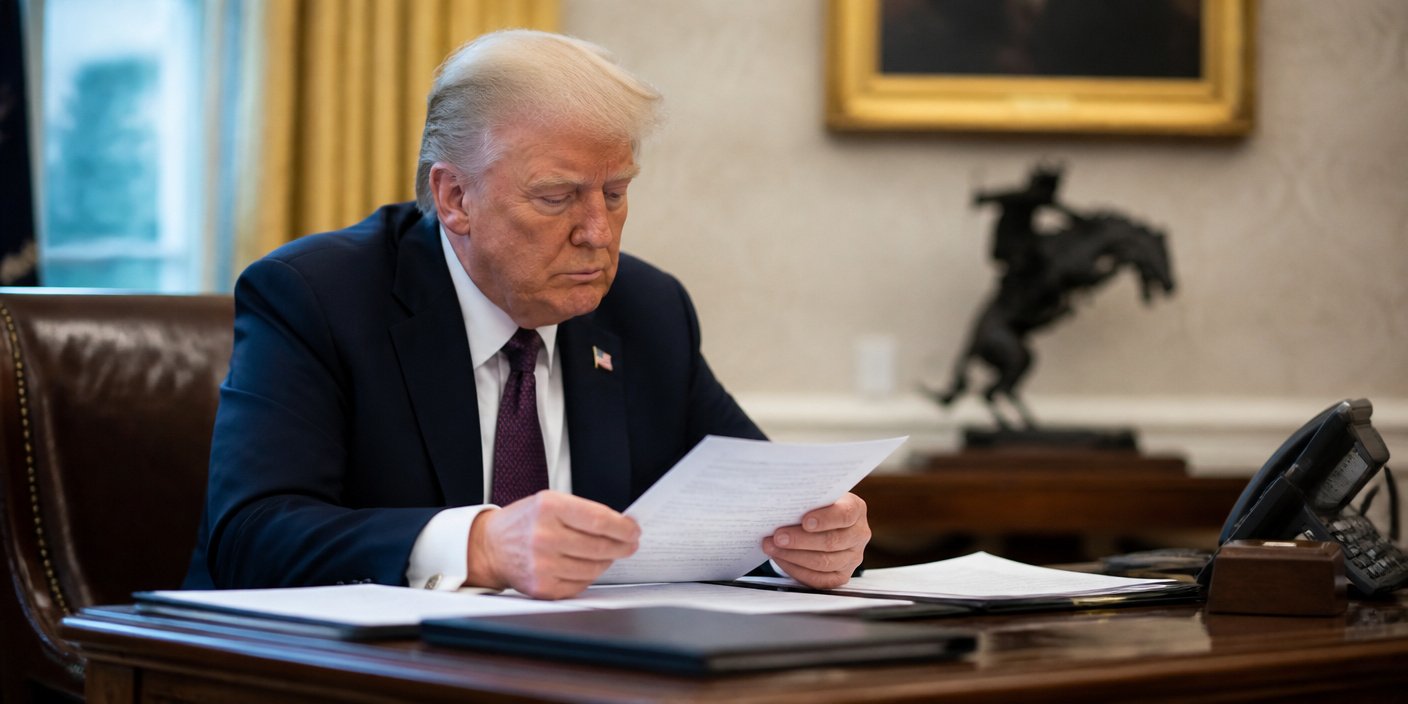
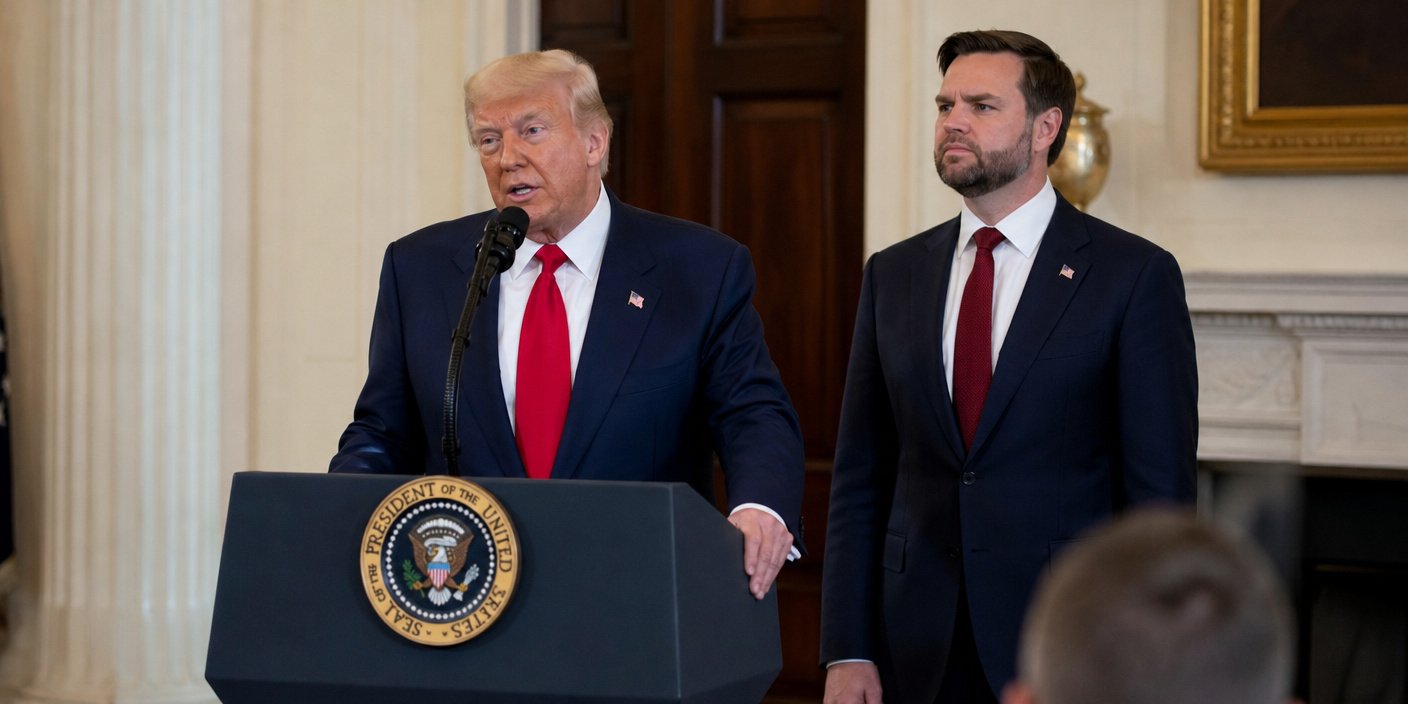
Washington, D.C. – The United States has announced an extension of the implementation date for its controversial “Liberation Day” reciprocal tariffs, pushing the effective date from the previously set July 9 to August 1, 2025. The delay, communicated through an update on President Donald Trump’s social media platform, provides affected nations with additional time to potentially finalize interim trade agreements with the U.S. before the new duties take effect.

Initially announced by President Trump on April 2, the “Liberation Day” tariffs were poised to dramatically alter trade relationships with a range of countries. The postponement to August 1 underscores ongoing diplomatic and economic negotiations as the administration seeks what it describes as “more fair and balanced” trade relationships globally.

New Tariff Rates and Affected Countries

The latest announcement outlines the specific tariff rates that are now scheduled to commence on August 1 for 14 targeted countries. These rates vary significantly, reflecting distinct assessments of trade imbalances or practices by the U.S. government.

More stories

US President Vows Major Tariff Hike on Indian Exports Amid Escalating Trade Disputes

August 6, 2025

Judge Slams DOJ, Quashes Subpoenas in Jerome Powell Probe

March 13, 2026

DC Shooting Claims National Guard Life; Trump Orders Immigration Freeze

November 28, 2025

Trump Administration Issues New Executive Order Targeting Federal Unions Ahead of Labor Day

August 31, 2025

Key tariffs set to take effect include:

* A 25 percent tariff on goods imported from Malaysia, Tunisia, and Kazakhstan.
* A 30 percent tariff on imports originating from South Africa and Bosnia and Herzegovina.
* A 32 percent tariff specifically targeting Indonesian products.
* A 35 percent tariff on goods from Serbia and Bangladesh.
* A 36 percent tariff impacting imports from Cambodia and Thailand.
* A substantial 40 percent tariff placed on products from Laos and Myanmar.

These newly specified rates come in addition to previously announced 25 percent tariffs on imports from key Asian trading partners, Japan and South Korea, which remain part of the broader tariff framework.

Rationale Behind the Extension

The White House issued a statement confirming the extension, which was formally effectuated by Executive Order 14266. According to the administration, the decision was based on “additional information and recommendations” received since the initial April 2 announcement. This includes, significantly, the status of ongoing discussions with various trading partners. The extension is framed as an opportunity for these nations to address U.S. trade concerns and potentially reach agreements that could alter or avert the impending tariffs.

Warning Against Retaliation

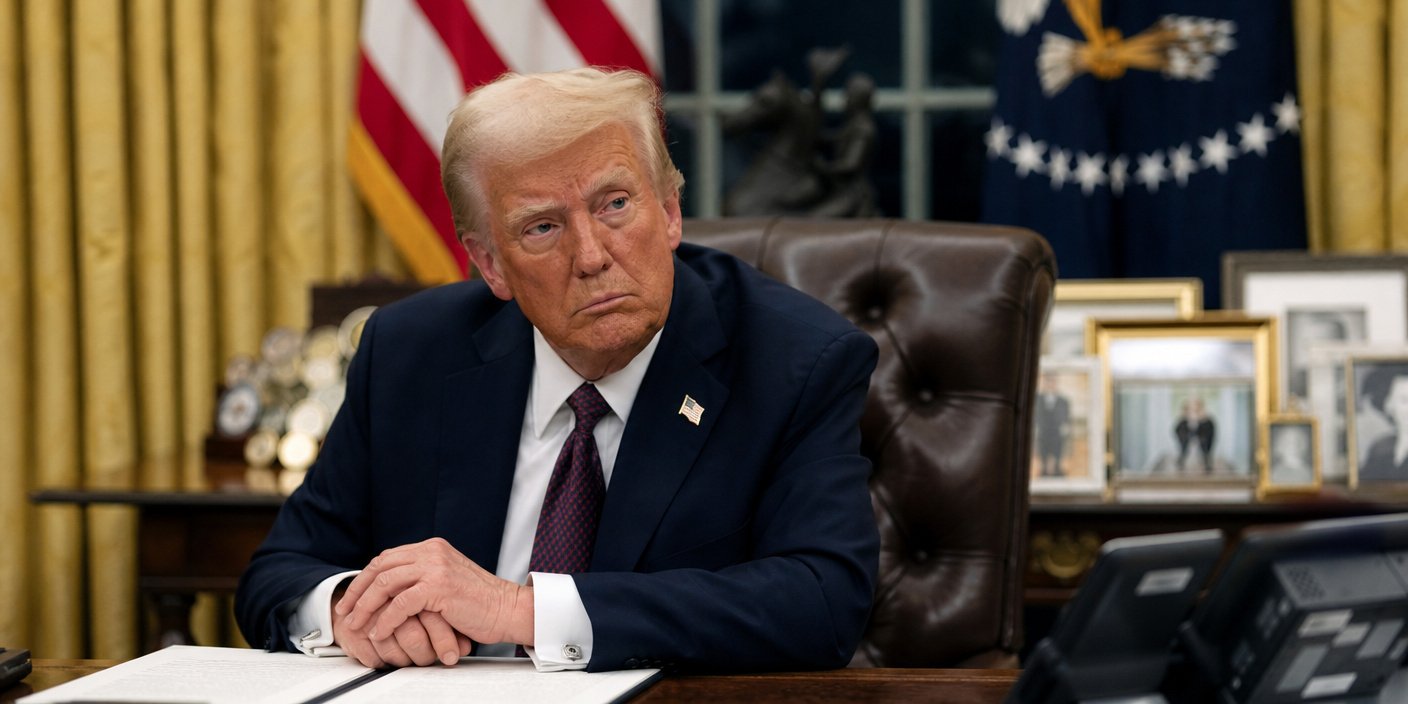
Alongside the public announcement, President Trump conveyed direct warnings to the leaders of the affected countries. In letters sent on Monday, he cautioned against any potential retaliatory tariffs or trade measures in response to the U.S. action. The president stated unequivocally that implementing such counter-measures would trigger further increases in U.S. import duties, signaling a readiness to escalate trade pressures as part of his administration’s strategy for achieving what he terms “more fair and balanced” trade relationships.

This firm stance reinforces the administration’s position that the tariffs are a tool to compel trade partners to renegotiate terms perceived as unfavorable to the United States.

Notable Omission: India

Notably absent from the list of countries that received tariff letters on Monday was India. This omission is significant given that India is currently engaged in negotiations for a trade pact with the United States. The exclusion suggests that while many nations face immediate tariff threats designed to spur concessions, countries actively pursuing comprehensive trade agreements with Washington may be temporarily exempt from this particular pressure tactic as negotiations proceed.

Looking Ahead to August 1

The extension to August 1, 2025, sets a new deadline for these international trade tensions. The coming months are expected to be crucial for the listed countries as they assess their options: finalize interim deals, brace for the tariffs, or risk potential escalation by implementing retaliatory measures. The global trade landscape remains highly fluid as the U.S. administration continues to leverage tariffs as a primary instrument of its trade policy, fundamentally reshaping relationships and supply chains worldwide.
author avatar
angela Brooks
Angela Brooks brings over 12 years of experience in financial journalism to the USA Sentinel team. Specializing in energy markets and global economic shifts, she provides in-depth analysis of how international conflicts and sanctions influence domestic inflation and fuel prices. Angela’s expertise in macroeconomic trends ensures that Sentinel readers receive sophisticated, forward-looking financial reporting.
See Full Bio
FacebookX TwitterPinterestLinkedInTumblrRedditVKWhatsAppEmail

angela BrooksEconomic & Global Markets Editor / USA Sentinel

Angela Brooks brings over 12 years of experience in financial journalism to the USA Sentinel team. Specializing in energy markets and global economic shifts, she provides in-depth analysis of how international conflicts and sanctions influence domestic inflation and fuel prices. Angela’s expertise in macroeconomic trends ensures that Sentinel readers receive sophisticated, forward-looking financial reporting.

President Trump Dismisses Elon Musk’s ‘America Party’ Threat, Calling Billionaire a ‘TRAIN WRECK’ Amidst Tax Bill Feud
Israeli PM Benjamin Netanyahu Nominates Donald Trump for Nobel Peace Prize at White House Dinner
Related posts
  • Related posts
  • More from author
Editorial

Philly Roars: 250th Birthday Bash & World Cup Fever

July 10, 20260
Editorial

Formula Safety: Botulism Fears Spark New Bill

July 8, 20260
Editorial

Survivors & Faith Leaders Target ICE Center

June 28, 20260
Load more
Read also
Politics

Trump’s Dual Iran Stance: Might & Diplomacy

July 10, 20260
Entertainment

Stones Still Rocking: ‘Foreign Tongues’ Proves Longevity

July 10, 20260
Editorial

Philly Roars: 250th Birthday Bash & World Cup Fever

July 10, 20260
Business

SK Hynix Makes Landmark Nasdaq Debut Amidst Broader Asian Market Gains and Oil Price Dip

July 10, 20260
National News

Trump Ousts Election Chiefs Before Midterms

July 10, 20260
Top Stories

Hormuz Deal Shattered: US, Iran Clash Amid Navigation Fears

July 9, 20260
Load more

Recent Posts

  • Trump’s Dual Iran Stance: Might & Diplomacy
  • Stones Still Rocking: ‘Foreign Tongues’ Proves Longevity
  • Philly Roars: 250th Birthday Bash & World Cup Fever
  • SK Hynix Makes Landmark Nasdaq Debut Amidst Broader Asian Market Gains and Oil Price Dip
  • Trump Ousts Election Chiefs Before Midterms

Recent Comments

No comments to show.
    © Copyright 2025, All Rights Reserved
    • About
    • Privacy
    • Contact