A new blueprint from President Biden’s Counterterrorism Czar has sparked outrage, with critics alleging it disproportionately targets left-wing movements while downplaying far-right extremism and offering undue praise to former President Trump.
Key Highlights:
- The blueprint reportedly focuses heavily on perceived threats from the left.
- Critics argue it neglects the significant danger posed by far-right extremist groups.
- The document includes language seen as favorable to Donald Trump and his supporters.
- Civil liberties advocates express concern over potential overreach and biased surveillance.
The Dubious Blueprint: A Deep Dive into Counterterrorism’s Partisan Divide
The recently unveiled counterterrorism strategy, spearheaded by Biden’s appointed Czar, is facing intense scrutiny for its perceived ideological slant. Sources familiar with the document indicate a significant portion of its focus is directed towards identifying and mitigating threats emanating from progressive and left-leaning groups. This emphasis has drawn sharp criticism from civil liberties organizations and political opponents who argue that the blueprint fails to adequately address the escalating threat posed by domestic far-right extremism, including white supremacist and anti-government movements.
Unequal Focus on Extremism
Critics point to the document’s disproportionate allocation of resources and analytical attention towards left-wing activism. They contend that this approach overlooks the documented rise in violence and radicalization associated with far-right ideologies. Reports suggest the blueprint omits or significantly downplays incidents and trends linked to these groups, creating a misleading picture of the current domestic terror landscape. This selective focus raises concerns about the effectiveness of the strategy in safeguarding national security against the full spectrum of extremist threats.
Favorable Language Towards Trump
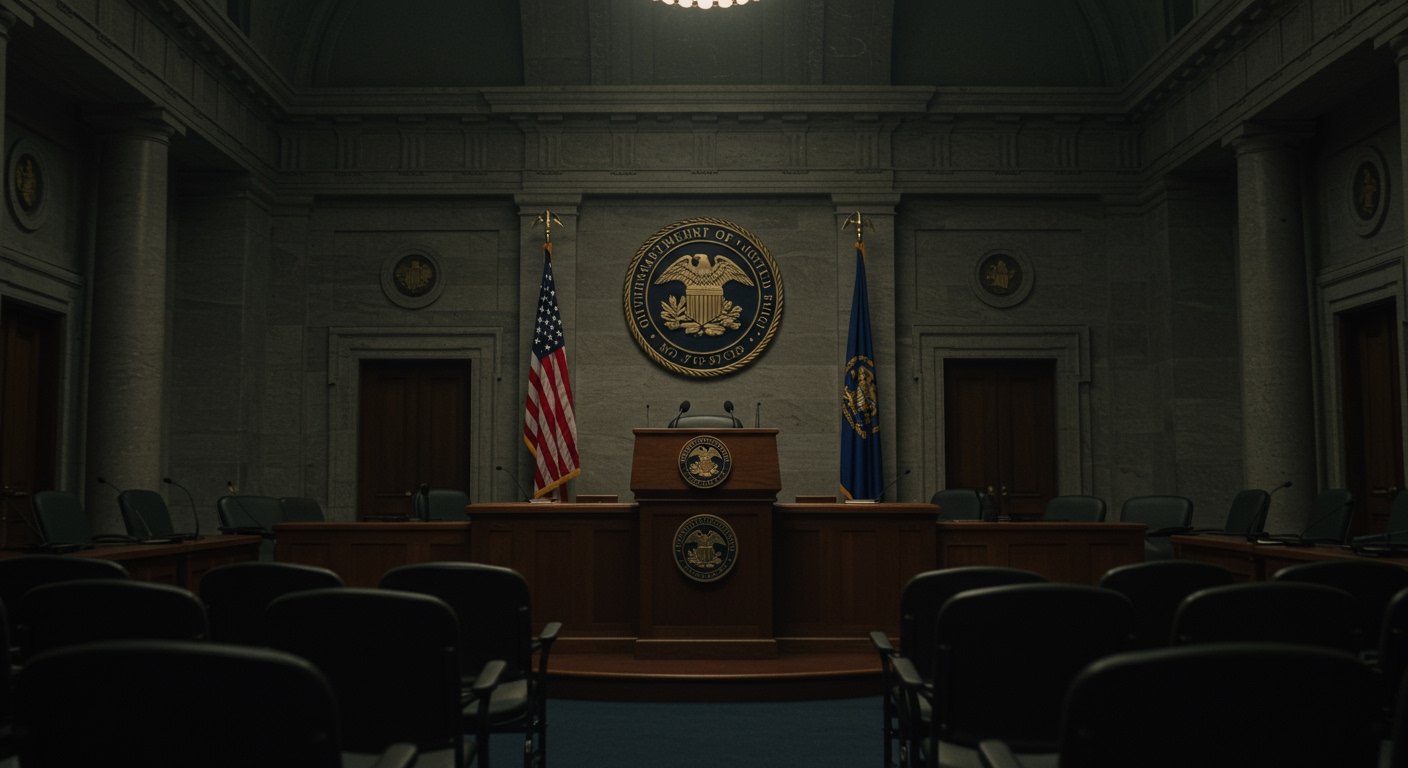

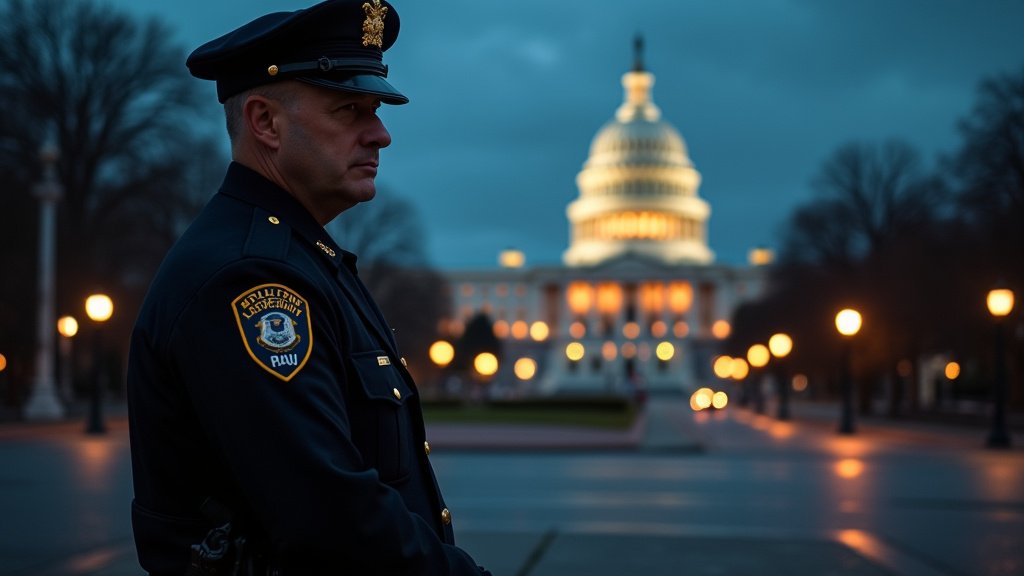

Adding to the controversy, the blueprint reportedly contains language that appears to praise or offer favorable assessments of former President Donald Trump and his administration’s counterterrorism efforts. This aspect has been particularly jarring for those who believe Trump’s rhetoric and policies have, in some instances, emboldened extremist elements. The inclusion of such commentary is seen by many as politically motivated and undermines the perceived objectivity of the counterterrorism strategy.
Civil Liberties and Overreach Fears
Beyond the partisan criticisms, there are significant concerns regarding the potential for civil liberties violations. When counterterrorism efforts are perceived as ideologically driven, there is an increased risk of unwarranted surveillance, profiling, and suppression of legitimate dissent. Advocates warn that such a blueprint could be used to target political opponents, stifle free speech, and erode public trust in law enforcement and intelligence agencies. The emphasis on certain groups over others can create a chilling effect on activism and political participation.
Historical Context of Political Policing
It is important to consider the historical context of how counterterrorism frameworks have been applied. In the past, various administrations have been accused of using national security concerns to target political movements, particularly those on the left. This current blueprint, to some critics, echoes these historical patterns, suggesting a continued susceptibility to political influence within national security apparatuses. Understanding this history is crucial to evaluating the potential long-term implications of the Czar’s strategy.
FAQ: People Also Ask
What is a Counterterrorism Czar?
A Counterterrorism Czar is a high-ranking official appointed by a government to coordinate and oversee all aspects of counterterrorism efforts across various agencies and departments. Their role involves developing strategies, allocating resources, and ensuring effective collaboration to prevent and respond to terrorist threats.
Why is there concern about the focus on left-wing groups?
Concerns arise because critics argue that focusing disproportionately on left-wing groups may neglect or underemphasize threats from other extremist ideologies, particularly far-right extremism, which has been linked to a significant number of domestic terror incidents. This perceived imbalance can lead to an ineffective allocation of security resources and potentially leave the nation vulnerable to a wider range of threats.
How might this blueprint affect civil liberties?
If the blueprint is perceived as politically biased, it could lead to unwarranted surveillance, profiling, and suppression of legitimate political dissent. Critics fear that such a focus could be used to target specific political groups, thereby infringing upon rights to free speech, assembly, and association.
What is the significance of praise for Donald Trump in the document?
The inclusion of praise for Donald Trump or his past counterterrorism efforts in a current strategy document is seen by critics as a politically motivated endorsement that could compromise the perceived neutrality and objectivity of the Biden administration’s counterterrorism approach. It raises questions about whether the strategy is based on genuine threat assessment or political considerations.
What are the potential consequences of ignoring far-right extremism?
Ignoring or downplaying the threat of far-right extremism can have severe consequences, including an increase in violent incidents perpetrated by these groups, a lack of adequate resources dedicated to monitoring and disrupting their activities, and a failure to protect communities that are disproportionately targeted by such movements.