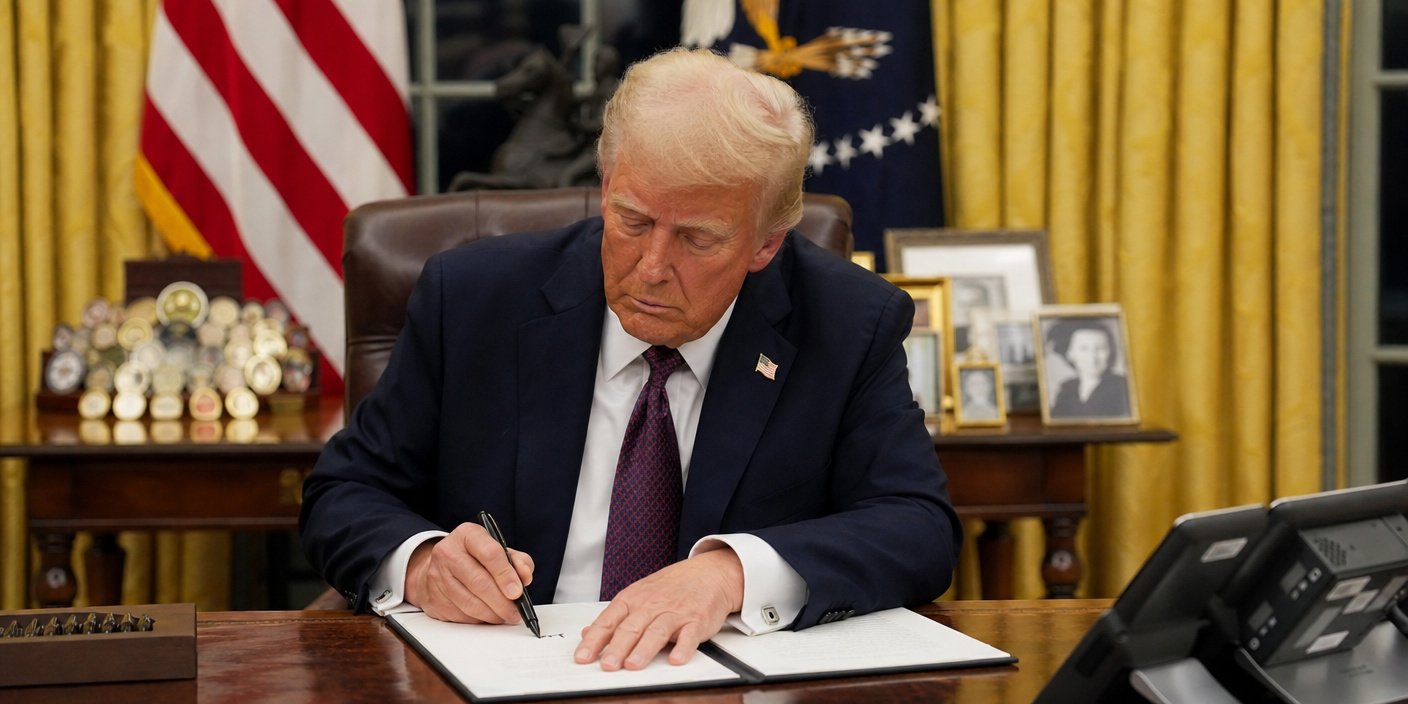
U.S. Secretary of State Marco Rubio’s arrival in Tashkent, Uzbekistan, signals a decisive moment for American foreign policy, as the administration doubles down on its engagement with the C5+1—a diplomatic platform connecting the United States with Kazakhstan, Kyrgyzstan, Tajikistan, Turkmenistan, and Uzbekistan. This visit is far more than a ceremonial stop; it is an aggressive push to integrate Central Asian markets into global supply chains while recalibrating security architectures in a region historically dominated by Russia and increasingly courted by China. As Rubio navigates complex diplomatic waters, the trip highlights a fundamental question: can the U.S. truly provide a viable alternative to the gravitational pull of regional powers, or is this policy pivot too little, too late?
Key Highlights
- Strategic Realignment: The U.S. is leveraging the C5+1 framework to deepen economic ties and foster regional integration, aiming to reduce Central Asian reliance on traditional neighbors.
- The ‘Middle Corridor’ Focus: Central to the talks is the Trans-Caspian International Transport Route, a vital logistics artery designed to bypass Russian territory and connect Central Asian goods to European markets.
- Security and Sovereignty: Rubio’s agenda prioritizes security cooperation, including border control, counter-terrorism, and cybersecurity, framed as essential components of maintaining the sovereignty of these post-Soviet states.
- Domestic Pushback: The Secretary faces intensifying criticism from domestic detractors who argue the diplomatic schedule prioritizes optics and foreign travel over pressing U.S. internal policy concerns.
A New Era of Trans-Caspian Diplomacy
The central thesis of Secretary Rubio’s visit to Uzbekistan is the economic and security decoupling of Central Asia from its traditional, Moscow-centric orbit. For decades, the economies of the ‘Stans’ have been inextricably linked to the Russian Federation through infrastructure, historical trade agreements, and energy reliance. Rubio’s mission, supported by the broader C5+1 initiative, aims to present a different value proposition: U.S. investment, technological partnership, and a commitment to market diversification.
The Logistics of the ‘Middle Corridor’
At the heart of the economic discussion is the ‘Middle Corridor,’ or the Trans-Caspian International Transport Route. This initiative represents a massive logistical shift, aiming to facilitate the movement of goods from China and Central Asia to Europe via the Caspian Sea, Azerbaijan, Georgia, and Turkey, completely circumventing Russian rails and roads. Washington’s interest here is clear: by facilitating trade, the U.S. strengthens the economic agency of these nations. If Uzbekistan and its neighbors can secure their own export pathways, they are less susceptible to economic coercion or political blackmail from regional hegemons. This economic resilience is not just a commercial win; it is a fundamental shift in the regional balance of power.
Security Architecture and Sovereignty



While economic ties dominate the headlines, the security dimension is equally critical. In meetings with Uzbek leadership, Secretary Rubio has focused on deepening cooperation in border security and counter-narcotics efforts. The U.S. view is that a stable, secure Central Asia is an indispensable buffer against instability originating from Afghanistan and a check on the unchecked expansion of influence by competing global powers. By offering training, modern equipment, and intelligence-sharing capabilities, the U.S. is positioning itself as the ‘partner of choice’ for security. However, this is a delicate diplomatic dance. Uzbekistan, under its current administration, has traditionally pursued a ‘multi-vector’ foreign policy—balancing ties between the U.S., Russia, and China. Rubio’s challenge is to offer enough security and economic incentive to persuade Tashkent to tilt, even slightly, toward a deeper, more singular American partnership without triggering immediate, destabilizing retaliation from its more powerful neighbors.
Addressing the Resource Gap
Central Asia is home to vast, untapped mineral reserves, including lithium, copper, and rare earth elements—the building blocks of the 21st-century green energy transition. As the U.S. looks to diversify its own critical mineral supply chains, the Uzbekistan mission takes on a distinct industrial urgency. Unlike previous diplomatic efforts that focused heavily on abstract democracy promotion, the current approach is rooted in tangible, pragmatic interest. The U.S. is pushing for partnerships that prioritize transparency, labor standards, and sustainability in mining, which appeals to a new generation of local technocrats looking to modernize their economies. By aligning U.S. capital with regional resource potential, Rubio is attempting to create a self-sustaining cycle of growth that strengthens the ties between Washington and Tashkent.
The Politics of the Trip: Critics and Realities
Despite the strategic merits of the visit, the optics have been challenged domestically. Critics of the administration have pointed to the Secretary’s busy travel schedule as evidence of a potential disconnect between international ambitions and domestic priorities. When the Secretary of State spends significant time in foreign capitals, they inevitably leave a political vacuum back in Washington. For some observers, the focus on Central Asia—a region that, while important, has often been on the periphery of American foreign policy—is seen as an example of ‘diplomatic tourism’ rather than a reflection of deep-seated policy change. These critics argue that unless these summits translate into concrete, measurable economic gains and lasting security agreements, they risk being seen as empty gestures.
However, supporters of the mission argue that foreign policy in the 21st century is zero-sum. If the U.S. is not physically present in Uzbekistan to advocate for its interests and those of its allies, other powers will fill that space immediately. From this perspective, the physical presence of a Cabinet-level official like Rubio is the only way to signal seriousness to regional leaders who operate in a culture where face-to-face engagement is the highest form of political capital. The visit is, therefore, a test of whether the U.S. has the stamina to sustain long-term engagement in a region that has historically been written off as ‘too far’ or ‘too difficult’ to influence. The ultimate success of the mission will not be determined by the handshakes in Tashkent today, but by the tangible outcomes of the trade deals and security initiatives that follow in the coming years.
FAQ: People Also Ask
What is the C5+1 forum?
The C5+1 is a diplomatic platform established in 2015 that facilitates cooperation between the five Central Asian states—Kazakhstan, Kyrgyzstan, Tajikistan, Turkmenistan, and Uzbekistan—and the United States. It focuses on economic connectivity, regional security, and humanitarian issues.
Why is the U.S. so focused on the ‘Middle Corridor’?
The ‘Middle Corridor’ is a critical trade route connecting Central Asia to Europe without passing through Russia. For the U.S., promoting this route is essential for diversifying global supply chains and reducing the economic leverage that Russia currently holds over Central Asian energy and goods exports.
What are the main criticisms of Secretary Rubio’s trip?
Critics primarily argue that the frequent international travel associated with his role detracts from his ability to manage domestic policy priorities and that the ‘optics’ of the trip may outweigh the tangible, immediate results for American citizens.
How does this trip affect U.S.-China relations?
By strengthening ties with Central Asian nations, the U.S. is effectively attempting to carve out more influence in a region where China has made significant infrastructure investments through the Belt and Road Initiative. It is a soft-power challenge to China’s regional economic dominance.