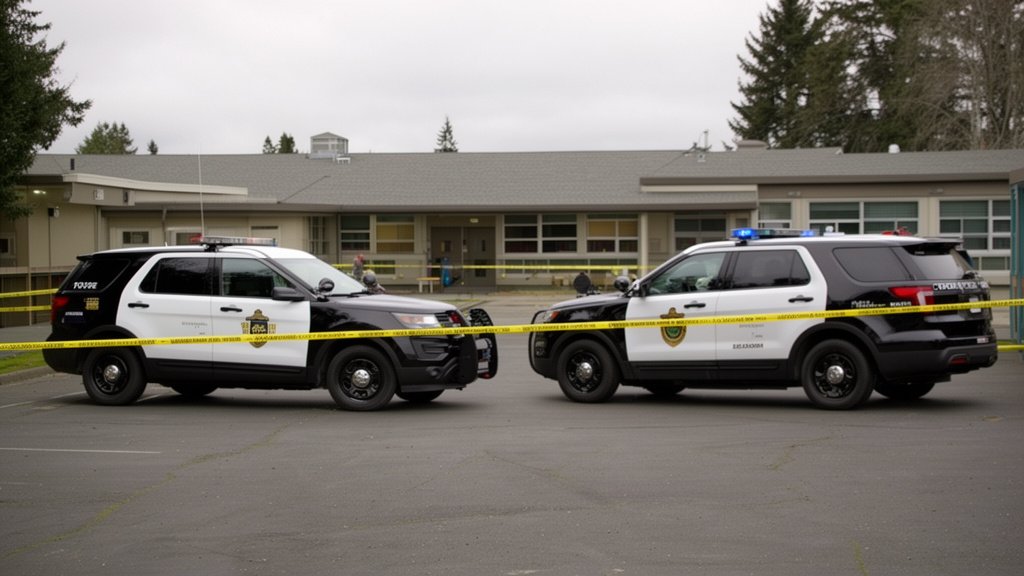
The Department of Homeland Security (DHS) and U.S. Customs and Border Protection (CBP) have officially reported that Fiscal Year 2026 resulted in the lowest volume of border encounters in recorded American history. This historic decline, highlighted by a staggering 95% decrease in southwest border apprehensions compared to previous periods, represents a significant recalibration of U.S. immigration and border enforcement policy under President Trump and Secretary Mullin. For the first time in the modern era, federal authorities have achieved a fiscal year with zero Border Patrol releases, signaling a fundamental shift in the operational capability of the United States border security infrastructure.
Key Highlights
- 95% Reduction: Southwest border apprehensions reached historic lows in FY 2026, marking a nearly total reduction in encounter volume.
- Zero Release Policy: FY 2026 is officially documented as the first fiscal year in history to record zero Border Patrol releases, ensuring that every individual encountered was subjected to immediate vetting and removal protocols.
- Historic Low: Total annual encounters plummeted to the lowest levels ever documented by CBP since comprehensive data collection began.
- Policy Shift: The results are attributed to a newly implemented suite of enforcement strategies, advanced interdiction technology, and restructured administrative processing timelines overseen by Secretary Mullin.
The Operational Pivot: A New Era in Border Enforcement
The drastic shift in migration statistics reported by DHS is not merely a product of seasonal variance but the result of a rigorous, multi-pronged enforcement strategy deployed throughout FY 2026. Under the strategic direction of Secretary Mullin, the Department of Homeland Security moved to eliminate the policy of ‘catch and release’ that had characterized border operations for years, replacing it with a doctrine of immediate processing and, where applicable, immediate removal or detention.
Technological Force Multipliers
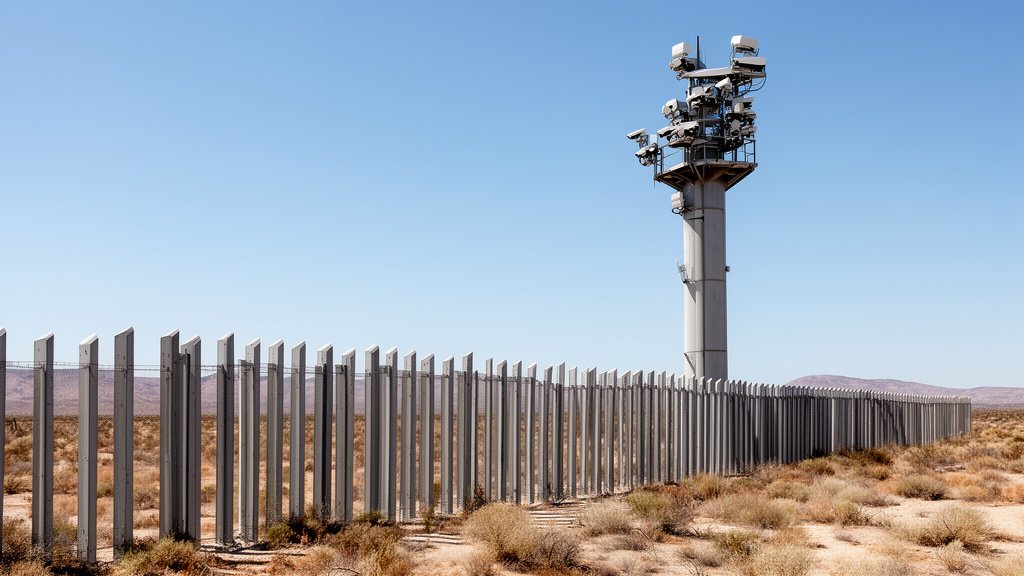
Central to this outcome has been the integration of next-generation border technology. DHS deployed a sophisticated network of autonomous surveillance drones, AI-driven movement analysis, and seismic sensors along critical sections of the southwest border. By creating a ‘virtually impenetrable’ buffer zone, the CBP has been able to intercept unauthorized crossings before they reach interior processing centers. This technology allows for the rapid identification of entry points, enabling agents to react in real-time to incursions, effectively deterring attempts before they reach the point of apprehension.
The Impact of Zero-Release Logistics
Perhaps the most significant metric in the FY 2026 report is the ‘zero release’ figure. Historically, the capacity of processing facilities has been a bottleneck, often forcing the release of individuals into the interior while they await court dates. By restructuring the legal processing timelines and securing immediate diplomatic agreements for rapid repatriation, the administration ensured that the logistics of detention did not compromise the integrity of the border. This zero-release policy has fundamentally changed the calculus for those considering illegal entry, as the certainty of immediate processing and removal has drastically reduced the incentive for attempting the journey.
Historical Significance and Economic Stability


Comparing the FY 2026 data against the past decade of border migration creates a clear picture of how dramatically the enforcement environment has changed. For years, border states like Texas, Arizona, and California struggled with the overflow of border encounters, which placed immense strain on local social services, educational systems, and municipal budgets. The collapse in encounter numbers has provided immediate relief to these front-line communities.
Relieving Local Municipalities
Beyond the federal enforcement success, the secondary effect of this policy shift is the return of stability to local infrastructure. Municipalities that were previously overwhelmed by the processing and temporary housing of migrants have reported a return to normal operational capacity for their public services. The decrease in crossings translates directly into reduced spending on emergency shelters and humanitarian processing, allowing local governments to reallocate resources to infrastructure development and community safety programs.
Restoring Internal Security Protocols
For the Trump administration, the goal was always to re-establish the rule of law as the primary gatekeeper of the nation’s sovereignty. By achieving a 95% decrease, the administration has effectively proven that border security is a matter of administrative will and logistical prioritization. This, analysts suggest, will serve as a template for future national security policies, prioritizing the use of interdiction technology and expedited legal processing as the standard operating procedure for all future fiscal years.
Future Outlook and Strategic Sustainability
While the 95% reduction is a historic achievement, the question remains regarding the long-term sustainability of these measures. Secretary Mullin has signaled that the current protocols are not temporary measures, but are designed to be permanent fixtures of the U.S. border enforcement strategy. The focus now shifts from ‘crisis management’ to ‘maintenance,’ ensuring that the surveillance and processing capabilities implemented in FY 2026 remain operational and scalable.
Preparing for Future Volatility
To maintain these levels, the administration plans to continue its investment in the ‘smart border’ initiative, ensuring that surveillance technology is consistently upgraded to counter potential human trafficking and smuggling tactics. Furthermore, the administration is focusing on diplomatic stability, working with transit nations to stop migratory flows before they reach the U.S. border. This preventive approach, combined with robust internal enforcement, is expected to keep border encounter numbers at historic lows for the duration of the current administration’s tenure.
FAQ: People Also Ask
Q: How did DHS achieve zero Border Patrol releases in FY 2026?
A: The administration implemented a rigorous, accelerated processing and removal system that ensured all individuals encountered at the border were processed through strict legal channels, preventing the release of individuals into the U.S. interior.
Q: What is the significance of the 95% decrease in encounters?
A: This figure represents the most substantial decline in unauthorized border crossings in modern U.S. history, indicating that the new enforcement policies and deterrents are highly effective at discouraging illegal entry.
Q: Does this report cover all types of border encounters, or just specific ones?
A: The data covers total southwest border encounters as reported by U.S. Customs and Border Protection, including all categories of apprehensions and encounters throughout Fiscal Year 2026.
Q: How has this impacted local border communities?
A: Border communities have seen a significant reduction in the pressure on local social services, schools, and emergency infrastructure, as the volume of individuals requiring processing and support has dropped to historic lows.