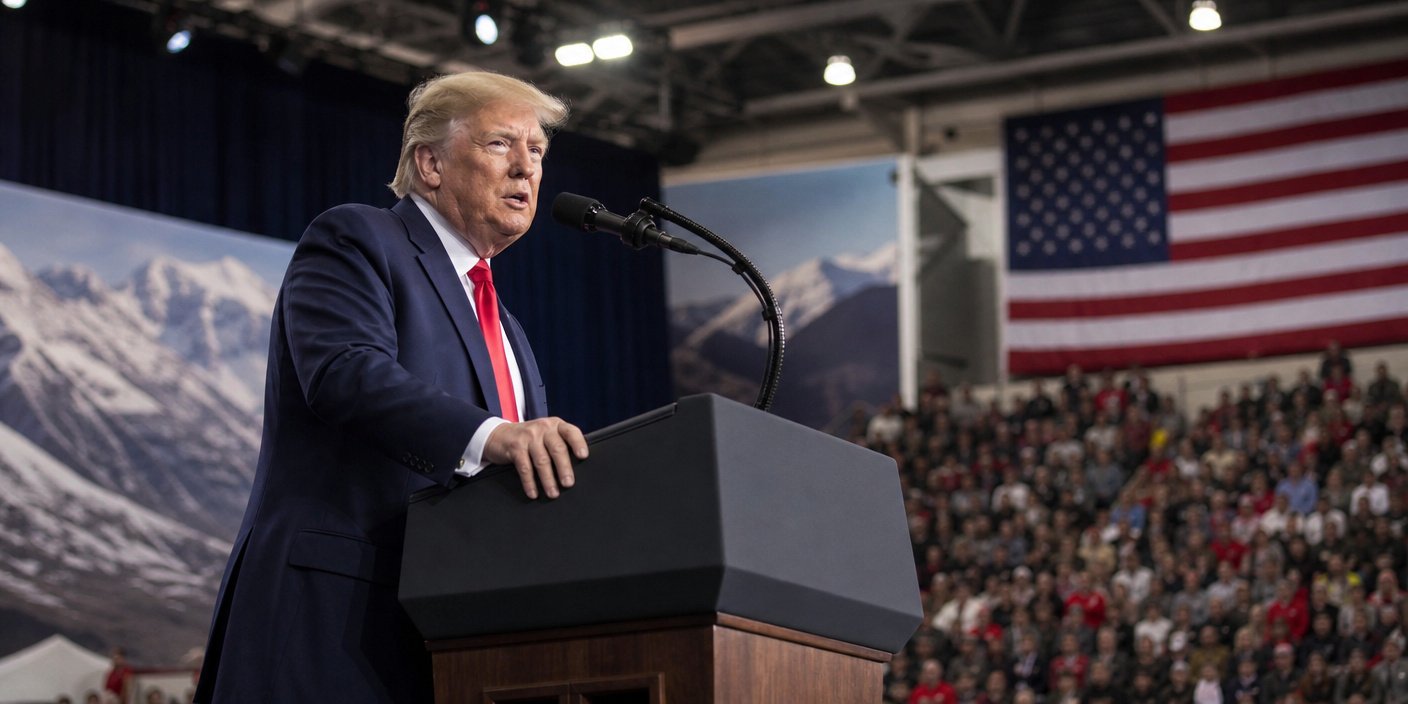
Former President Donald Trump’s declaration at a 2020 campaign rally in Bullhead City, Arizona, that government leakers should “be shot” remains a defining, if controversial, flashpoint in the discourse regarding national security, the First Amendment, and the boundaries of presidential rhetoric. As the U.S. continues to navigate the balance between state secrecy and public transparency, revisiting this statement provides critical context for understanding how executive power is conceptualized in the modern era.
The Bullhead City Context: October 2020
On October 28, 2020, during the final days of the presidential campaign, Donald Trump addressed a massive crowd at the airport in Bullhead City, Arizona. Amidst a wide-ranging speech covering economic policy, border security, and his administration’s accomplishments, the topic turned to the “deep state” and the unauthorized disclosure of classified government information. Referencing historical norms that he characterized as more severe, Trump suggested that those responsible for leaks should face capital punishment, explicitly using the phrase “be shot.” The comment was delivered in the context of his broader grievances regarding internal resistance within the intelligence community and various federal agencies, which he claimed were actively working against his administration’s agenda.
The Security vs. Transparency Paradox
The intersection of national security and government transparency has long been a battlefield for administrations. When a public figure, particularly a President, utilizes extreme rhetoric regarding the handling of information, it raises fundamental questions about the Espionage Act and its application. Supporters of the President’s view often argued that the unauthorized release of classified documents puts American intelligence assets and operational capabilities at existential risk. From this perspective, leaks are not merely policy disagreements but acts of betrayal that undermine the state’s ability to function. Conversely, legal scholars and civil libertarians argue that the ability of the press to report on government misconduct is a cornerstone of American democracy. They contend that harsh rhetoric—even if metaphorical—chills the ability of whistleblowers to expose genuine corruption, potentially creating a culture of fear where the fear of retribution outweighs the obligation to serve the public interest.
Institutional Impact and the Department of Justice



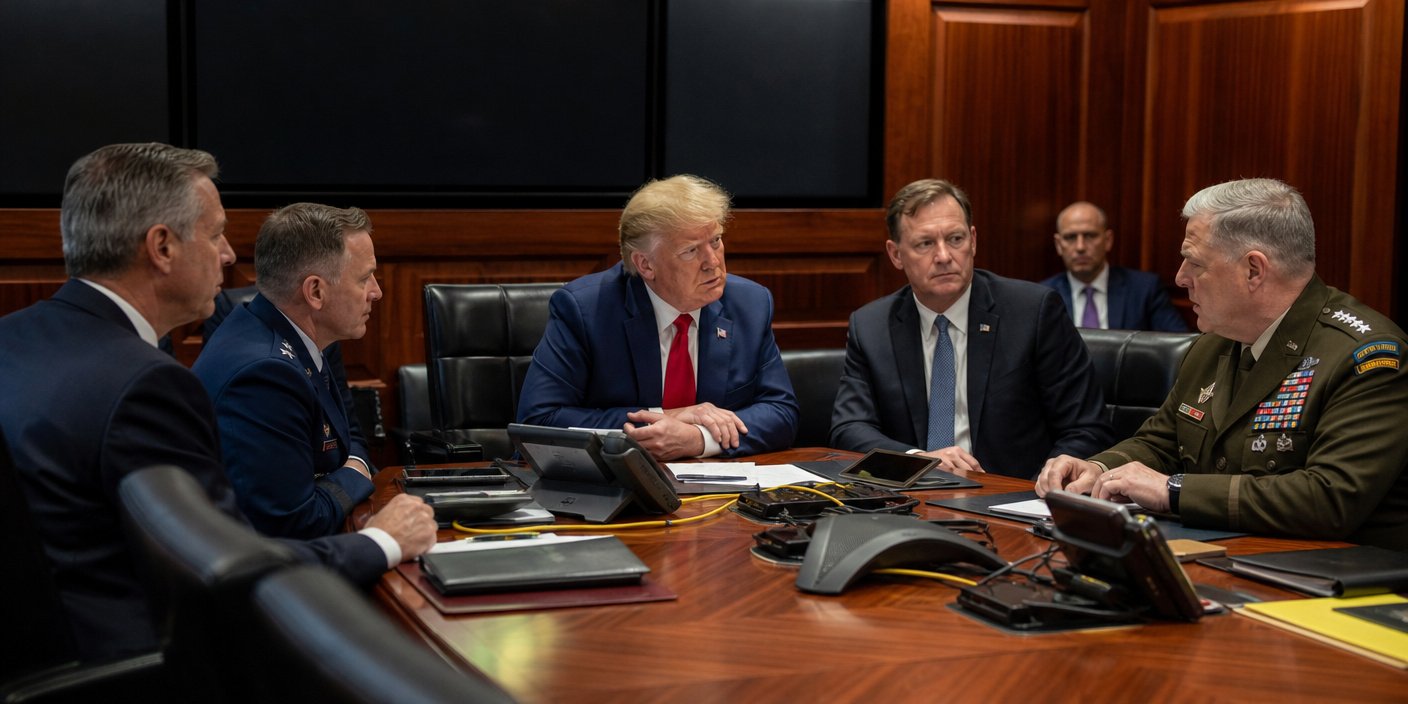
The rhetoric surrounding “leakers” had tangible effects on the operational posture of the Department of Justice (DOJ) during the Trump administration. The DOJ aggressively pursued various investigations into unauthorized disclosures, attempting to identify sources of information that embarrassed the White House or revealed sensitive policy deliberations. By framing the act of leaking as a lethal threat, the administration justified a stricter, more punitive approach to internal investigations. This approach signaled a shift in the perceived sanctity of classified information, elevating internal loyalty above the tradition of allowing internal dissent or public accounting of executive actions. Analysts have noted that while all administrations despise leaks, the specific linguistic framing of punishment used in Bullhead City marked a departure in tone, moving from legalistic deterrence to moralized condemnation.
The Evolution of Presidential Language
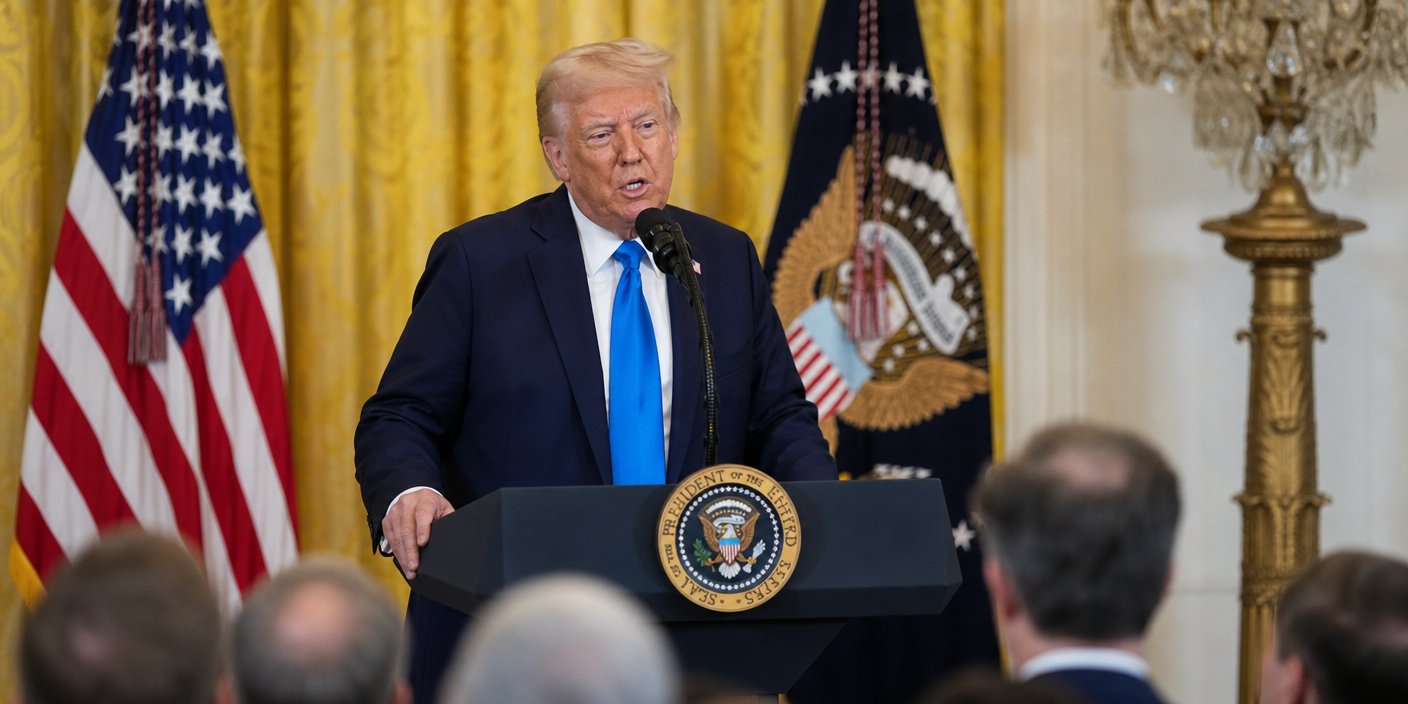
Presidential language has historically served as a benchmark for the nation’s political temperature. The use of inflammatory or violent metaphors to describe administrative challenges reflects a broader trend of political polarization. Comparing this incident to past administrations reveals a shift in decorum. For instance, while the Obama administration notably prosecuted more leakers under the Espionage Act than previous administrations combined, the public rhetoric remained rooted in the language of law, order, and national security protocols. The transition to the phrasing used in Bullhead City represents a hardening of the political vernacular, where administrative disagreements are increasingly framed in existential and violent terms, effectively mobilizing the base while alienating institutional norms.
The Whistleblower vs. The Leaker
A critical component of this debate is the distinction between a “leaker” and a “whistleblower.” Legally, the distinction is significant, involving protocols for reporting misconduct through established channels, such as an Inspector General. However, in the political arena, this distinction is often blurred. When an official releases information that serves the public interest but violates classification protocols, they are often branded as a leaker by the administration and a whistleblower by the public or the press. The Bullhead City remarks underscored the administration’s refusal to acknowledge this nuance, effectively conflating the two categories to justify a unified, aggressive response. This rhetorical strategy effectively discourages internal scrutiny, as the cost of being wrong—or simply being labeled a leaker—is framed as a matter of survival.
The Legacy of the Rhetoric
Years after the incident in Bullhead City, the discourse regarding how governments handle internal dissent remains unresolved. The comment did not result in legislative changes regarding the Espionage Act, nor did it change the fundamental legal protections for whistleblowers. However, it did succeed in polarizing the issue. For the administration’s opposition, it served as evidence of authoritarian tendencies; for supporters, it was seen as a necessary, if blunt, defense of a sovereign nation’s right to maintain secrets. The event stands as a permanent fixture in the debate over the limits of executive power, serving as a reminder that words uttered on a campaign stage can significantly alter the public’s perception of the delicate balance between security and liberty.
FAQ: People Also Ask
Q: Did the Trump administration change the laws regarding government leaks?
A: No. The administration did not enact new legislation to change the Espionage Act, but it did aggressively utilize existing laws and internal DOJ policies to increase the pressure and frequency of investigations into unauthorized disclosures.
Q: How do whistleblowers receive protection if they leak information?
A: Whistleblowers have specific legal channels to report wrongdoing, such as filing reports with an agency’s Inspector General. If they follow these legal paths, they are afforded specific protections against retaliation. Unauthorized leaks to the media, however, typically fall outside these protections and are often prosecuted under federal law.
Q: What is the main argument for harsh punishment against leakers?
A: Proponents argue that the protection of classified information is paramount to national security. They contend that leaks compromise intelligence-gathering methods, endanger the lives of human assets, and undermine the strategic position of the United States on the global stage.
Q: Was the Bullhead City comment the only time Trump spoke about leakers?
A: No. Throughout his term, Trump frequently expressed frustration with leaks, often referring to intelligence agencies and the press as enemies of the people. The Bullhead City remark was notable specifically for the severity of the suggested punishment.