The U.S. special envoy to Syria and ambassador to Turkey, Tom Barrack, has formally clarified his recent remarks regarding the Golan Heights, retracting his characterization of the region as ‘occupied’ territory. This pivot brings his public stance back into alignment with the Trump administration’s official policy, which recognizes Israeli sovereignty over the strategic plateau. The retraction comes as the White House continues to emphasize its departure from decades of traditional U.S. foreign policy consensus in the Middle East, favoring a more robust endorsement of Israeli security claims.
Key Highlights
- Official Realignment: Envoy Tom Barrack has officially retracted comments labeling the Golan Heights as ‘occupied,’ a term that conflicts with the U.S. administration’s current recognition of Israeli sovereignty.
- Policy Consistency: The clarification re-establishes unity within the administration, reinforcing the 2019 presidential proclamation that recognized the region as Israeli territory.
- Diplomatic Sensitivity: The incident highlights the high-stakes nature of rhetorical precision in Middle Eastern diplomacy, where vocabulary regarding territory can signal significant policy shifts.
- Regional Impact: This move reaffirms the status quo of U.S. support for Israel, despite ongoing tensions with Syria and broader regional skepticism regarding the change in policy.
Navigating the Diplomatic Correction
The landscape of Middle Eastern diplomacy is often defined by the precision of language. When an official as high-ranking as the U.S. special envoy to Syria and ambassador to Turkey speaks, the international community scrutinizes every word for nuances that might suggest a shift in policy. Tom Barrack’s initial characterization of the Golan Heights as ‘occupied’ sent shockwaves through diplomatic channels, as it appeared to contradict the very foundation of the administration’s 2019 policy shift. By publicly reversing this stance, the envoy has sought to extinguish speculation regarding a potential softening of the U.S. position.
The Vocabulary of Sovereignty
At the heart of this controversy lies the semantic difference between ‘occupied territory’ and ‘sovereign territory.’ For decades, the international community, including the United States, viewed the Golan Heights—captured by Israel from Syria in the 1967 Six-Day War—as occupied land. The Trump administration, however, broke with this international consensus in March 2019, when President Donald Trump signed a proclamation recognizing Israeli sovereignty over the territory.



When a diplomatic official uses the term ‘occupied,’ they are effectively invoking the pre-2019 legal framework, suggesting that the status of the land remains unresolved or subject to future negotiation. For a diplomat representing an administration that has staked its reputation on this policy change, such terminology creates a significant diplomatic friction point. The retraction is not merely a linguistic correction; it is a restatement of the administration’s commitment to the new status quo.
Strategic Implications and Regional Fallout
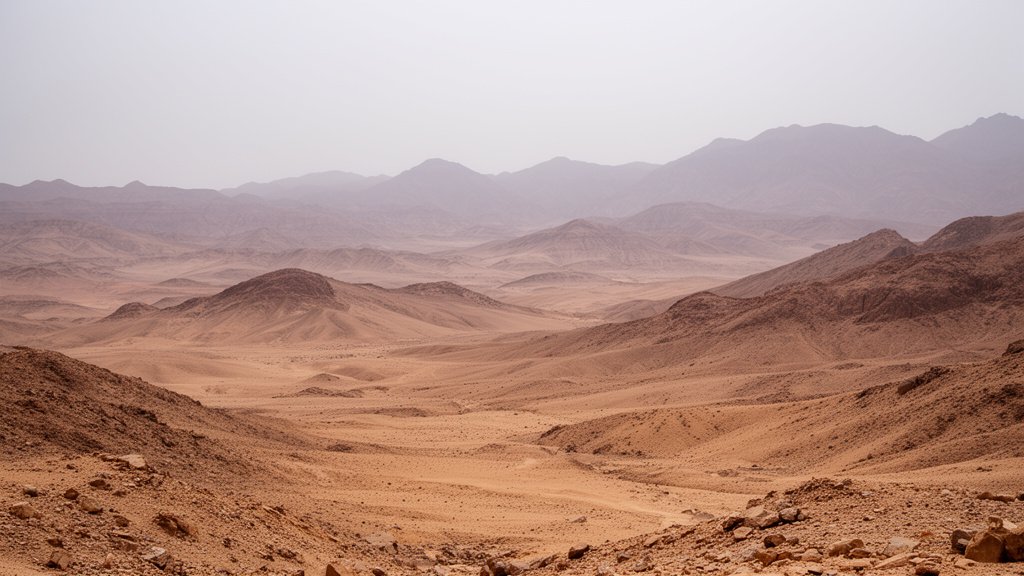
Why does this matter? The Golan Heights is not only a strategic military vantage point overlooking northern Israel and Damascus; it is a symbol of the broader power dynamics in the Middle East. By formally recognizing Israeli sovereignty, the U.S. has signaled a departure from the ‘land-for-peace’ doctrine that governed Middle East peace talks for over fifty years.
Analysts suggest that the envoy’s initial comment may have been an attempt to acknowledge the complex realities on the ground in Syria—where the U.S. has deep interests—while balancing the relationship with Turkey. However, in the high-pressure environment of the Trump administration’s foreign policy, consistency is paramount. The swiftness of the retraction underscores the administration’s demand for absolute adherence to its policy objectives. For Israel, this clarification is a welcome validation of the diplomatic victory they secured in 2019, while for Syria and other regional actors, it serves as a stark reminder of the current U.S. administration’s unwavering stance.
The Future of Envoy Communications
This incident serves as a case study in the challenges of modern diplomacy. As the U.S. navigates relationships with allies like Turkey and partners like Israel, the room for interpretation is narrowing. The administrative requirement for unified messaging is stronger than ever. Moving forward, observers expect the State Department and special envoys to operate under tighter scrutiny to prevent similar contradictions. The goal is to ensure that every public statement—whether in a formal press conference or a private briefing—reinforces, rather than undermines, the established strategic narrative. This event is unlikely to change the reality on the Golan Heights, but it highlights the fragile nature of diplomatic consensus and the intense pressure on officials to maintain a singular, clear policy line.
FAQ: People Also Ask
Q: Why is the Golan Heights considered a sensitive issue?
A: The Golan Heights is strategically vital, providing high-ground surveillance of the region. Its ownership has been a major point of contention between Israel and Syria since 1967, and it is a key element in any potential regional peace deal.
Q: What is the current U.S. policy on the Golan Heights?
A: Since March 2019, the United States officially recognizes Israeli sovereignty over the Golan Heights, a significant shift from the previous stance that treated it as occupied territory.
Q: What is the role of a Special Envoy to Syria?
A: A Special Envoy to Syria is tasked with navigating the complex Syrian civil war, coordinating U.S. policy, managing relationships with regional players like Turkey and Russia, and working toward a diplomatic resolution that aligns with U.S. interests.
Q: Does this retraction change the international status of the Golan Heights?
A: No. The vast majority of the international community, including the United Nations, continues to view the Golan Heights as occupied territory. The U.S. remains an outlier in its formal recognition of Israeli sovereignty.