WhistlePig founder and entrepreneur Raj Peter Bhakta has announced a transformative, albeit unconventional, philanthropic offer: the donation of the entire shuttered Green Mountain College campus in Poultney, Vermont, to a qualified religious institution. Valued at roughly $200 million in terms of replacement and physical assets, the 22-acre site—which includes 26 buildings—is being offered essentially for free, provided the recipient adheres to a strictly defined mission of fostering a ‘spiritual revival’ in America.
Key Highlights
- The Donor: Raj Peter Bhakta, the founder of WhistlePig Whiskey, acquired the campus in 2019 following the college’s closure.
- The Asset: The former Green Mountain College in Poultney, Vermont, features 22 acres, 26 buildings, and state-of-the-art facilities, with a total assessed replacement value near $200 million.
- The Mission: The donation is contingent on the recipient utilizing the site for religious and educational purposes, with the aim of igniting a spiritual and cultural resurgence.
- The Catch: Bhakta is imposing a restrictive covenant on the deed, preventing the property from being sold for speculative development or secular commercial use.
The Poultney Proposition: A Campus in Search of Purpose
When Green Mountain College announced its closure in 2019 due to shifting demographics and the unsustainable economics of small private liberal arts colleges in New England, it left a massive, 22-acre hole in the heart of Poultney, Vermont. For the local economy, the closure was a fiscal catastrophe. For Raj Peter Bhakta, however, it presented a unique real estate opportunity. Having purchased the site for $4.5 million shortly after its closure, Bhakta has now pivoted from traditional developer to a high-profile philanthropist with a distinct, faith-based agenda.
The Mechanics of the Donation
Bhakta’s proposal is not a simple transfer of title. It is a strategic philanthropic move designed to anchor a specific type of entity in the region. The ‘catch’—or rather, the contractual requirement—is a restrictive covenant. This legal mechanism ensures that the property cannot be flipped, demolished, or repurposed for secular profit. The beneficiary must commit to operating the site for religious, educational, or spiritual advancement. By effectively removing the campus from the speculative real estate market, Bhakta is forcing a long-term commitment from any prospective buyer. This ensures that the campus remains a functioning institution rather than becoming a ghost town of boarded-up historic architecture.
Why a Religious Institution?
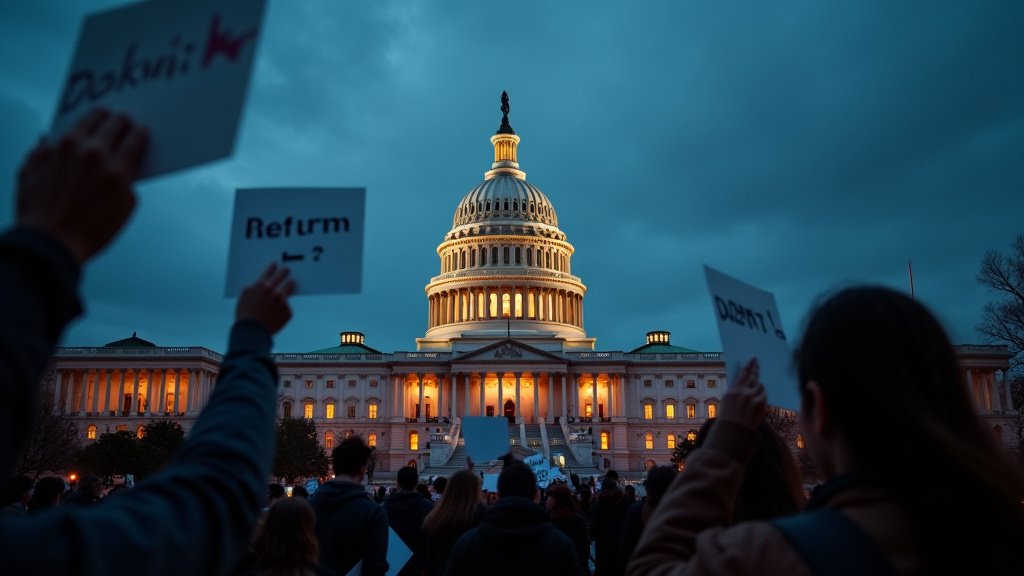



Bhakta has been vocal about his motivations. In recent interviews, he has pointed to the decline of traditional American institutional structures and a perceived erosion of cultural cohesion. By donating the campus specifically to a religious organization, he aims to create a ‘beacon’ for a spiritual revival. The logic is that religious institutions have the organizational capacity and the long-term mission horizon necessary to maintain a massive facility like Green Mountain College. Unlike a corporate entity that might seek quarterly returns, a religious body is arguably better positioned to absorb the operating costs of a 22-acre property for the sake of its mission.
The Rural Economic Ripple Effect
Beyond the theological implications, the donation represents a significant economic development event for the town of Poultney. A functioning campus—regardless of its denominational affiliation—brings students, staff, visitors, and, most importantly, tax-adjacent revenue to a rural town. When a college closes, the ‘economic multiplier’ effect goes into reverse. Retail shops lose student foot traffic, and the municipal tax base shrinks. By placing the campus in the hands of an institution that will keep the lights on and the halls populated, Bhakta is effectively subsidizing the local economy through private, targeted philanthropy.
Institutional Precedents and Future Risks
This move is not without historical precedent, but it carries inherent risks. Throughout the 20th century, many rural campuses were gifted to religious orders or nonprofits. The primary risk in such a venture is ‘mission creep’ or operational insolvency. Maintaining historic infrastructure in a cold-weather climate like Vermont is prohibitively expensive. Heating, roof repairs, and ADA compliance can run into the millions of dollars annually. For the recipient, the ‘free’ campus may actually be a Trojan horse of deferred maintenance costs. Any religious organization accepting this gift must have the endowment or fundraising capacity to support the heavy lifting of facility management, or the ‘spiritual revival’ could quickly become a maintenance nightmare.
FAQ: People Also Ask
Q: Who is eligible to receive the donation of the Green Mountain College campus?
A: The offer is open to religious institutions that can demonstrate both the capacity to manage the 22-acre site and a clear plan to use the facilities for religious and educational purposes, aligning with Bhakta’s vision for a spiritual revival.
Q: Is the campus completely ready for occupancy?
A: The campus has been shuttered since 2019. While Bhakta has maintained the property, any new institution would likely need to conduct significant inspections and potential renovations to bring the 26 buildings up to current standards and specific operational needs.
Q: What happens if the religious organization fails to maintain the property?
A: Due to the restrictive covenant placed on the deed, the property is protected by legal agreements that prevent it from being sold for commercial speculation. The exact reversionary clauses are private, but they are designed to ensure the mission remains intact.
Q: Is this a tax-deductible donation for the recipient?
A: This is a complex real estate transfer. While the transfer is a donation, the recipient must be a qualified 501(c)(3) religious or non-profit organization to accept it legally. Interested parties are typically required to work with legal counsel to navigate the tax and property transfer implications.