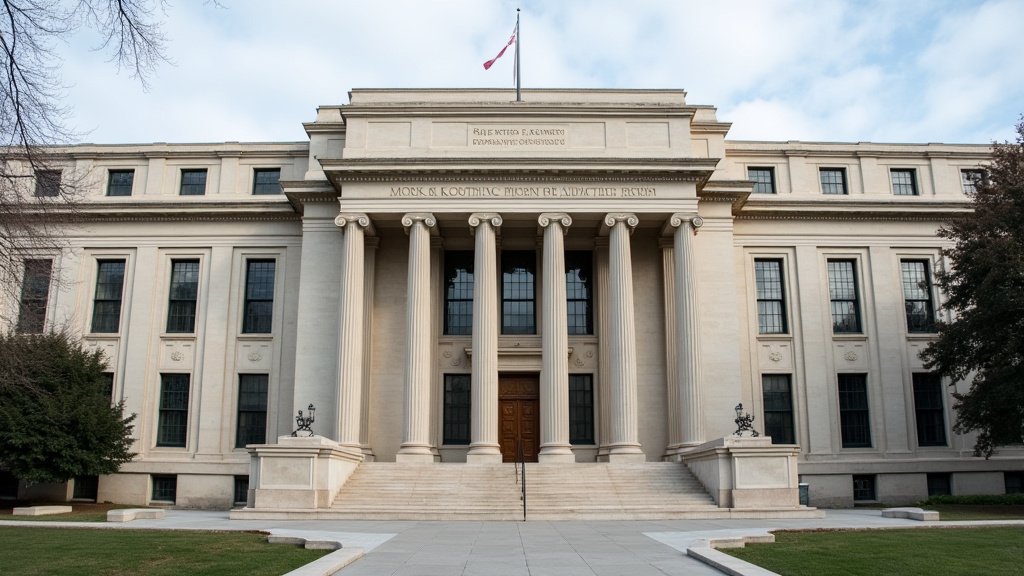
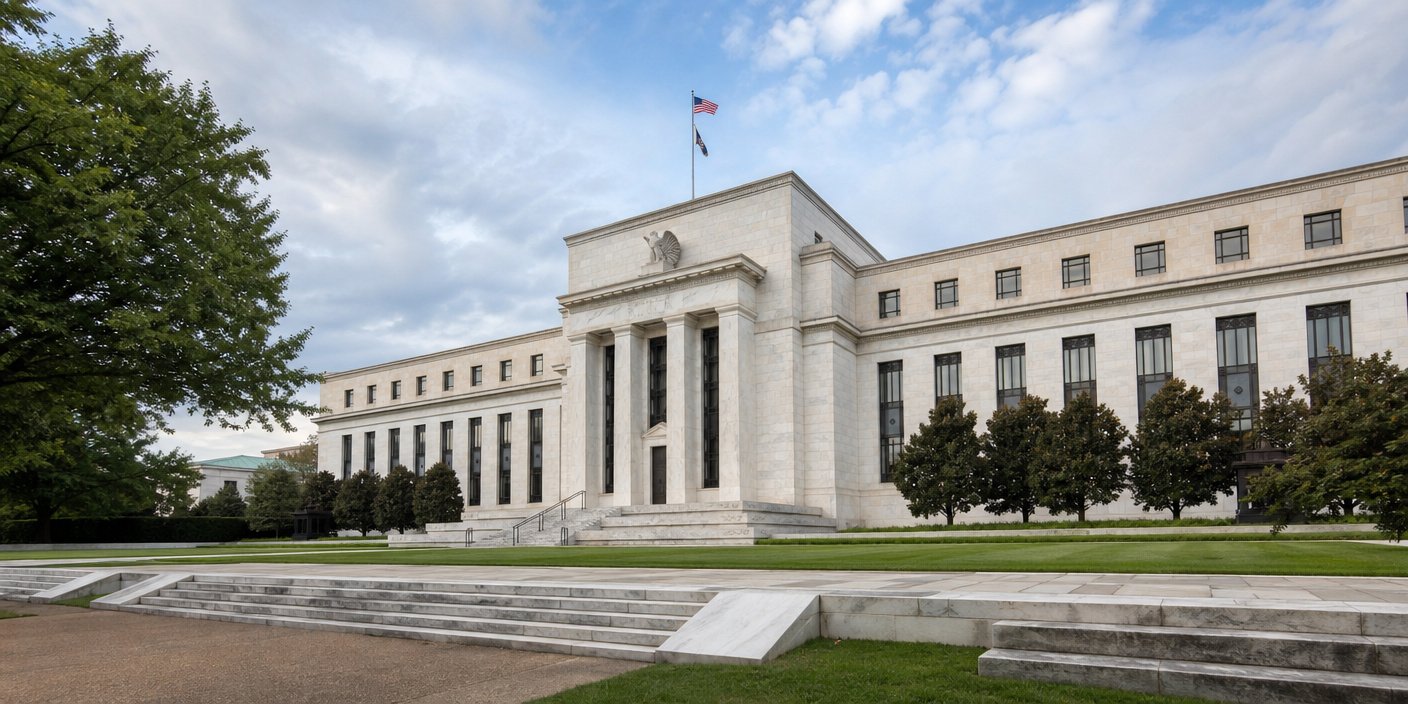
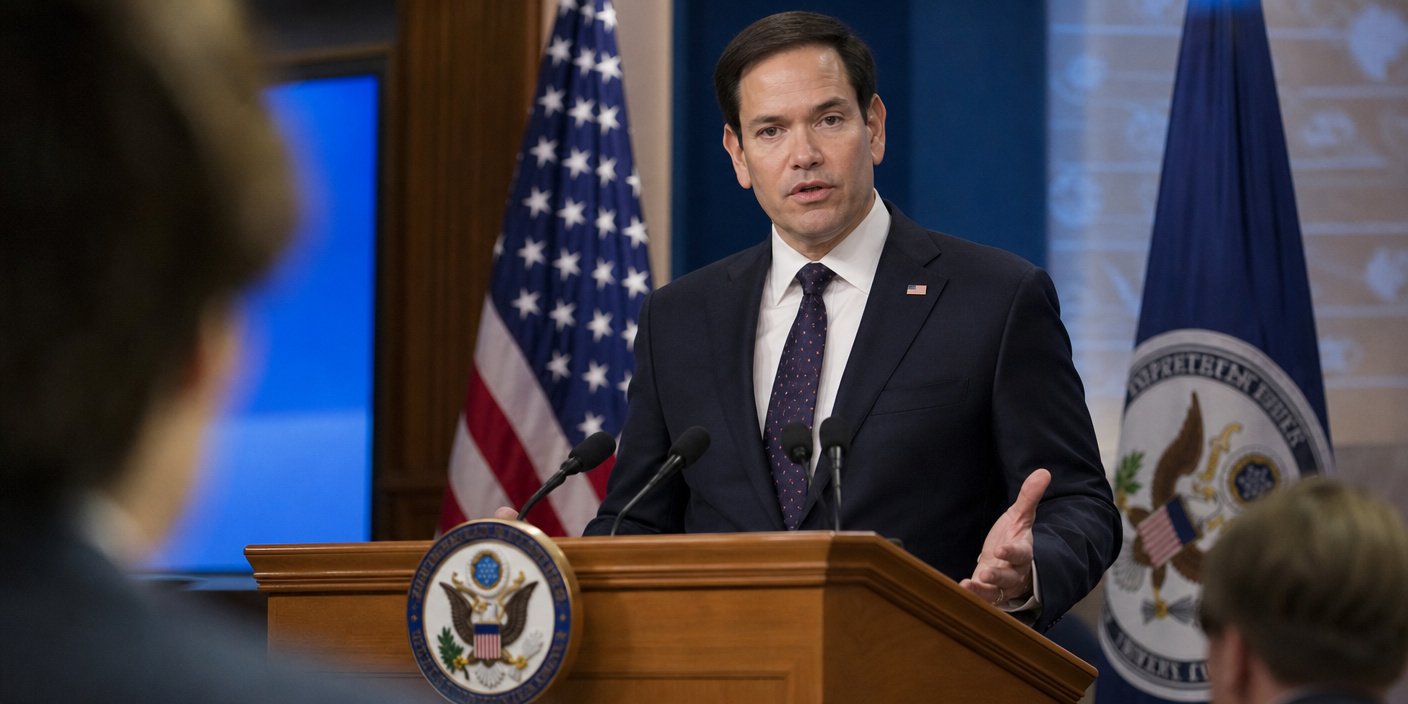
In a pivotal move that marks a definitive end to three years of historically low borrowing costs, the Federal Reserve has implemented a quarter-point interest rate hike. This long-anticipated decision reflects the central bank’s urgent pivot toward curbing runaway inflation, which has strained the American economy and eroded household purchasing power. By adjusting the benchmark rate to just under 4%, policymakers are effectively raising the cost of borrowing across the financial landscape, a signal to both Wall Street and Main Street that the era of ‘easy money’ is officially in the rearview mirror.
The Shift in Monetary Strategy


For the past three years, the Federal Open Market Committee (FOMC) maintained an ultra-accommodative stance, largely to support an economy reeling from global instability. However, the current economic data—characterized by persistent price increases—demanded a recalibration of priorities. The quarter-point hike is not merely a number; it is a tactical correction intended to cool demand without abruptly stalling economic growth. The decision highlights a growing consensus within the Fed that inflation, while potentially transitory in nature, has become sufficiently entrenched to require structural intervention. By raising the floor for interest rates, the Fed is proactively attempting to drain excess liquidity from the system, effectively incentivizing saving over spending.
Consumer Impact: Borrowing and Credit Markets
The immediate ripples of this decision are already being felt across consumer lending markets. The most direct impact is the rising cost of credit, particularly concerning credit cards and personal loans. Because many consumer credit products are tied to the prime rate, which moves in lockstep with the Fed’s benchmark, consumers should prepare for higher Annual Percentage Rates (APRs) on their monthly statements. For those carrying balances, this means interest charges will compound more rapidly, potentially creating a squeeze on household budgets that are already grappling with the rising costs of fuel and groceries.
Furthermore, the housing market remains a primary point of concern for analysts. Mortgage rates, which are influenced by—but not identical to—the federal funds rate, have already begun to price in these expected hikes. As the cost of a 30-year fixed mortgage climbs, potential homebuyers may face a dual challenge: higher asking prices coupled with significantly increased monthly debt service requirements. This tightening of credit conditions serves the Fed’s purpose of slowing down the housing market, which has been a significant driver of inflationary pressure.
The Balancing Act: Growth vs. Price Stability
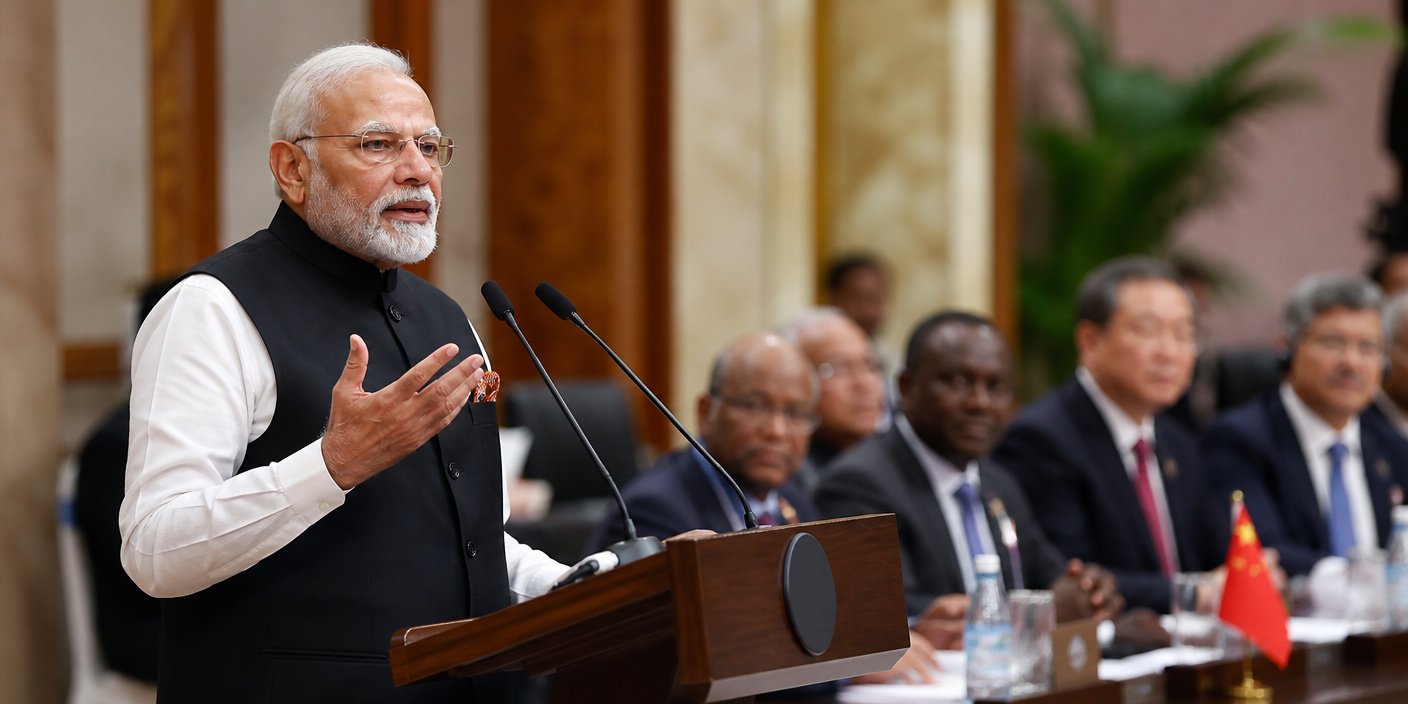
The central tension in this policy shift is the delicate balance between price stability and the risk of recession. Jerome Powell, Chair of the Federal Reserve, has frequently referenced the ‘soft landing’—a scenario where inflation returns to the Fed’s target rate without precipitating a massive economic contraction. Achieving this requires impeccable timing and messaging. If the Fed moves too slowly, inflation may become a permanent fixture of the economy, demanding even more drastic, painful rate hikes later. If they move too quickly, they risk choking off consumer demand and capital investment, potentially triggering a significant downturn in economic activity.
This hike serves as a signal that the FOMC is prioritizing the containment of inflation over the maintenance of the pre-pandemic growth model. The economic ‘engine’ of the U.S. is being asked to run on a new fuel mixture—one that demands greater capital discipline. For corporations, this means the cost of debt-financed expansion just became more expensive, which may lead to slower hiring and a more conservative approach to capital expenditures (CapEx). It is a transition from an environment defined by growth at all costs to one defined by fiscal sustainability.
Economic Projections and Future Outlook
Looking toward the future, market analysts and institutional investors are parsing the Fed’s latest language to determine the velocity of future hikes. A single quarter-point increase is rarely the end of a cycle. Financial institutions are already modeling scenarios where additional hikes occur throughout the fiscal year. The goal is to reach a ‘neutral’ rate—one that neither stimulates nor restricts the economy—and perhaps move into restrictive territory thereafter. The path to that destination depends entirely on the upcoming Consumer Price Index (CPI) reports and employment figures. Should inflation data remain hot, the Fed has signaled a willingness to move with greater frequency. This dynamic will define the financial discourse for the foreseeable future, as markets adjust to an environment where the ‘cost of money’ is no longer near zero.