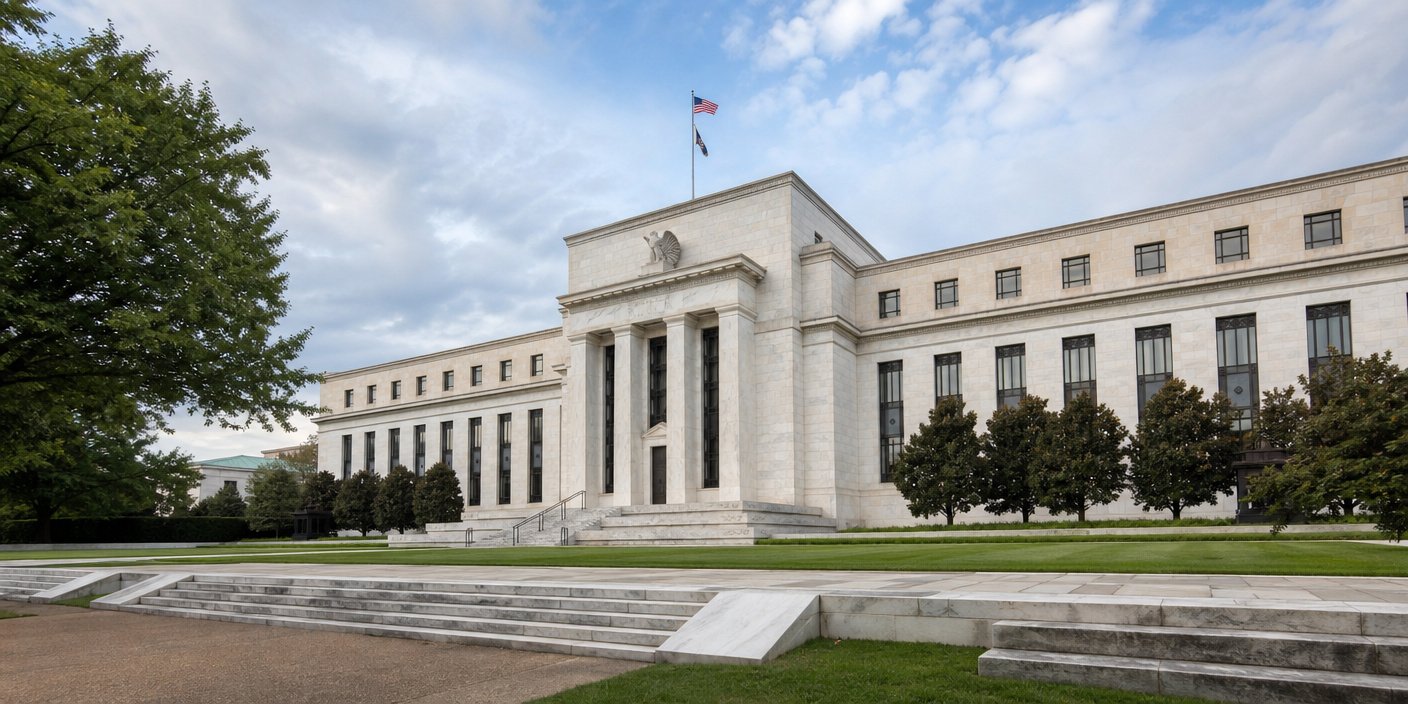
The one-year mark of the Trump administration’s “America First Global Health” strategy has ignited a firestorm of controversy. A comprehensive new report from Physicians for Human Rights (PHR) presents data suggesting that the aggressive shift in funding priorities has eroded essential global health infrastructure, specifically targeting interventions for HIV/AIDS and stalling critical clinical research trials in developing regions. While the administration frames the policy as a necessary correction to decades of inefficient spending, the gap between the White House’s economic rhetoric and the tangible medical outcomes on the ground is widening, forcing a debate over the cost of isolationism in public health.
Key Highlights
- PHR Findings: Physicians for Human Rights reports that the administration’s ‘America First’ directive has directly caused the disruption of HIV prevention services in at least 15 high-priority nations.
- Research Stagnation: Clinical research pipelines, particularly for infectious disease vaccines and tropical medicine, have seen a 30% reduction in funding and logistical support compared to the previous fiscal cycle.
- The Diplomatic Defense: Secretary of State Marco Rubio has publicly disputed the severity of these impacts, characterizing the strategy as ‘prudent fiscal streamlining’ rather than a withdrawal from global health.
- Supply Chain Fragility: The redirection of USAID resources has created ‘bottlenecks’ in the distribution of essential medicines, raising concerns about long-term reliance on US-backed supply chains.
The Anatomy of a Disrupted Strategy
The central tension in the current global health landscape revolves around the reorientation of United States Agency for International Development (USAID) funds. For decades, US health policy was built on the premise that global stability—and by extension, US domestic security—was inextricably linked to the health outcomes of partner nations. The “America First Global Health” initiative, enacted one year ago, explicitly de-prioritized these holistic investments in favor of bilateral agreements that emphasize direct economic benefit to the United States.
According to the PHR investigation, this shift has acted as a stress test for international health organizations, most of which failed to adapt to the abrupt drawdown of American operational support. The report highlights that in regions like sub-Saharan Africa and Southeast Asia, the withdrawal of US technical staff and budgetary support has resulted in what experts term a ‘care vacuum.’ In these areas, local clinics that previously received US-funded training and inventory management are now struggling to maintain basic operations, let alone the specialized care required for complex diseases like HIV.
The HIV Intervention Crisis
Perhaps the most alarming data point in the PHR report concerns the disruption of HIV/AIDS interventions. For years, US-led initiatives served as the backbone for antiretroviral drug distribution. The PHR report details that in several key locations, the new strategy mandated a shift from programmatic grant funding to results-based contracts that require extensive bureaucratic verification. This transition, while intended to reduce waste, has inadvertently frozen the flow of necessary medications. The report notes that supply chain interruptions are not merely logistical inconveniences; they represent life-threatening delays for patients who rely on consistent dosage schedules to manage their viral loads.
Stalled Scientific Pipelines
Beyond immediate care, the structural changes have impacted the R&D sector. Clinical research, which often relies on years of consistent, long-term funding, has been hit hardest. The PHR document cites a 30% reduction in active research collaborations in the last 12 months. When US research grants are pulled or restructured, local institutions in host countries often lack the liquidity to bridge the gap. This has forced the suspension of several longitudinal studies aimed at tracking the evolution of emerging infectious diseases, effectively blinding international health organizations to potential future outbreaks before they gain momentum.
The Secretary’s Defense: Economic Sovereignty

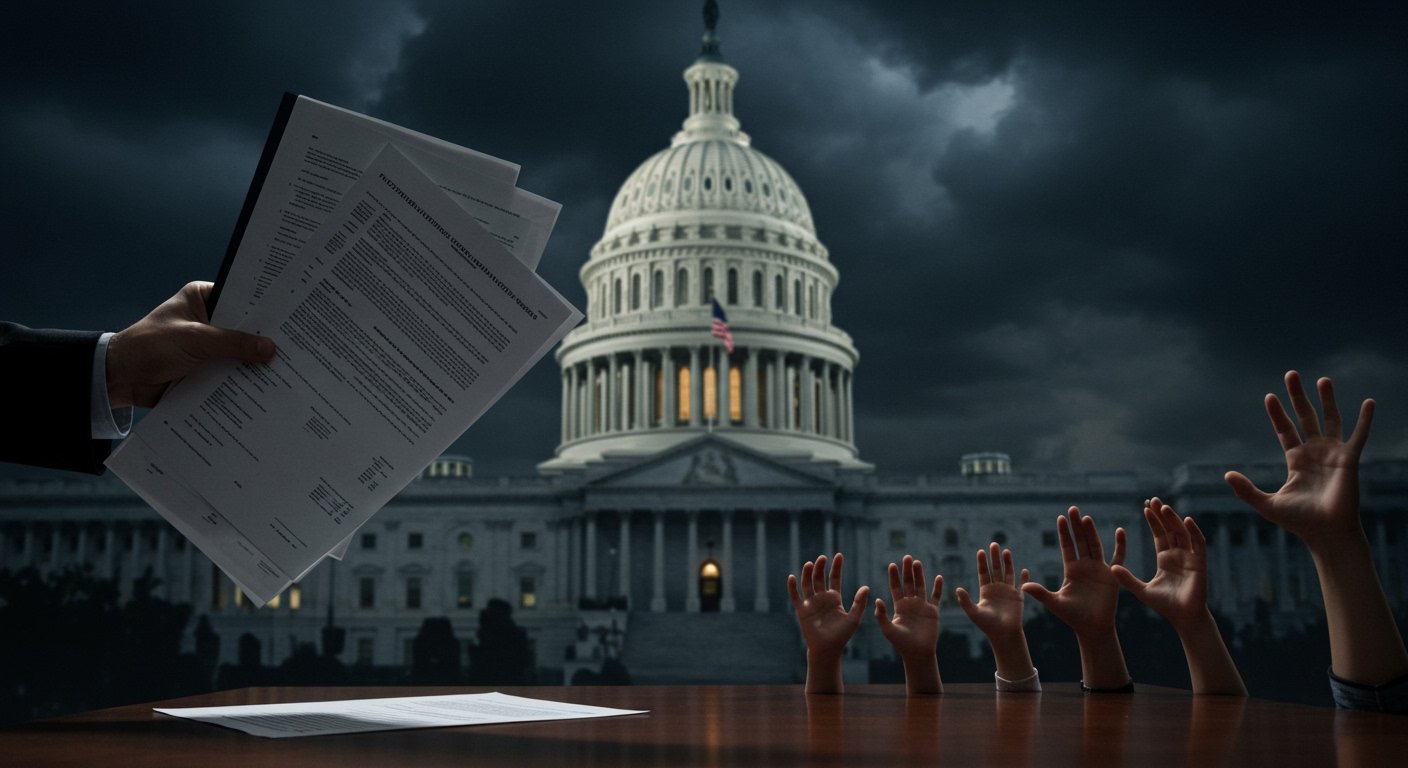
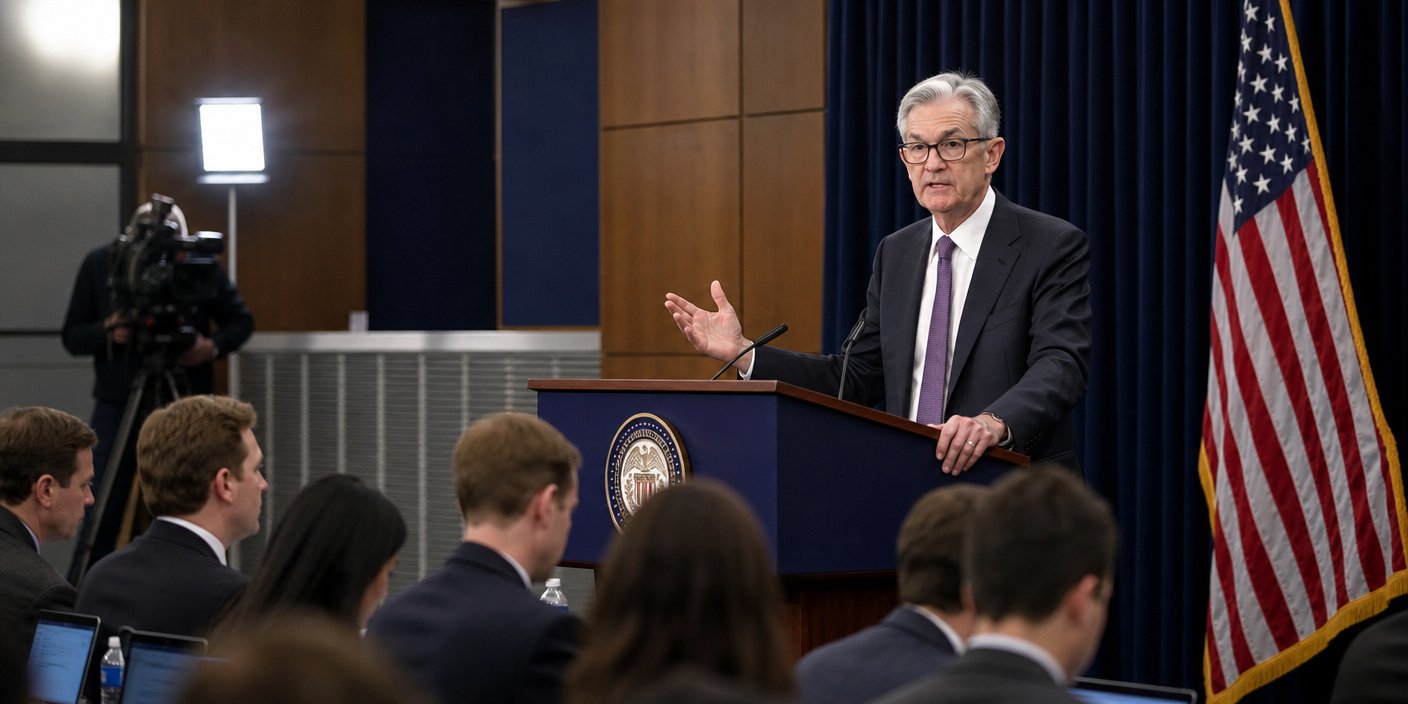
Secretary of State Marco Rubio, speaking from the State Department, has consistently pushed back against the narrative that the administration is ‘dismantling’ global health. Rubio argues that the previous framework was unsustainable and characterized by ‘mission creep,’ where the US taxpayers were funding auxiliary infrastructure that should be the responsibility of sovereign host nations.
‘We are not abandoning the world,’ Rubio stated during a recent press briefing. ‘We are simply demanding that our aid delivers measurable, tangible returns that align with the national interest of the United States. If that process requires a transition period that feels uncomfortable for established international NGOs, so be it.’
Rubio’s defense pivots on the concept of ‘economic sovereignty.’ He posits that by forcing recipient nations to take more ownership of their healthcare expenditures, the US is fostering long-term resilience rather than creating a culture of permanent dependency. However, critics, including the authors of the PHR report, argue that this perspective ignores the complex economic reality of the nations in question, many of which lack the tax bases or sovereign wealth to immediately absorb the costs of healthcare programs previously underwritten by the US.
The Global Ripple Effect
Looking beyond the immediate medical impact, geopolitical analysts suggest that this shift could have long-term consequences for US soft power. As US influence wanes in the health sector, there is a vacuum being created in international diplomatic circles. Medical diplomacy has historically been one of the most effective tools for maintaining alliances. By withdrawing from these spaces, the US may be inadvertently ceding influence to other global powers, such as China, which has been rapidly expanding its own medical and infrastructure investments in the Global South.
As the administration moves into the second year of its policy, the pressure to demonstrate success will only mount. If the data from PHR continues to show a decline in patient outcomes, the White House may be forced to either revise its strategy or face a significant backlash in the upcoming legislative session, where bipartisan concerns regarding the optics of global health abandonment are beginning to grow.
FAQ: People Also Ask
1. What is the ‘America First Global Health’ strategy?
The strategy is a policy framework implemented by the Trump administration that shifts US foreign aid away from broad, long-term international development programs and toward specific, results-oriented, and bilateral agreements that the administration argues prioritize American taxpayer interests.
2. Why is Physicians for Human Rights (PHR) criticizing this policy?
PHR argues that the policy has caused significant disruption to vital health services, specifically citing a breakdown in HIV/AIDS treatment pipelines and a 30% reduction in funding for critical clinical research in developing nations.
3. How does Secretary of State Marco Rubio justify the policy?
Rubio defends the policy as a necessary effort to reduce wasteful spending and encourage ‘economic sovereignty’ among partner nations, claiming the previous system created an unsustainable dependency on US aid.
4. Are these impacts permanent?
While the policy shift is current, analysts suggest that the damage to clinical research pipelines could have long-term effects on global health security, potentially delaying the development of vaccines and treatments for years to come.