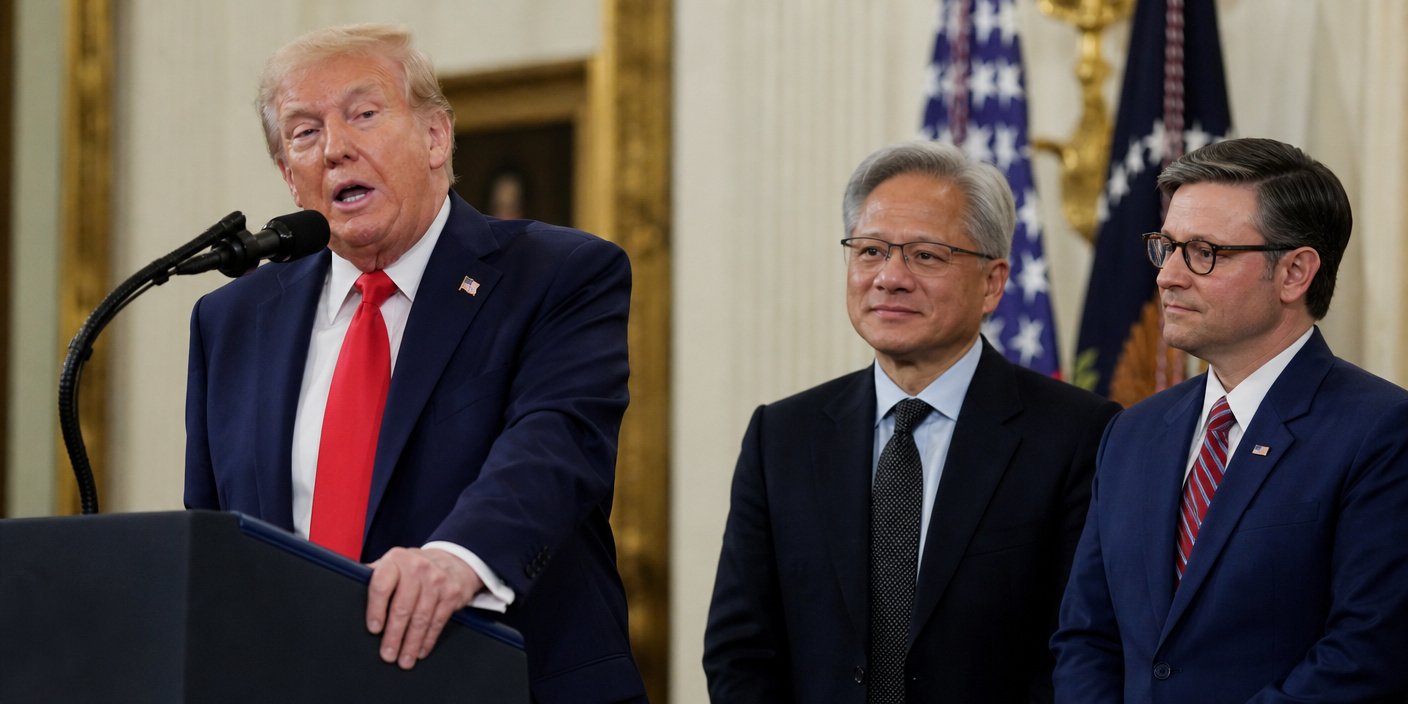
In a significant diplomatic development, the United States and Iran are reportedly nearing an agreement to de-escalate tensions and potentially meet in Qatar. This breakthrough, if solidified, could mark a crucial turning point in relations between the two nations, which have been fraught with conflict and mistrust for decades.
Key Highlights:
- Reports indicate a mutual agreement to cease direct attacks.
- A potential meeting between U.S. and Iranian officials is being discussed.
- Qatar has emerged as a likely neutral venue for diplomatic talks.
- The move signals a potential thaw in long-standing hostilities.
Diplomatic Overtures Amidst Regional Tensions
The ongoing efforts to broker a de-escalation between the United States and Iran represent a complex diplomatic dance, influenced by regional dynamics and domestic political considerations in both countries. Sources familiar with the matter suggest that discussions have centered on establishing a framework for mutual non-aggression, a critical step towards fostering a more stable environment. The reported willingness of both Washington and Tehran to consider direct talks underscores a shared, albeit perhaps reluctant, recognition of the need to manage escalating tensions that have repeatedly threatened to spill over into wider regional conflict.
The Role of Qatar as a Mediator



Qatar, a Gulf nation with a history of mediating between disparate powers, has once again positioned itself as a crucial diplomatic hub. Its neutrality and established channels of communication with both the U.S. and Iran make it an ideal venue for such sensitive negotiations. The selection of Doha as a potential meeting ground signifies the emirate’s ongoing commitment to fostering dialogue and de-escalating crises in the Middle East. The specifics of any potential meeting, including the level of representation and the agenda, remain under wraps, but the very fact that such talks are being contemplated is a significant development.
Historical Context and Precedents
The current diplomatic overtures do not occur in a vacuum. The relationship between the U.S. and Iran has been tumultuous since the 1979 Islamic Revolution, marked by periods of intense hostility, proxy conflicts, and stalled diplomatic efforts. Previous attempts at dialogue have often been derailed by mistrust, hardline factions within either government, or external regional pressures. This latest push for de-escalation will be closely watched to see if it can overcome the deep-seated animosities and structural impediments that have historically hindered progress. The recent history of direct confrontations, including incidents in the Persian Gulf and the aftermath of the assassination of Qasem Soleimani, looms large over any current discussions.
Economic and Security Implications
The potential for reduced tensions carries significant economic and security implications for both nations and the broader region. For Iran, a de-escalation could lead to the easing of international sanctions, potentially revitalizing its economy. For the U.S., it could mean a reduction in its military footprint and a shift in strategic focus within the Middle East. Regionally, a period of calm would be a welcome relief from the constant threat of escalation, which has impacted global energy markets and led to increased defense spending. The success of these talks could set a precedent for managing future conflicts and fostering greater stability.
FAQ: People Also Ask
What are the main points of contention between the US and Iran?
The primary points of contention include Iran’s nuclear program, its ballistic missile development, its support for regional proxy groups, and human rights issues within Iran. The U.S. also cites Iran’s actions in the Strait of Hormuz and its broader regional influence as sources of concern.
Has the US and Iran ever met directly before?
Yes, there have been instances of direct U.S.-Iran engagement, particularly during the Obama administration regarding the Iran nuclear deal (JCPOA) negotiations. However, high-level diplomatic meetings focused on de-escalation have been rare, especially in recent years.
What is Qatar’s role in international diplomacy?
Qatar has established itself as a key mediator in several international disputes. It has hosted talks between various parties, including the Taliban and the U.S., and plays a significant role in regional diplomacy due to its unique geopolitical position and independent foreign policy.
What are the risks of failed talks?
Failed talks could lead to a resurgence of direct military confrontations, further entrenchment of hardline positions in both countries, increased regional instability, and a tightening of sanctions on Iran, potentially exacerbating economic hardship and humanitarian concerns.