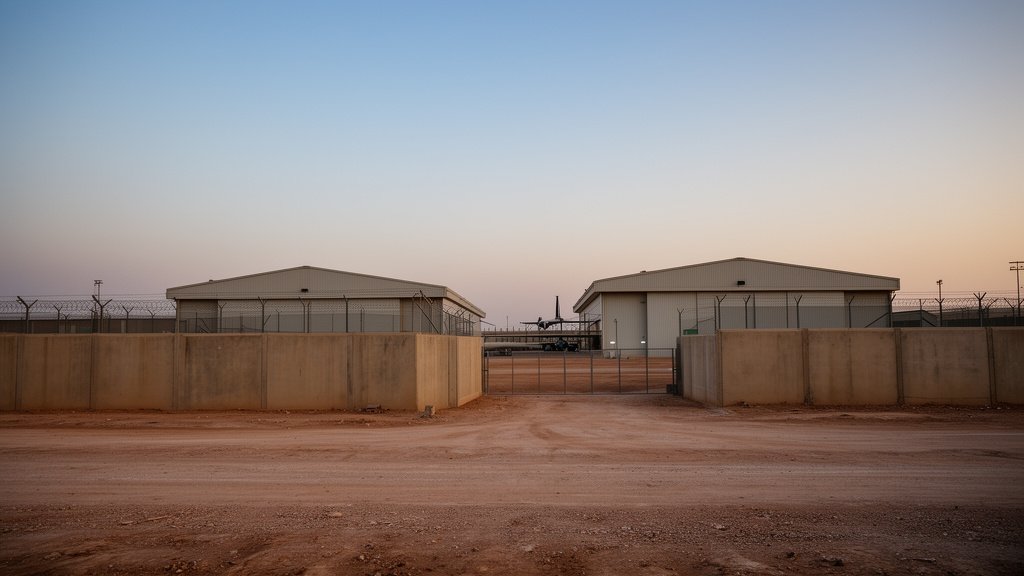
Japanese American internment survivors and faith leaders are escalating their calls for the immediate closure of the South Texas ICE Detention Center, drawing parallels to historical injustices and emphasizing humanitarian concerns.
Key Highlights:
- Survivors of Japanese American internment camps join faith leaders in demanding the closure of the South Texas ICE Detention Center.
- The coalition highlights alleged human rights abuses and inhumane conditions within the facility.
- Protesters draw direct comparisons between current immigration detention practices and the forced internment of Japanese Americans during World War II.
- Calls for closure are amplified by concerns over inadequate medical care and due process for detainees.
Echoes of Injustice: Demands for ICE Detention Center Closure
The demand for the closure of the South Texas ICE Detention Center has gained significant momentum, propelled by a coalition of Japanese American internment survivors and prominent faith leaders. This alliance is not merely a protest but a potent call to action, drawing stark parallels between the historical injustices of the Japanese American internment during World War II and the current treatment of migrants and asylum seekers within U.S. detention facilities. The group asserts that the conditions and practices at the South Texas facility represent a grave violation of human rights and a disturbing echo of past government-sanctioned discrimination.
Historical Parallels and Moral Imperatives




The inclusion of Japanese American internment survivors lends a unique and deeply resonant historical weight to the current movement. Having personally experienced the trauma of forced displacement and confinement, these survivors bring a firsthand understanding of the devastating impact of state-sanctioned detention. Their testimonies underscore the belief that such practices are inherently unjust and inhumane, regardless of the era or the targeted group. They argue that the U.S. has a moral obligation to learn from its past and to ensure that history does not repeat itself, particularly in the context of immigration detention.
Allegations of Abuse and Neglect
Central to the coalition’s demands are persistent allegations of severe human rights abuses and inadequate care within the South Texas ICE Detention Center. Reports from advocacy groups and former detainees frequently cite concerns regarding limited access to medical professionals, insufficient sanitation, prolonged solitary confinement, and a general lack of due process. Faith leaders involved in the protest emphasize the spiritual and ethical dimensions of the issue, stating that their religious doctrines compel them to advocate for the vulnerable and to condemn any system that inflicts suffering and denies basic dignity.
Calls for Systemic Change
The movement transcends a singular facility, aiming to catalyze broader systemic change in U.S. immigration policy and detention practices. By linking the current situation to the internment of Japanese Americans, the coalition seeks to elevate the national conversation, urging policymakers and the public to confront the ethical implications of mass detention. They advocate for alternatives to detention, more humane processing of asylum claims, and a fundamental reevaluation of how the nation treats individuals seeking refuge and opportunity.
FAQ: People Also Ask
What are the main arguments for closing the South Texas ICE Detention Center?
The main arguments center on alleged human rights abuses, inhumane living conditions, inadequate medical care, and drawing parallels to the historical injustices of Japanese American internment during WWII, asserting that such detention practices are morally reprehensible and a violation of basic dignity.
Who is supporting the call to close the detention center?
The coalition includes survivors of Japanese American internment camps and various faith leaders, representing a diverse group united by humanitarian concerns and a call for systemic change in immigration detention policies.
What historical event is being referenced in the protests?
The protests frequently reference the internment of Japanese Americans during World War II, a period when over 120,000 people of Japanese ancestry were forcibly removed from their homes and incarcerated in concentration camps.
What are the proposed alternatives to detention centers?
Advocates often propose alternatives such as community-based programs, electronic monitoring, case management services, and increased access to legal counsel and asylum processing, which they believe are more humane and cost-effective.