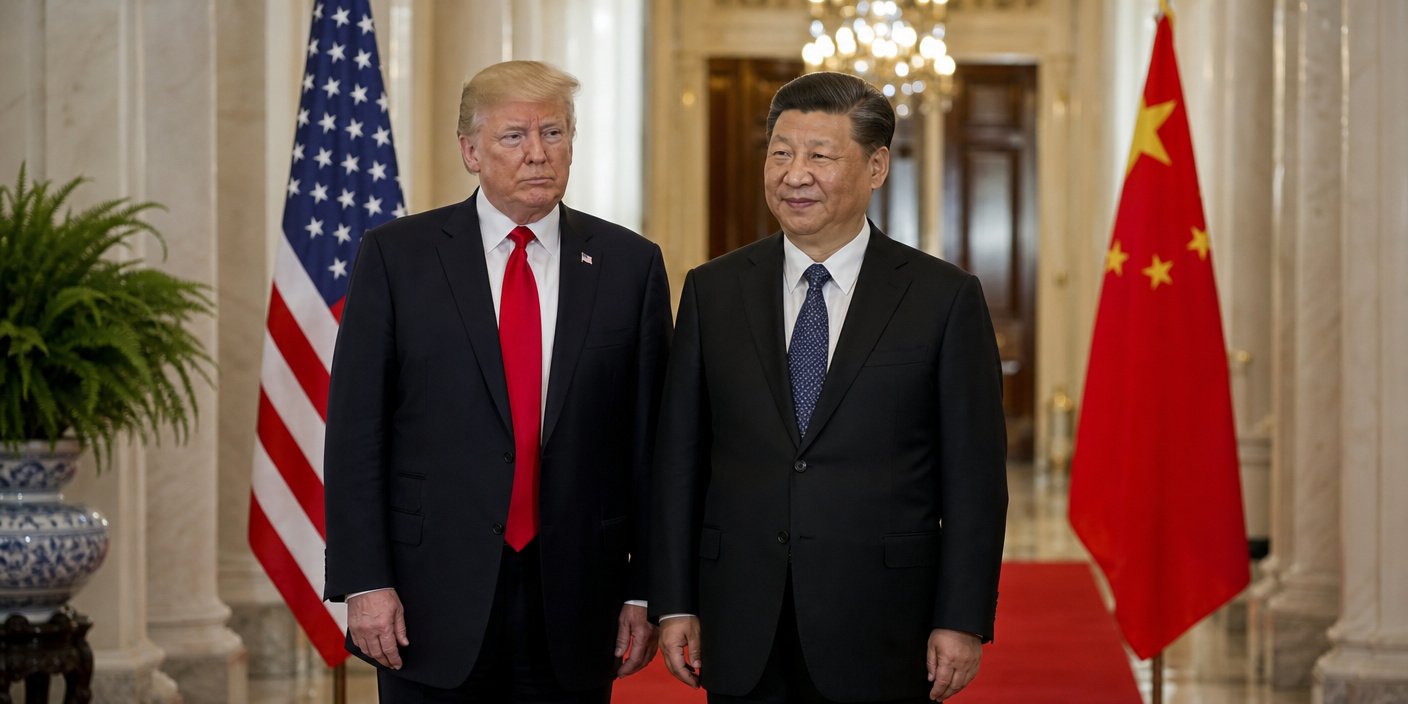
Former President Donald Trump’s recent characterization of Taiwan as a “good negotiating chip” with China has sent ripples of anxiety through international diplomatic circles and financial markets.
Key Highlights:
- Trump’s remarks suggest a transactional approach to Taiwan’s security.
- The comments have amplified concerns about the stability of the Indo-Pacific region.
- Analysts warn of potential shifts in US foreign policy under future Trump administrations.
- Taiwan’s government has expressed its commitment to self-defense.
Shifting Sands: Taiwan’s Strategic Value Under Scrutiny
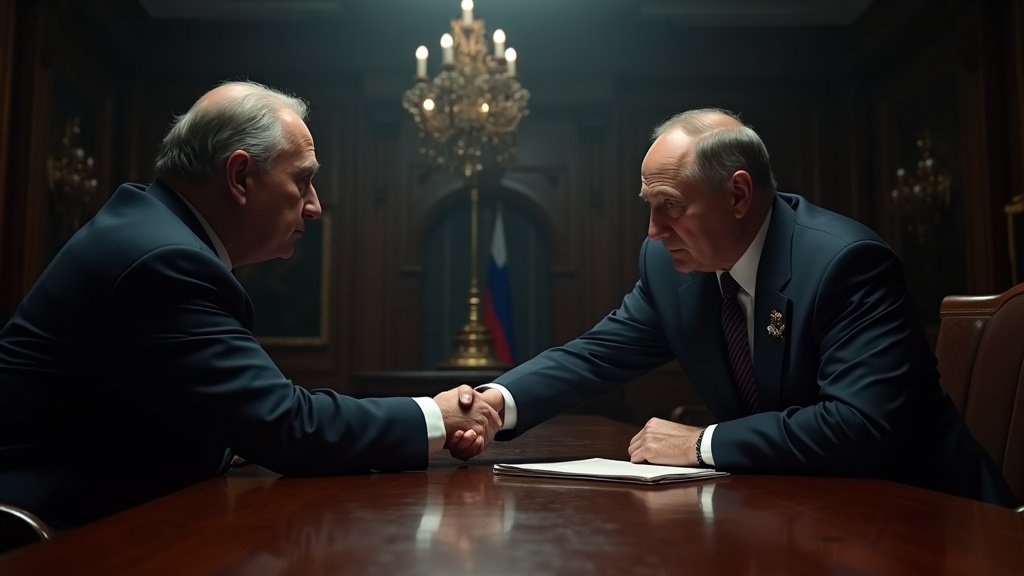
Donald Trump’s recent public statements regarding Taiwan have ignited a firestorm of concern, placing the island’s precarious geopolitical position under an intense spotlight. By referring to Taiwan as a potential “negotiating chip” in discussions with Beijing, Trump has not only deviated from established US diplomatic norms but also raised profound questions about the future of American commitments in the Indo-Pacific. This framing suggests a transactional view of sovereignty and security, a stark departure from the bipartisan consensus that has historically underpinned US-Taiwan relations. The implications are far-reaching, potentially emboldening China while undermining Taiwan’s efforts to solidify its international standing and deter aggression.
The “One China” Policy and its Nuances
The United States officially acknowledges Beijing’s “one China” policy but has maintained robust unofficial relations with Taiwan, including arms sales under the Taiwan Relations Act. Trump’s “negotiating chip” comment, however, appears to disregard the nuanced approach that has preserved a delicate balance for decades. Critics argue that such language risks undermining the strategic ambiguity that has served as a deterrent, potentially signaling to Beijing that Taiwan’s status is open for overt negotiation, thereby increasing the likelihood of coercive actions.
Economic and Geopolitical Repercussions


Taiwan’s significance extends far beyond its strategic location. It is a linchpin in the global supply chain, particularly for advanced semiconductors. Any instability or conflict in the region would have catastrophic economic consequences worldwide. Trump’s remarks have therefore not only unsettled political observers but also triggered anxieties within the global business community. The prospect of Taiwan being used as a bargaining tool could destabilize global markets, disrupt critical industries, and lead to a significant re-evaluation of investment strategies across Asia.
Taiwan’s Response and Regional Dynamics
Taipei has consistently maintained that its future must be decided by its own people. The government has reiterated its commitment to enhancing its self-defense capabilities and strengthening its international partnerships. However, Trump’s comments could complicate these efforts, creating uncertainty about the level of US support. Meanwhile, regional players like Japan and South Korea are closely monitoring the situation, as any shift in the US stance on Taiwan would inevitably impact their own security calculations and foreign policy alignments. The delicate regional balance is susceptible to even minor tremors, and Trump’s pronouncements have certainly caused a significant one.
Historical Context and Future Policy
This is not the first time Trump has adopted a transactional approach to foreign policy. Throughout his presidency, he often prioritized bilateral deals and questioned long-standing alliances. His approach to China, while sometimes confrontational, was also characterized by attempts at direct negotiation. However, the specific mention of Taiwan as a potential concession signals a potentially more volatile dynamic. If a future Trump administration were to pursue such a policy, it would represent a seismic shift, forcing a fundamental recalibration of global power structures and alliances.
FAQ: People Also Ask
What is the US “one China” policy?
The US “one China” policy is a complex diplomatic acknowledgment of Beijing’s claim over Taiwan. While the US recognizes Beijing’s position that there is only one China, it does not explicitly endorse the People’s Republic of China’s sovereignty claim over Taiwan. The US maintains robust unofficial relations with Taiwan, including diplomatic exchanges and arms sales for its self-defense.
Why is Taiwan important to the global economy?
Taiwan is a global leader in semiconductor manufacturing, producing a significant portion of the world’s most advanced chips. These semiconductors are essential components for a vast array of products, from smartphones and computers to automobiles and advanced military equipment. Disruptions to Taiwan’s chip production would have severe global economic consequences.
How has China reacted to previous US statements on Taiwan?
China views Taiwan as a renegade province and has consistently opposed any actions or statements that suggest international recognition or support for Taiwan’s independence. Beijing typically responds to perceived slights or threats to its sovereignty with strong diplomatic protests, military signaling, and increased pressure on Taiwan.
What are the implications of using Taiwan as a “negotiating chip”?
Using Taiwan as a “negotiating chip” implies treating its sovereignty and security as a commodity to be traded for concessions in other areas, such as trade or security guarantees. This approach could undermine Taiwan’s autonomy, increase the risk of Chinese aggression, and destabilize the Indo-Pacific region by signaling a potential reduction in US commitment to Taiwan’s defense.
How do Taiwanese people feel about their relationship with the US and China?
Public opinion in Taiwan generally favors maintaining the status quo, with a strong desire for self-determination and protection against Chinese pressure. While there is appreciation for US support, there is also a recognition of the need for Taiwan to bolster its own defense capabilities. The dominant sentiment is a commitment to preserving Taiwan’s democratic way of life and de facto independence.