As the world recalibrates in the wake of shifting U.S. foreign policy, a growing consensus is emerging among America’s traditional allies: Europe is poised to become the central pillar in constructing a new global order. This strategic pivot reflects a desire for greater European autonomy and a multilateral approach to international challenges.
Key Highlights:
- European nations are increasingly taking the lead on global issues.
- A focus on multilateralism and international cooperation is paramount.
- The absence of consistent U.S. leadership is a driving factor.
- Allies are seeking to build a more predictable and stable international framework.
Europe’s Ascendancy in Global Diplomacy
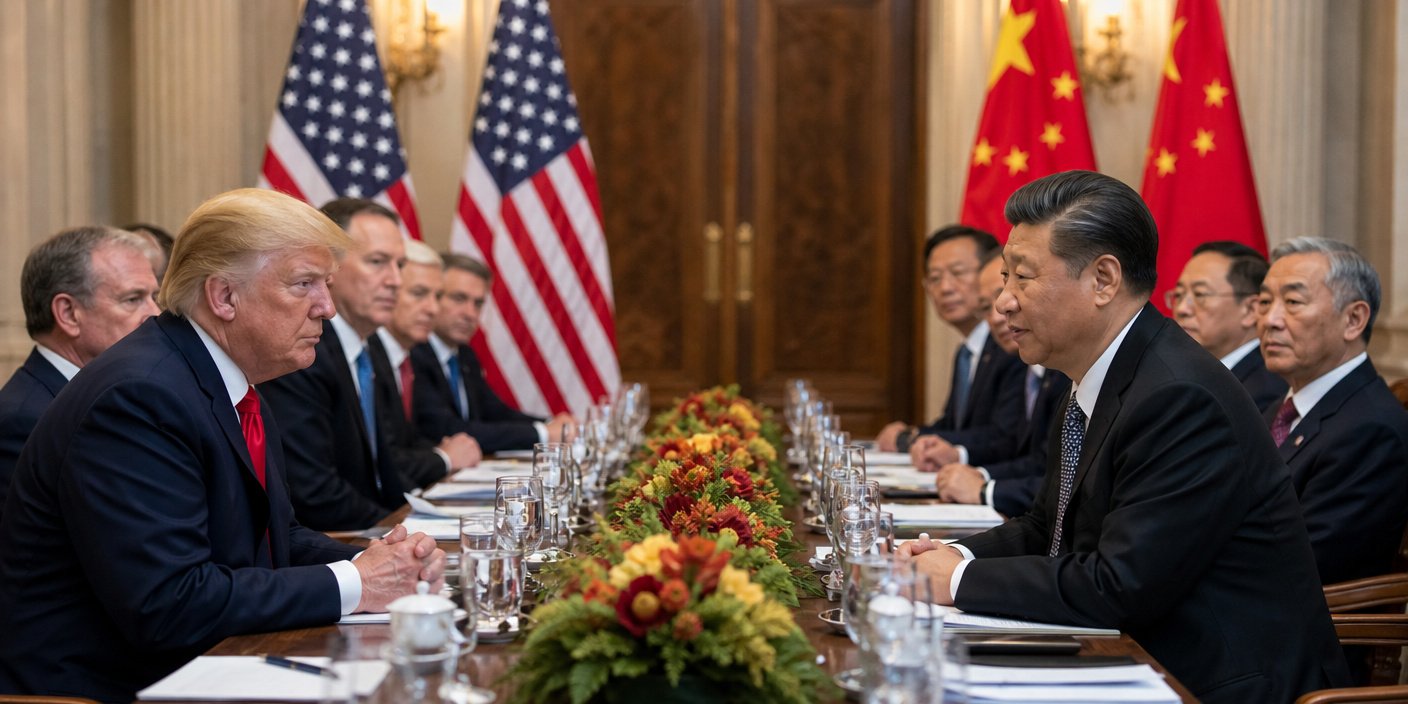
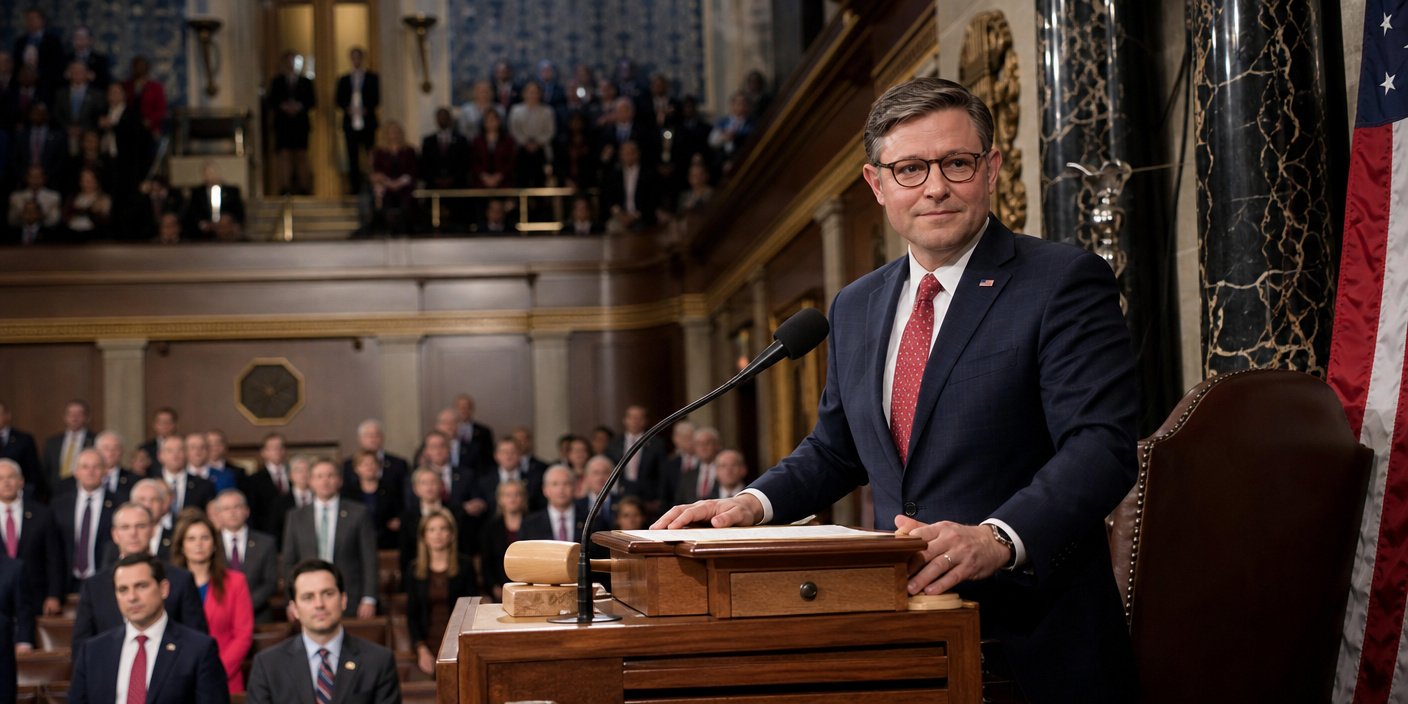
The geopolitical landscape is in flux, with U.S. allies increasingly looking towards Europe to provide the leadership and stability necessary to navigate a complex world. The perceived unpredictability of American foreign policy under the Trump administration has spurred a proactive stance among European powers, fostering a renewed sense of purpose and a commitment to multilateralism. This is not merely a reaction to past events but a forward-looking strategy to build a more resilient and cooperative global order, one that can effectively address pressing issues such as climate change, economic instability, and security threats.
A New Era of European Leadership
European nations, long a cornerstone of the post-World War II international system, are stepping into a more prominent role. The European Union, with its vast economic power and diplomatic network, is increasingly seen as the primary architect of this new order. Member states are coordinating their foreign policy more closely, presenting a more unified front on the international stage. This collaborative approach is essential for tackling global challenges that transcend national borders and require collective action. The emphasis is shifting from unilateral directives to consensus-building and shared responsibility, a stark contrast to the ‘America First’ doctrine that characterized the previous U.S. administration.
Multilateralism as the Guiding Principle




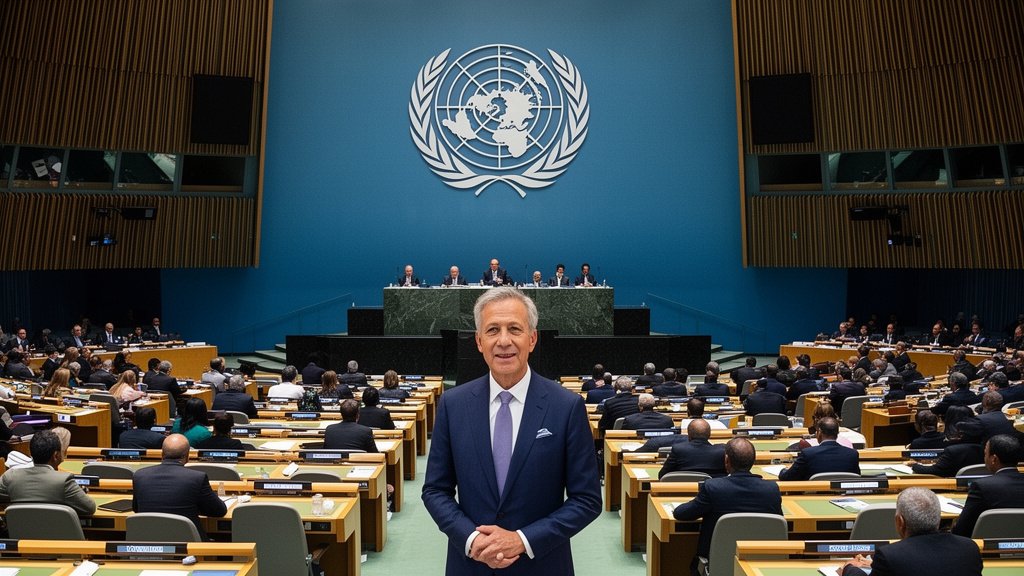
The bedrock of this emerging European-led order is a deep-seated commitment to multilateralism. Allies recognize that global problems demand global solutions, and that no single nation, however powerful, can effectively address them alone. This philosophy is driving initiatives aimed at strengthening international institutions, fostering dialogue, and promoting cooperation among a diverse range of actors. The focus is on creating a stable and predictable international environment where rules are respected and cooperation is the norm, rather than confrontation. This approach seeks to re-establish a sense of order and shared purpose in a world that has grown increasingly fragmented.
Addressing Global Challenges
Europe’s renewed diplomatic vigor is being channeled into addressing critical global issues. Climate action, economic recovery in the post-pandemic era, and security cooperation are at the forefront. The EU has set ambitious climate targets and is actively engaging in international negotiations to combat global warming. Similarly, coordinated economic policies are being developed to foster sustainable growth and mitigate the impact of global economic shocks. In terms of security, European nations are strengthening their defense cooperation and exploring ways to enhance regional stability, often in partnership with international organizations.
The Role of Transatlantic Relations
While Europe is taking a more central role, the importance of transatlantic relations remains. The shift is not about abandoning allies but about redefining the partnership. European leaders are seeking a more balanced relationship, where responsibilities and leadership are shared more equitably. This involves encouraging a more engaged and constructive U.S. role within a multilateral framework, rather than a dominant, unilateral one. The goal is to rebuild a robust alliance system that can effectively confront 21st-century challenges.
FAQ: People Also Ask
What is meant by a ‘post-Trump global order’?
‘Post-Trump global order’ refers to the international system and the relationships between nations that are expected to emerge or be shaped after the period of Donald Trump’s presidency. It implies a potential shift away from the ‘America First’ policies and unilateral approach that characterized his term, towards a more multilateral, cooperative, and predictable international framework, with a potentially greater emphasis on European leadership.
Why are U.S. allies looking to Europe for leadership?
U.S. allies are increasingly looking to Europe due to a perceived decline in consistent U.S. global leadership and a desire for more predictable, multilateral cooperation. The European Union, with its economic strength and commitment to international law and diplomacy, is seen as a stable and reliable partner capable of addressing complex global challenges.
How is Europe preparing to take on a larger global role?
Europe is preparing to take on a larger global role by strengthening its internal cohesion, coordinating foreign policy among EU member states, enhancing its defense capabilities, and actively engaging in international forums and initiatives. The focus is on reinforcing multilateralism and promoting a rules-based international order.
What are the main challenges facing this new European-led order?
Key challenges include maintaining unity among diverse EU member states, effectively responding to security threats, managing economic disparities, and navigating complex geopolitical rivalries. Additionally, rebuilding trust and cooperation with a potentially re-engaged but still evolving U.S. presence will be crucial.
Will this new order exclude the United States?
This new order is not intended to exclude the United States but rather to redefine the transatlantic relationship. European allies seek a more balanced partnership where responsibilities are shared, and the U.S. engages constructively within a multilateral framework. The aim is to build a more inclusive and cooperative global system.