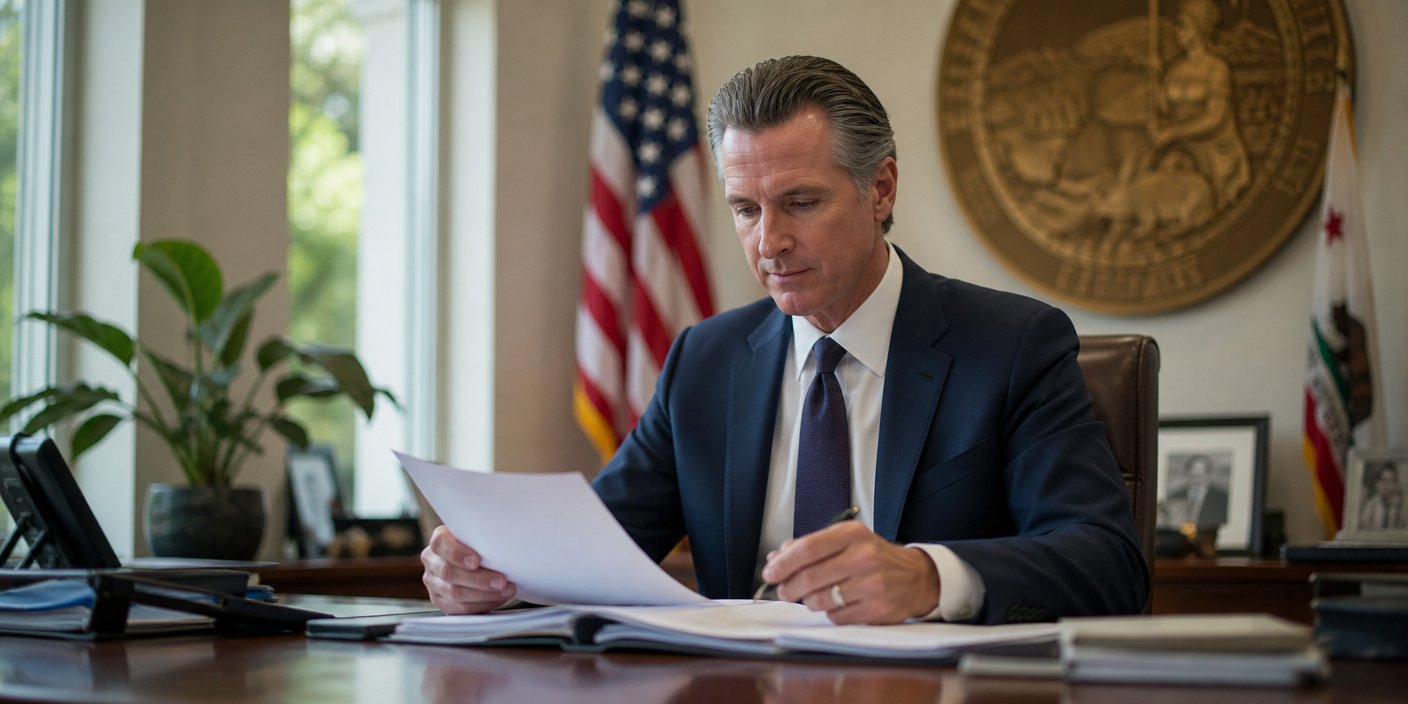
The Supreme Court is set to hear arguments regarding the Trump administration’s aggressive push to dismantle Temporary Protected Status (TPS) protections for thousands of migrants from Haiti and Syria. This legal confrontation stands as a defining moment in the administration’s broader efforts to reshape the U.S. immigration landscape, raising fundamental questions about the limits of executive power, the scope of judicial review, and the humanitarian obligations of the state.
The Legal Tug-of-War: Executive Power vs. Judicial Oversight
At the heart of the current legal battle lies a clash between the Executive Branch’s discretionary authority and the role of the judiciary in reviewing administrative decisions. The Justice Department, representing the Trump administration, maintains a firm stance that the Secretary of the Department of Homeland Security (DHS) holds plenary power to terminate TPS designations. Federal attorneys have argued that the statute governing TPS explicitly bars judicial review, effectively shielding the administration’s decisions from being challenged in court.
“No judicial review means no judicial review,” government lawyers have emphasized in their filings, asserting that the legislative text leaves no room for judges to second-guess the national security or foreign policy justifications provided by the administration. This argument relies on a strict interpretation of the Immigration and Nationality Act, suggesting that once the DHS Secretary determines that the conditions in a designated country no longer warrant protected status, that decision is final.
Conversely, legal representatives for the approximately 350,000 Haitian and 6,000 Syrian migrants currently shielded by TPS contend that the administration’s actions were procedurally deficient and fundamentally flawed. Attorneys argue that the government failed to follow the rigorous administrative steps mandated by the law, effectively short-circuiting the process to reach a predetermined outcome. This argument hinges on the assertion that while the Secretary has the power to end the program, that power is not absolute and must be exercised within the bounds of the law, including providing a reasoned analysis for the policy shift. The legal teams argue that ignoring the evidence of ongoing instability and violence in these countries constitutes a violation of the government’s own statutory duties.
The Human Cost: Real-World Consequences of Policy Shifts
The legal abstractions of administrative law often obscure the tangible, often devastating, impact on the individuals caught in the crosshairs. For those holding TPS, the program has been a lifeline, allowing them to live and work legally in the United States while their home countries grapple with civil war, natural disasters, and political collapse. Since the start of the administration’s renewed push to terminate these protections for 13 countries, the consequences have already been felt across communities.
Advocacy groups, including Just Futures Law, have highlighted harrowing reports of individuals who were deported only to face violence, targeted persecution, and death in their home countries. The argument is not merely about residency or work authorization; it is about the right to life. Lawyers have presented evidence of deportation cases where individuals, upon returning to Haiti or Syria, were exposed to immediate danger. The administration’s policy, critics argue, ignores the reality on the ground—that these nations remain, in many respects, unsafe for those who were granted refuge in the U.S. decades ago.

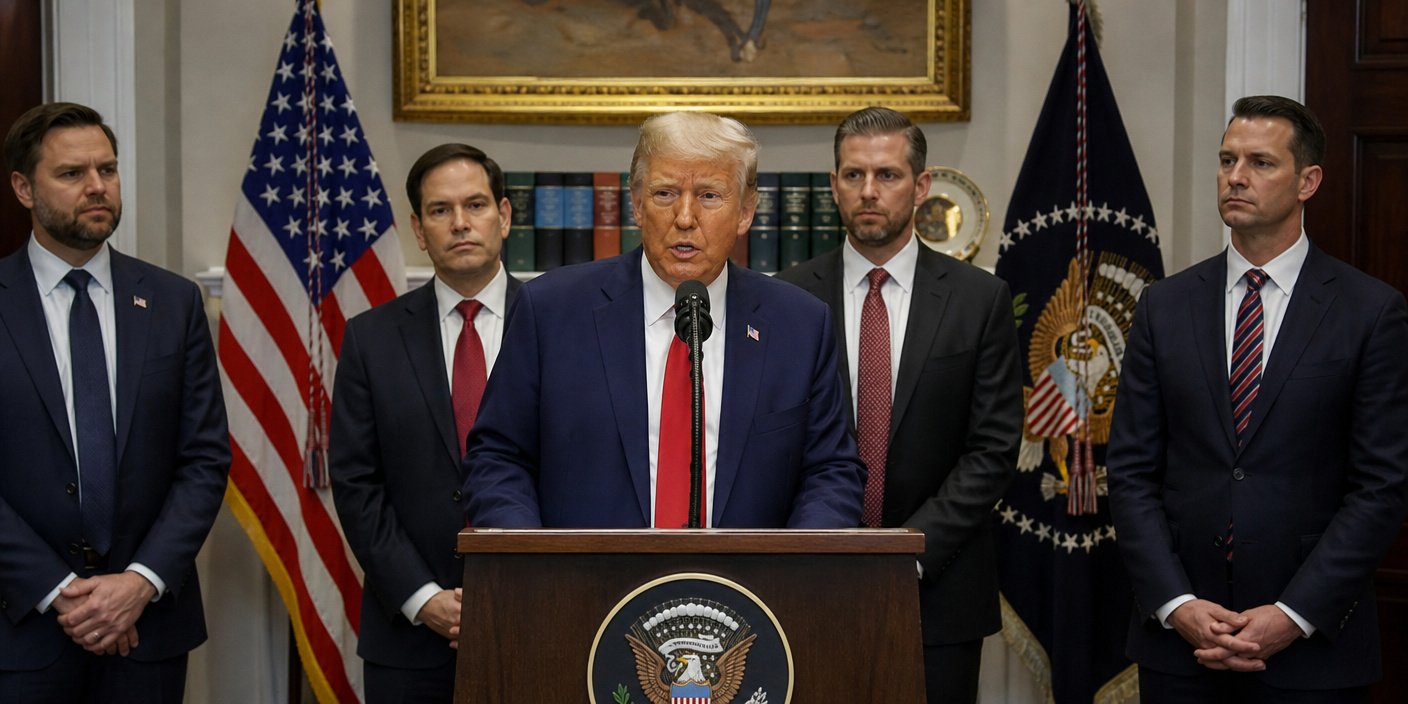


For many families, the uncertainty of the Supreme Court’s ruling creates a state of perpetual instability. Some have lived in the United States for over a decade, building careers, raising U.S.-citizen children, and contributing to local economies. The prospect of losing legal status in a matter of weeks, as seen in some previous instances, threatens to dismantle these lives overnight, forcing families to choose between the safety of the U.S. and the instability of their countries of origin.
Analyzing the Broader Immigration Strategy
This Supreme Court case is one pillar in a much larger, coordinated strategy by the Trump administration to restrict legal avenues for migration. The administration’s approach has been characterized by a multi-pronged assault on various forms of humanitarian relief, including asylum, refugee status, and, as in this case, TPS.
By challenging the authority of the courts to intervene, the administration is pushing to establish a legal precedent that could insulate future immigration policies from judicial oversight. If the Supreme Court rules in favor of the administration, it could trigger a domino effect, potentially allowing for the termination of TPS for citizens of the remaining countries in the program—potentially affecting up to 1.3 million people.
Legal scholars point out that this case is a litmus test for the judiciary’s appetite for executive restraint. While the Court has previously shown deference to the executive branch on matters of immigration and national security, this case forces the justices to weigh that deference against the potential for administrative overreach. The outcome will likely serve as a roadmap for how the current administration pursues its agenda for the remainder of its term, signaling whether the judiciary will serve as a check on executive power or act as a passive observer.
Future Implications and Legislative Outlook
Looking ahead, the ramifications of this decision extend far beyond the immediate futures of Haitian and Syrian migrants. A ruling that affirms the administration’s ‘no judicial review’ stance could fundamentally alter the balance of power in administrative law. It would signify a shift where the executive branch has near-unilateral authority over immigration policy, with minimal recourse for those adversely affected by such decisions.
Conversely, if the Supreme Court rules that judicial review is permissible, it would reaffirm the principle that executive power, while broad, is not unlimited. This would keep the door open for legal challenges against future administrative actions, ensuring that the government remains accountable to the law and the public interest. As the case proceeds, the eyes of the nation remain fixed on the High Court, waiting to see how it will interpret the limits of authority in an era of intense political polarization and shifting priorities regarding who is welcome within the U.S. borders.
FAQ: People Also Ask
Q: What is Temporary Protected Status (TPS)?
A: TPS is a temporary immigration status granted to eligible nationals of designated countries who are unable to return safely due to ongoing armed conflict, environmental disaster, or other extraordinary, temporary conditions.
Q: How many people are currently affected by the threat to TPS?
A: If the administration’s push is upheld, it could potentially strip protections from approximately 1.3 million people from 17 countries, including those from Haiti and Syria.
Q: Why does the administration argue that courts cannot review their decision?
A: The government argues that the governing statute specifically grants the DHS Secretary the power to end the program and explicitly prohibits courts from reviewing these policy-based, discretionary decisions.
Q: What happens if the Supreme Court rules against the migrants?
A: A ruling against the migrants would likely allow the Department of Homeland Security to proceed with the termination of their TPS status, potentially leading to the revocation of work permits and legal residency, making these individuals subject to deportation proceedings.