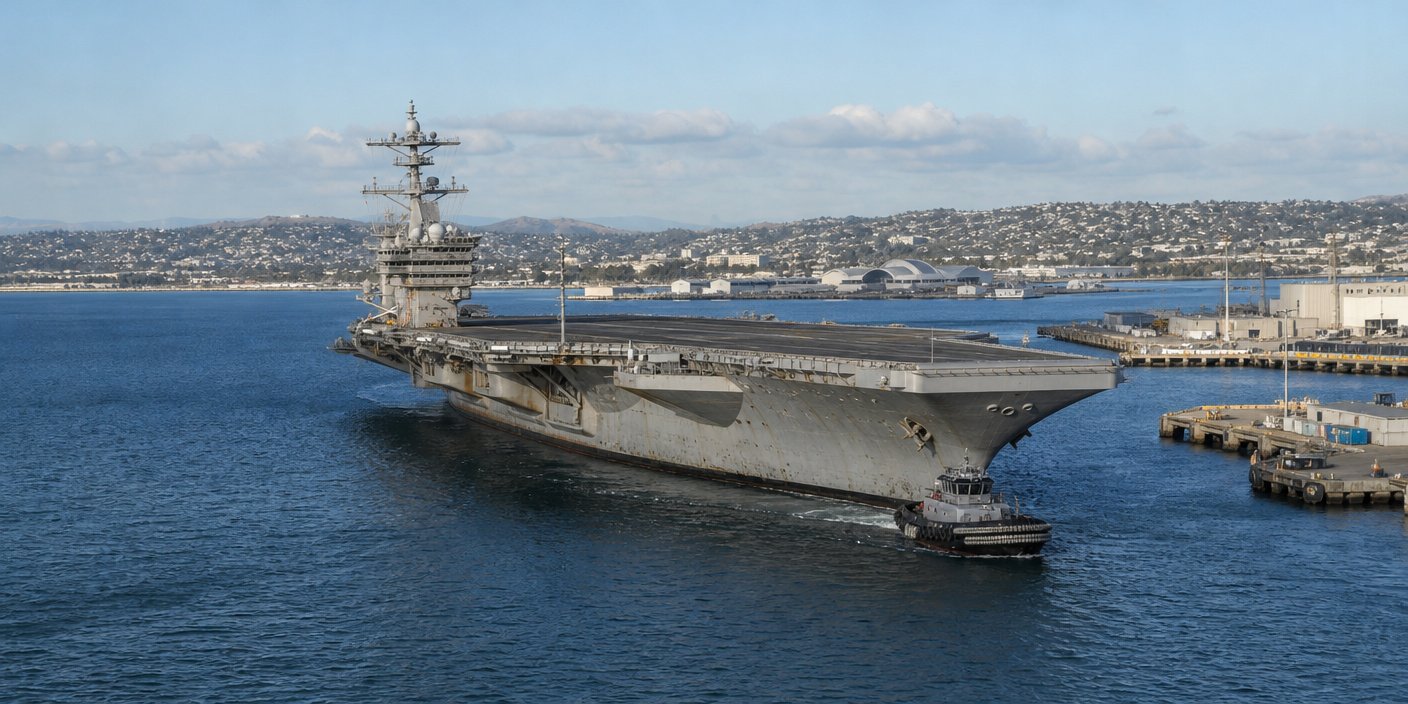
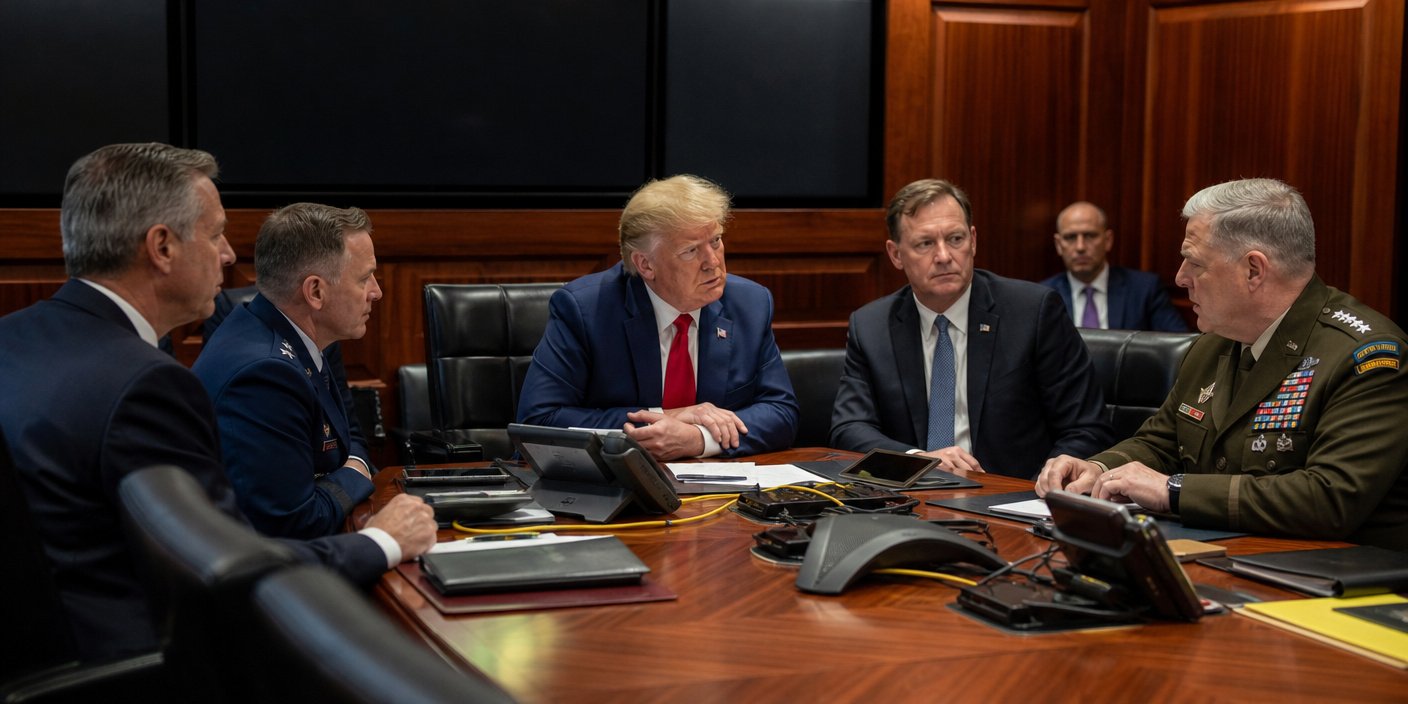
In a decisive shift in the ongoing Middle East conflict, the United States Navy has moved to enforce a blockade of all maritime traffic entering and exiting Iranian ports, effective Monday, April 13, 2026. This escalation comes less than 24 hours after the failure of high-stakes peace negotiations in Islamabad, where U.S. and Iranian delegations failed to secure a framework to end the ongoing war. The move, ordered by President Donald Trump, directly challenges Tehran’s control over one of the world’s most critical maritime chokepoints and has triggered immediate volatility in global energy markets.
Key Highlights
- Strategic Blockade: U.S. Central Command (CENTCOM) confirmed that the blockade focuses on vessels traveling to and from Iranian ports, specifically targeting those deemed to have paid transit tolls to the Iranian government.
- Diplomatic Failure: The announcement follows the collapse of marathon 21-hour peace talks in Islamabad, where neither side could agree on the future of Iran’s nuclear program or security guarantees.
- Market Reaction: Brent crude futures surged nearly 8% to over $102 per barrel as global shipping firms began rerouting vessels away from the Strait of Hormuz.
- Military Tensions: The Islamic Revolutionary Guard Corps (IRGC) has issued a warning, characterizing the U.S. naval presence as a violation of the ceasefire and threatening a “forceful response” against approaching military vessels.
The Strategic Chokepoint: Understanding the Blockade
The Strait of Hormuz, a narrow waterway connecting the Persian Gulf with the Gulf of Oman and the Arabian Sea, remains the world’s most vital artery for global energy. Before the current hostilities began, approximately 20% of the world’s oil supply transited this 100-mile-long channel. The decision by the United States to effectively seize control of traffic entering Iranian ports represents a significant geopolitical gamble, moving from diplomatic deadlock to active maritime interdiction.
The Failure of the Islamabad Accord

The impetus for this blockade lies in the failed discussions held in Pakistan over the weekend. Delegations led by Vice President JD Vance and Iranian officials sought to capitalize on a fragile two-week ceasefire that began on April 7. However, the talks, described as the highest-level meetings between the two nations since the 1979 Islamic Revolution, were derailed by core disagreements. While the U.S. sought ironclad guarantees regarding nuclear non-proliferation and an end to proxy support for militant groups, Tehran insisted on the removal of sanctions, the release of frozen assets, and, critically, the right to maintain control over the Strait’s transit logistics. The impasse led to a rapid deterioration of the fragile peace, resulting in the current naval enforcement order.
CENTCOM’s Operational Mandate
U.S. Central Command has clarified that the blockade is not a total closure of the Strait for international shipping. Instead, the mandate is specifically designed to target traffic affiliated with Iranian ports and coastal areas. CENTCOM noted in a public statement that the blockade will be enforced impartially against vessels of any nation entering or departing Iranian-controlled waters. This technical distinction is aimed at minimizing global economic shock, though shipping insurers and energy traders remain skeptical. Lloyd’s List Intelligence has already reported that all traffic through the Strait momentarily ceased following the announcement, with several supertankers opting to turn back or anchor in safer waters, awaiting further clarity from Washington.
Economic Implications and Market Volatility
Energy markets reacted violently to the news. With oil prices spiking above the $100-per-barrel mark, the primary concern for global economists is whether this blockade will be a temporary tactical measure or a long-term economic constraint. The price of Brent crude futures, which had been stabilizing during the two-week ceasefire, erased previous gains within hours of the announcement. Industrialized nations in Europe and Asia, heavily dependent on Gulf energy, are now bracing for supply chain disruptions, prompting emergency meetings among G7 energy ministers to discuss potential strategic reserve releases.
The IRGC’s Escalation Posture
Tehran’s response has been immediate and combative. The Islamic Revolutionary Guard Corps (IRGC) has utilized state-controlled media to condemn the blockade as “maritime piracy.” More concerning to military analysts is the explicit threat issued by Iranian naval commanders, who have stated that any approaching military vessels—specifically those of the U.S. Navy—will be met with a “firm and forceful response.” This sets the stage for a potential naval standoff, with the U.S. Navy initiating mine-clearing operations to secure navigation paths, and Iranian forces remaining entrenched in their defensive posture.
FAQ: People Also Ask
Why is the U.S. Navy targeting vessels that paid tolls to Iran?
The U.S. government views the tolls collected by Iran as an illegal mechanism to generate revenue that funds the war effort and prohibited nuclear ambitions. By interdicting these vessels, the U.S. aims to choke off Iranian revenue streams while simultaneously asserting control over the Strait’s security architecture.
Will this blockade stop all ships from entering the Strait of Hormuz?
No. CENTCOM has explicitly stated that the blockade will not impede freedom of navigation for vessels transiting the Strait to and from non-Iranian ports. The directive is aimed specifically at vessels entering or departing Iranian coastal areas and ports.
What are the risks of a broader naval conflict?
The primary risk is accidental escalation. With both U.S. and IRGC naval vessels operating in close proximity within a narrow waterway, any miscalculation or aggressive maneuver could trigger a direct military engagement. The rhetoric from both sides suggests a willingness to use force, which complicates de-escalation efforts by international mediators.