The Middle East is engulfed in a deepening crisis. Iran launched new strikes across the Gulf on Sunday. These attacks hit vital infrastructure. They also caused civilian casualties. Meanwhile, Israel issued a stark warning. It vowed to pursue Iran’s next supreme leader. This marks a dangerous escalation. The region faces immense turmoil.
Iran’s Gulf Assault Intensifies
Several Gulf nations reported new Iranian attacks. Saudi Arabia intercepted fifteen drones. Qatar faced ten ballistic missiles. Six more drones were destroyed near Riyadh. Kuwait’s international airport became a target. Drones struck fuel tanks there. A large fire engulfed a government tower. The Public Institution for Social Security building was hit. The Kuwaiti military called it a direct targeting. Firefighters battled the blaze. The fire was eventually brought under control.
Bahrain also reported significant damage. An Iranian drone attack hit a water desalination plant. This was the first time an Arab nation reported Iran targeting such a facility. Falling missile debris injured three people. It also damaged a university building. Bahrain’s water authority stated supplies were not impacted.
Civilian Casualties and Collateral Damage
The attacks were not confined to infrastructure. In the UAE, debris from an aerial interception killed a driver. This tragic incident occurred in Dubai’s Al Barsha area. It raised the toll of foreign nationals killed in the UAE to four. Other debris struck a tower facade in Dubai Marina. Fortunately, no injuries were reported there.
Kuwait’s national oil company took action. It announced a “precautionary” cut to crude oil production. This decision followed the drone strikes. Iran’s judiciary chief stated strikes would continue. He targeted countries “at the disposal of the enemy”. This defied earlier apologies from Iran’s president.
Israel’s Stark Warning on Succession
Israel delivered a grave warning. Its military stated it would pursue any successor to Iran’s Supreme Leader Ali Khamenei. Khamenei was recently killed in a US-Israeli strike. Israel vowed to target anyone involved in appointing a new leader. Defence Minister Israel Katz declared them “targets for elimination”. He stated this applied regardless of their name or location.
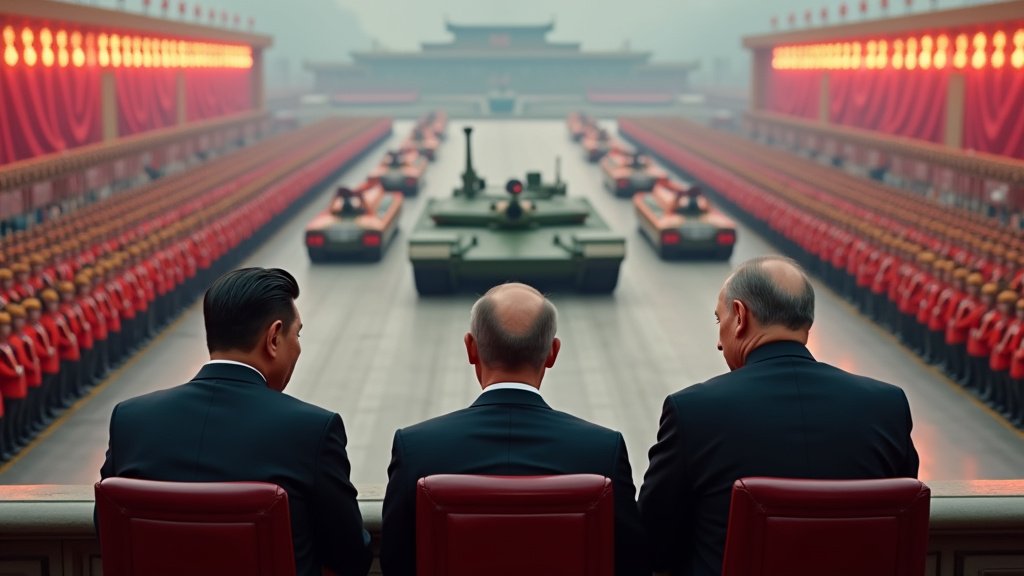

The Assembly of Experts is tasked with choosing the next supreme leader. Reports indicated a consensus was emerging. Israel had previously targeted a building linked to this body. The threat signifies a major escalation of Israeli objectives. This marks a new phase in the widening war.
Global Reactions and Regional Alignments
The escalating conflict drew global attention. UN Secretary-General António Guterres warned of grave risks. He stated the world economy faces peril. The situation could spiral “beyond anyone’s control”. He urged an immediate halt to fighting. Serious diplomatic negotiations are needed. UN relief chief Tom Fletcher described it as a “moment of grave peril”. He highlighted staggering war funding versus aid cuts. UNHCR declared the crisis a major humanitarian emergency.
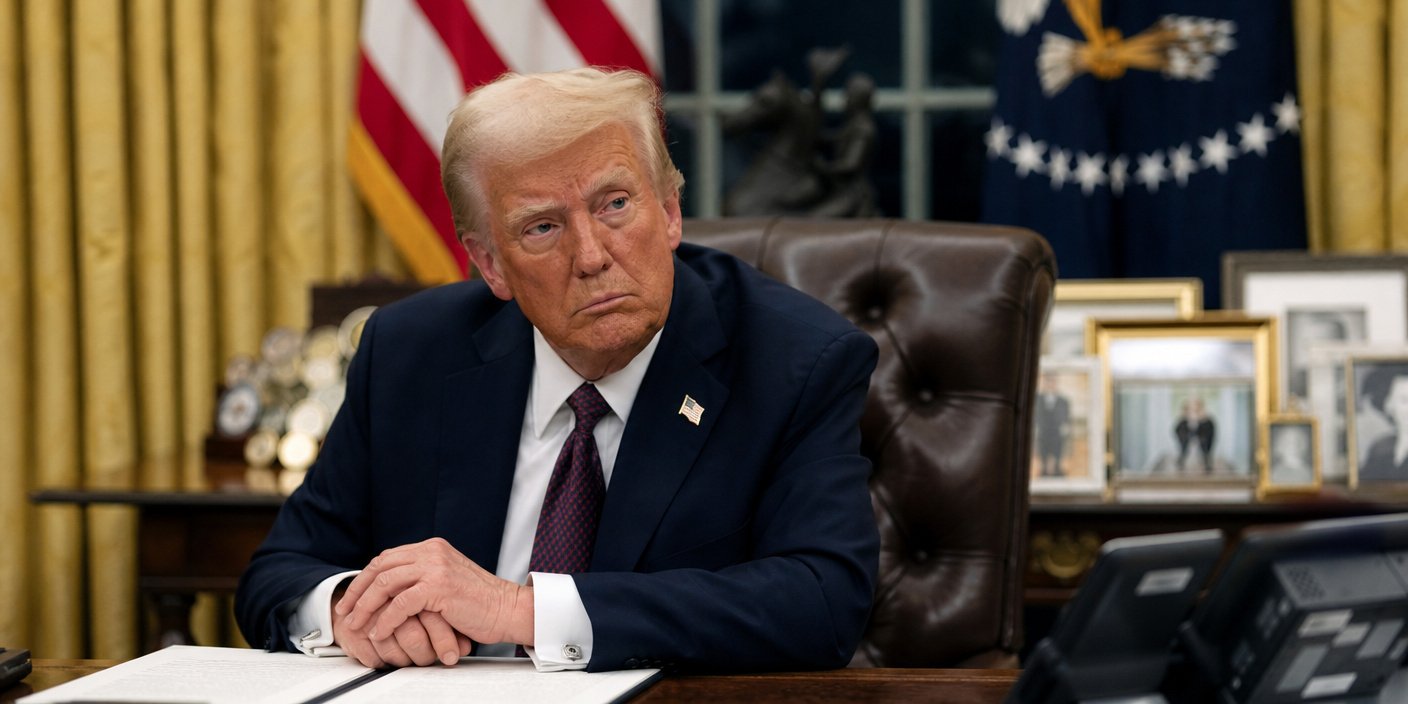
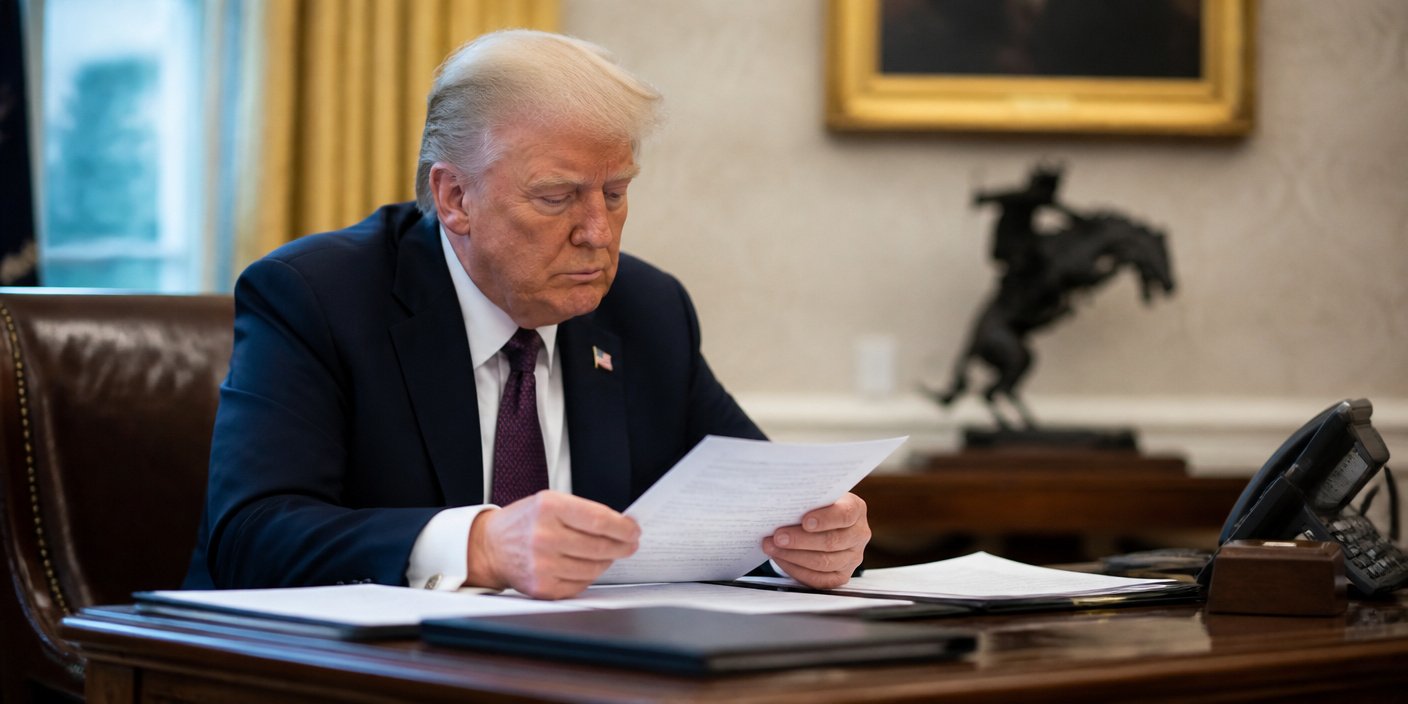
US President Donald Trump offered his perspective. He claimed Iran was being “decimated”. He dismissed talk of negotiation with Iran. China’s Foreign Minister Wang Yi called for an immediate stop to military actions. He expressed hope for better US-China relations [cite: initial context].
The Iranian strikes had an unintended consequence. They pushed Gulf states closer to Israel. By targeting civilian infrastructure, Iran united regional rivals. Countries like Qatar, the UAE, and Bahrain, previously cautious, now find common ground with Israel. The conflict transformed into a broader regional confrontation.
Background of a Widening War
This intensified conflict follows US and Israeli strikes on Iran. The war officially began on February 28, 2026. Iran responded with strikes against US targets. It also hit bases in Gulf countries. Israel attacked targets in Lebanon. This tit-for-tat escalation draws more nations in.
Iran’s President Masoud Pezeshkian had apologized to Gulf nations. He stated Iran would not target them unless attacked first. However, hardliners and factions within Iran pushed back. Pezeshkian later claimed his words were misinterpreted. The judiciary chief reinforced Iran’s intent to strike.
Humanitarian Toll and Uncertain Future
The ongoing conflict inflicts a heavy humanitarian toll. Civilians bear the brunt of attacks. Homes, hospitals, and schools are hit. Mass displacement is occurring across the region. Millions already displaced face further hardship.
In Lebanon, thousands fled their homes. Evacuation orders emptied southern suburbs. Many are displaced with nowhere safe to go. The Middle East already hosts one of the world’s largest displacement crises.
The world watches with concern. The latest news highlights a dangerous trajectory. The conflict risks wider regional destabilization. Its ultimate impact on global stability remains unclear. The news of these strikes dominates world headlines. The top news for today involves these critical developments.
Conclusion
The Middle East crisis continues its grim march. Iran’s strikes on Gulf nations and Israel’s threats against Iran’s leadership have heightened tensions. Civilian populations endure immense suffering. The geopolitical landscape shifts daily. This escalating war demands urgent international intervention for peace. The world hopes for de-escalation soon.