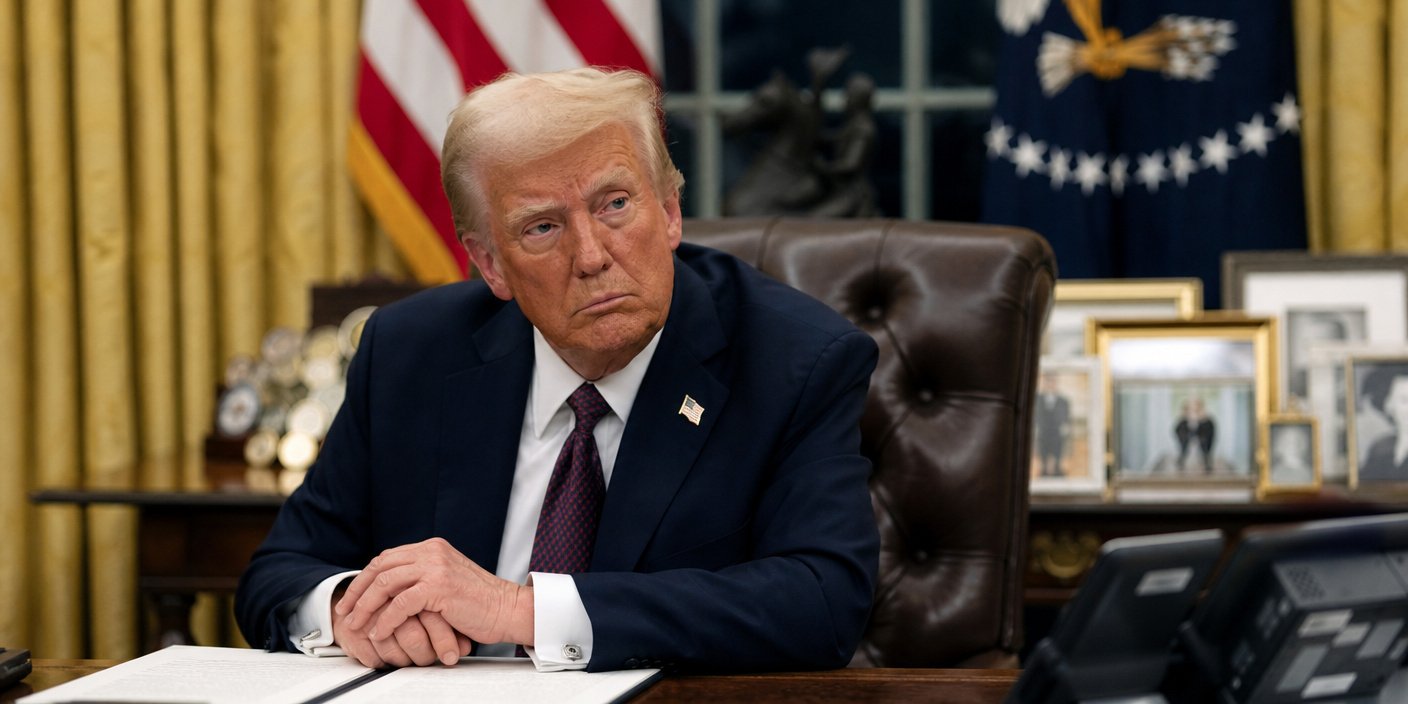
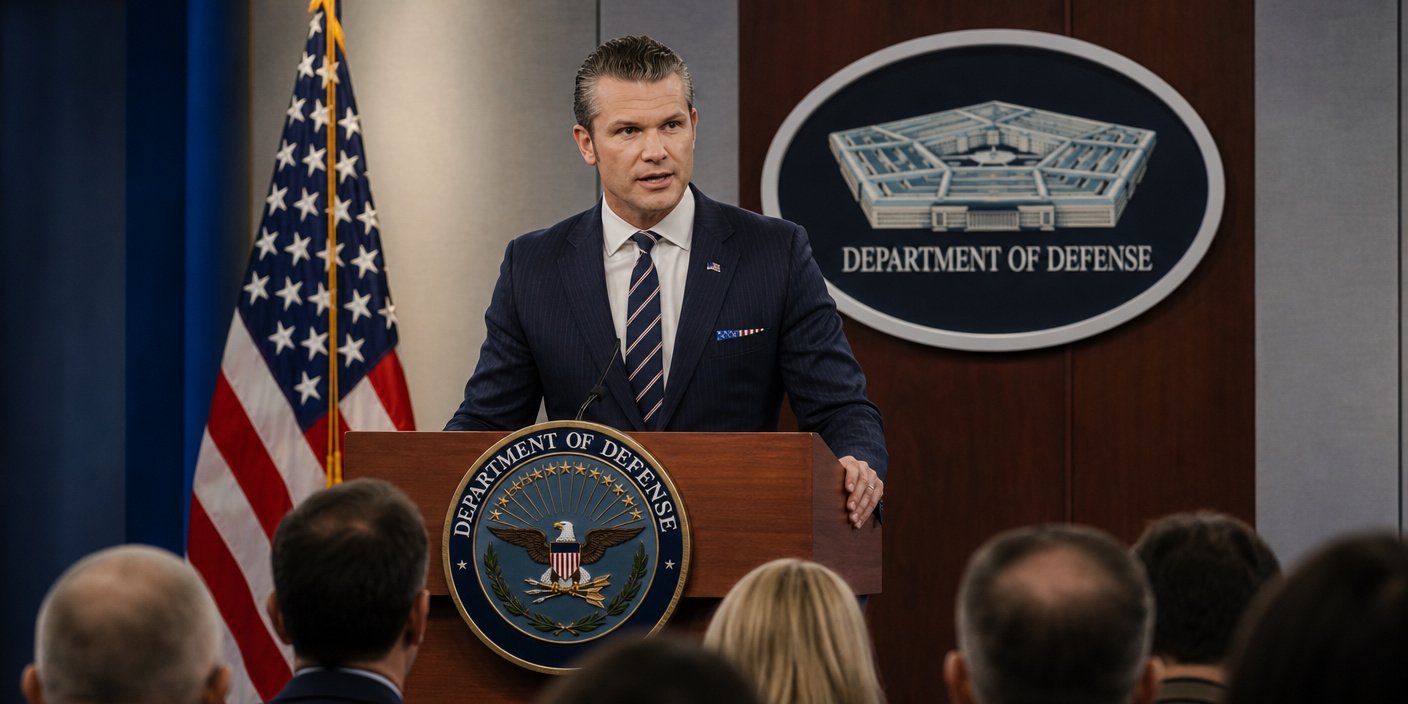
President Donald Trump launched a major military campaign against Iran. This action occurred without explicit congressional approval. It has ignited a fierce debate. This debate centers on constitutional war powers. Many argue this constitutes grounds for impeachment. It challenges the core of American governance. This news is significant for national society.
Constitutional War Powers Under Fire




The U.S. Constitution vests war declaration power solely with Congress. Article I, Section 8 clearly states this. The framers created this to prevent unchecked executive power. They feared single leaders dragging nations into war. European monarchs often held this power. The founders rejected that model. James Madison emphasized this separation. Presidents can act in emergencies. They can repel sudden attacks. However, initiating offensive wars requires congressional consent.
The Iran Operation and its Justification
On February 28, U.S. and Israeli forces initiated “Operation Epic Fury.” This campaign targeted Iran’s military and nuclear sites. It resulted in the death of Iran’s Supreme Leader, Ayatollah Ali Khamenei. President Trump himself called it a “war”. He described it as “massive and ongoing”. The administration cited eliminating imminent threats. It also mentioned Iran’s nuclear program. However, legal experts question these justifications. They note the absence of an imminent attack on the U.S..
Arguments for Impeachment
Critics argue Trump’s unilateral decision defies constitutional limits. They claim he usurped Congress’s war powers. This act is seen as an abuse of office. Some lawmakers and scholars view it as impeachable. They cite the president acting outside his authority. Eugene Fidell, an expert on armed conflict law, calls it an impeachable offense. The president’s assertion of unilateral war authority inverts constitutional design. This challenges the very foundation of American culture.
Congressional Inaction and the War Powers Resolution
Congress attempted to halt the hostilities. Lawmakers introduced War Powers Resolution measures. These aimed to stop military action without approval. The Senate rejected such a resolution. Most Republicans voted against it. The House also voted down similar legislation. This congressional split highlights a deep partisan divide. Many argue this inaction emboldens future executive overreach. The War Powers Resolution itself is seen as a tool of duration, not initial prevention.
Broader Implications for American Society
This conflict raises profound questions. It impacts American foreign policy and national security. The failure to consult Congress sets a worrying precedent. It weakens the legislative branch’s oversight role. This news affects American society at large. Many citizens want to avoid costly, endless wars. The debate over war powers is crucial for democracy. It reflects a tension between executive action and legislative consent. This news becomes a critical point in ongoing national discourse.
Conclusion
President Trump’s military campaign against Iran has stirred constitutional debate. The core issue remains: who decides when America goes to war? The Constitution clearly grants this power to Congress. The president’s unilateral action challenges this principle. It has led to calls for impeachment. Meanwhile, Congress has largely failed to assert its war powers. This situation tests the balance of power in the American system.