Trump’s Greenland Tariff Threat Sparks Global Market Sell-Off and Gold Rally

The exact nature of the Trump Greenland Tariff threat has sent shockwaves through global markets. US stock futures tumbled Monday, following President Trump’s warning that he would impose higher tariffs on eight European countries. This retaliatory measure is in response to their opposition to America’s ambition to control Greenland, a move that has significantly jolted global markets and strained US-European ties. This major business news highlights ongoing trade friction.
Escalation in the Greenland Dispute and Tariffs
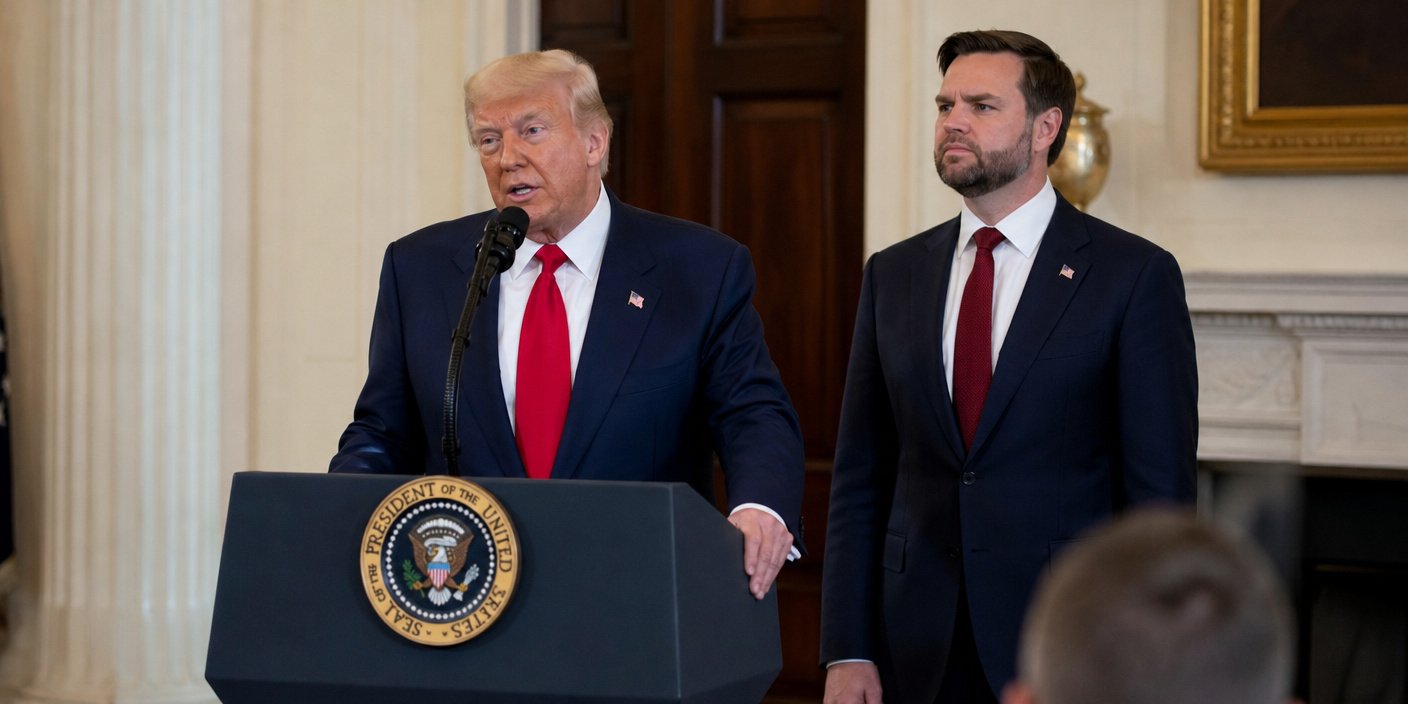
President Trump seeks to acquire Greenland, viewing the Arctic island as vital for US national security interests. This interest is not new; the US has long sought Greenland’s influence and established military bases there. Greenland, a semi-autonomous Danish territory, has seen its leaders and Denmark reject any sale, prioritizing their sovereignty. The Trump Greenland Tariff announcement on social media proposed a 10% tariff starting February 1st on all US imports from targeted nations, rising to 25% by June 1st. These tariffs would persist until a Greenland purchase deal is reached. Trump cited European troops participating in Arctic security exercises in Greenland as a perceived risk.
European Nations Unite Against Threats and Potential Retaliation
Targeted European nations quickly reacted, issuing a strong joint statement. Denmark, Norway, Sweden, France, Germany, the UK, the Netherlands, and Finland condemned the tariff threats, stating these actions harm transatlantic ties and warned of a “dangerous downward spiral.” This demonstrated European solidarity and affirmed their commitment to sovereignty. Leaders are discussing retaliation, possibly using the EU’s “Anti-Coercion Instrument” and considering tariffs on US goods in response to the Trump Greenland Tariff.
Market Turmoil and Safe-Haven Rallies Amid Trade War Fears
Global markets reacted immediately to the news of the Trump Greenland Tariff. US stock futures fell sharply, with S&P 500 futures dropping 0.8% and Dow Jones futures declining 0.7%. European markets also saw losses, with Germany’s DAX and France’s CAC 40 falling, and carmakers like Volkswagen and BMW experiencing significant share declines. Investors sought safe assets, driving gold prices to record highs. Spot gold exceeded $4,666 per ounce, and US gold futures climbed. Silver prices also soared to a record above $94 per ounce, signaling market anxiety and global instability. Oil prices saw a small gain, but risk aversion dominated market sentiment.
Broader Economic Context and US National Security Interests
The Trump Greenland Tariff threats emerged amid mixed global economic data. China reported 5% growth for 2025, but Q4 growth slowed to 4.5%, a three-year low, attributed to weaker domestic demand despite strong exports. Structural issues persist for China, with its 2026 outlook facing trade protectionism risks. US markets were closed for a holiday, but US tech stocks in Europe also fell, suggesting potential future weakness. Geopolitical tensions, including the implications of the Trump Greenland Tariff, add market uncertainty and threaten global growth. The IMF has warned of tariff wars as a major risk, potentially impacting US national security interests through economic instability.
Implications for Transatlantic Relations and Sovereignty
Trump’s actions, particularly the proposed Trump Greenland Tariff, test US-Europe trust. Europe is a key US trading partner, and this situation strains strategic alignment. A full US Europe trade war could disrupt supply chains and deter investment. Trade deals with the UK and EU face scrutiny. Leaders will discuss these issues at Davos. This era presents new challenges and marks a turning point for partnerships, underscoring the importance of sovereignty and the potential for European trade retaliation.