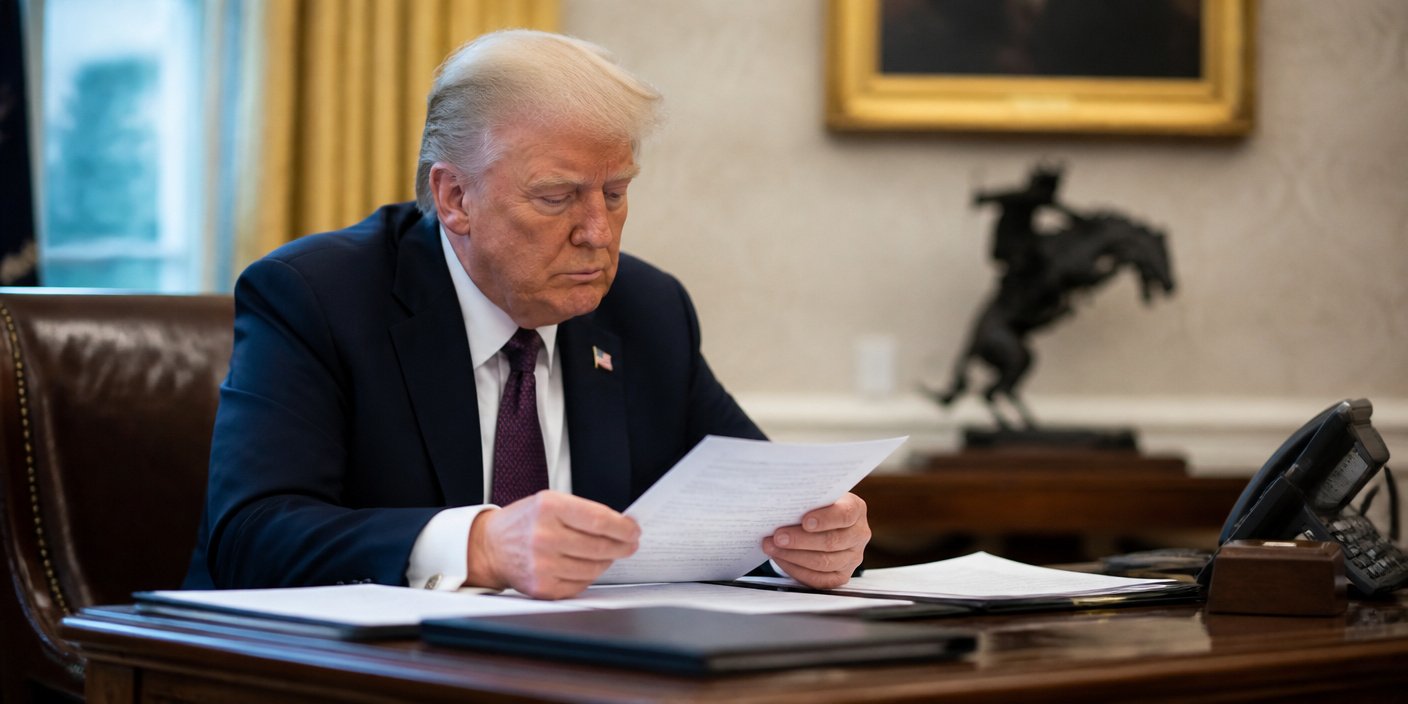
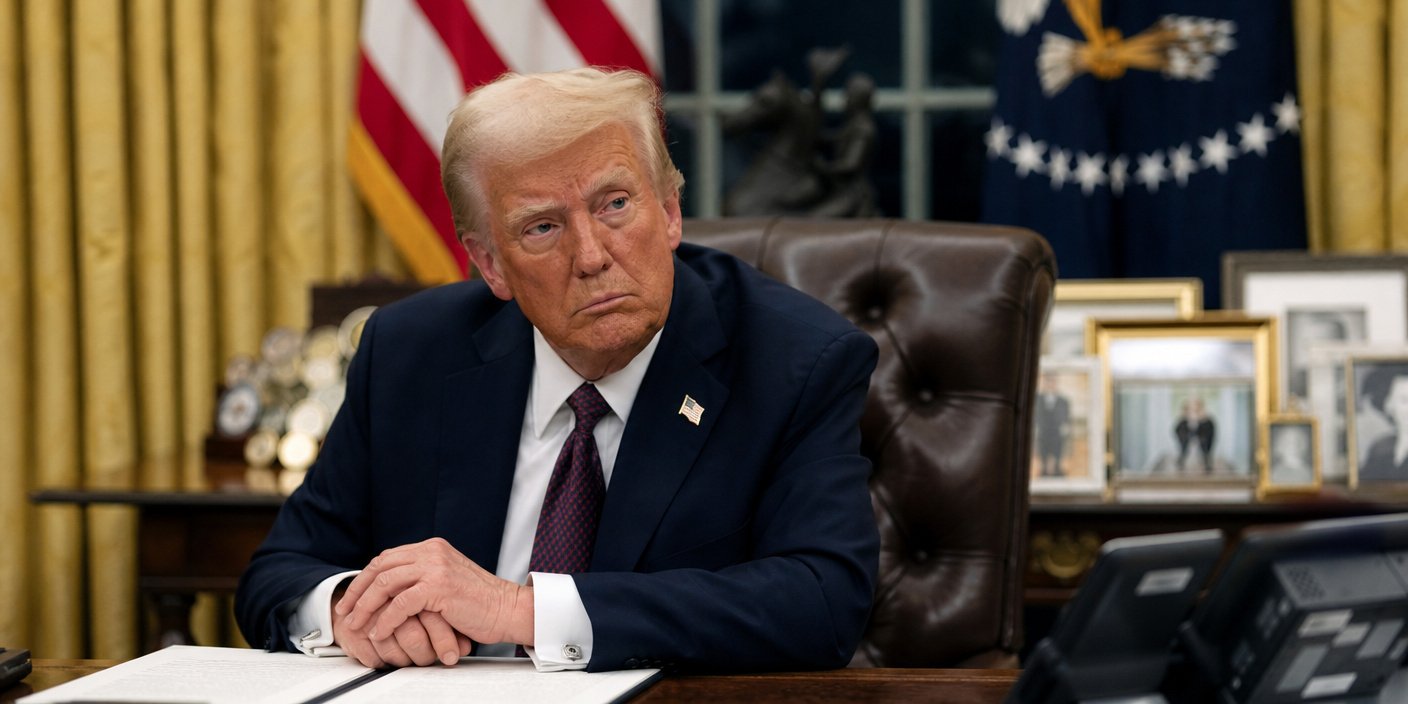
In a stunning move overnight, President Donald Trump executed a sweeping overhaul of the nation’s top military command, firing key leaders in what sources describe as an unprecedented purge. The dramatic action has sent shock waves through the Pentagon and drawn sharp rebukes from members of Congress.
Among those removed were General CQ Brown, the Chairman of the Joint Chiefs of Staff, and Admiral Lisa Franketti, who recently made history as the first woman to serve as the Navy’s top admiral. The dismissals also included the number two ranking general in the Air Force and three other senior officers.
Key Leaders Ousted in Sudden Shakeup
The dismissal of General CQ Brown is particularly noteworthy. Brown, who was nominated by Trump during his first term, was the first Black Chief of Staff for the Air Force before ascending to the nation’s highest military post. His tenure as Chairman of the Joint Chiefs of Staff was abruptly cut short by the President’s action. Admiral Lisa Franketti, celebrated for breaking barriers as the first woman to lead the U.S. Navy, also found her command terminated overnight.
Adding to the breadth of the purge, the number two ranking general in the Air Force and three other senior officers across various branches were also removed, indicating a widespread house-cleaning at the uppermost echelons of military leadership.
The “DEI” Controversy and Alleged Motivations


The context surrounding General Brown’s dismissal appears linked to a broader effort by President Trump to remove leaders perceived as supporting diversity and equity initiatives within the armed forces. Brown had reportedly faced criticism in conservative circles regarding policies aimed at increasing diversity within the military.
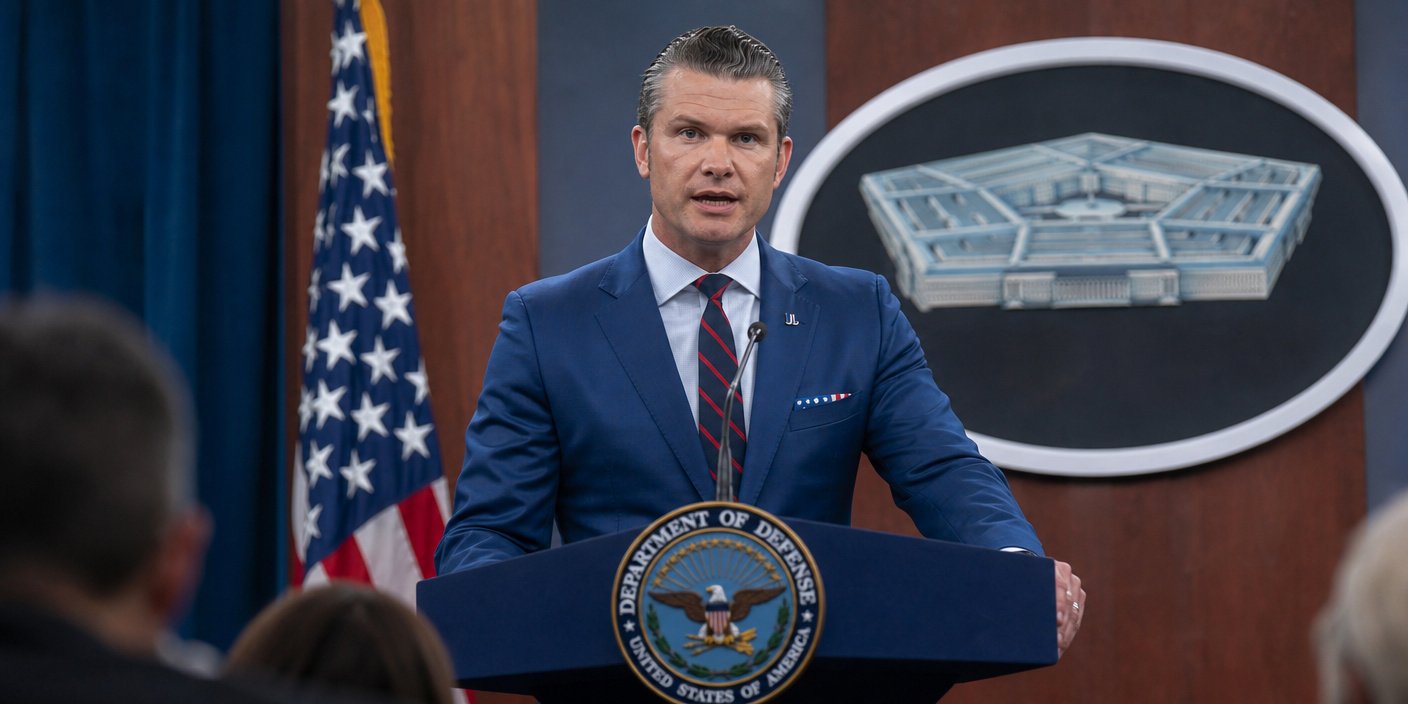
Adding fuel to this narrative, Defense Secretary Pete Hegseth is reported to have referred to General Brown pejoratively as a “DEI hire,” suggesting that his appointment was driven more by diversity considerations than merit. This alleged comment, if accurate, underscores the political dimension of the firings and the apparent ideological motivation behind the purge, targeting leaders associated with or implementing inclusion policies.
Immediate Impact and Concerns at the Pentagon
The overnight firings have undoubtedly created significant disruption and uncertainty within the Department of Defense. Sources within the Pentagon report that the move has caused profound shock waves, unsettling personnel and raising questions about the stability of military leadership.
While the Trump administration has asserted that these mass firings will not negatively affect military readiness, some Pentagon workers hold a different view. They express concern that the sudden departure of senior leaders and the disruption to the civilian workforce, which provides essential support to troops globally, could indeed impact readiness and operational effectiveness.
Political Fallout and Congressional Reaction
The swift and unprecedented nature of the firings has not gone unnoticed on Capitol Hill. Members of Congress are reportedly reacting with strong opposition to the purge. Legislators from both parties have expressed alarm over the political interference in military leadership and the potential consequences for national security and the non-partisanship of the armed forces.
The reaction from Congress signals a potential political battleground over the President’s authority to remove top military officials and raises questions about oversight and accountability in such drastic personnel actions.
Administration’s Stance on Readiness
Despite the concerns voiced within the Pentagon and by members of Congress, the Trump administration maintains that the mass firings will not compromise the operational readiness of the U.S. military. Officials have sought to reassure allies and the American public that the armed forces remain capable and prepared to meet global challenges, asserting that leadership changes at the top will not impede the day-to-day functions of the military.
Nevertheless, the scale and suddenness of the purge represent a significant departure from typical transitions in military leadership, fueling debate over the long-term implications for military effectiveness and the relationship between civilian political leadership and the professional military corps.