When America approaches its 250th anniversary, the ideals of equality and justice articulated in the Declaration of Independence remain aspirational, shadowed by **American Inequality** that has marked the nation’s history for nearly two and a half centuries. Despite the foundational promise that “all men are created equal,” the reality has been a continuous struggle to translate these words into equitable lived experiences for all citizens. This enduring disparity spans racial, economic, and social domains, challenging the core narrative of the American story and highlighting **American Inequality**.
The Enduring Shadow of Historical Inequities and American Inequality
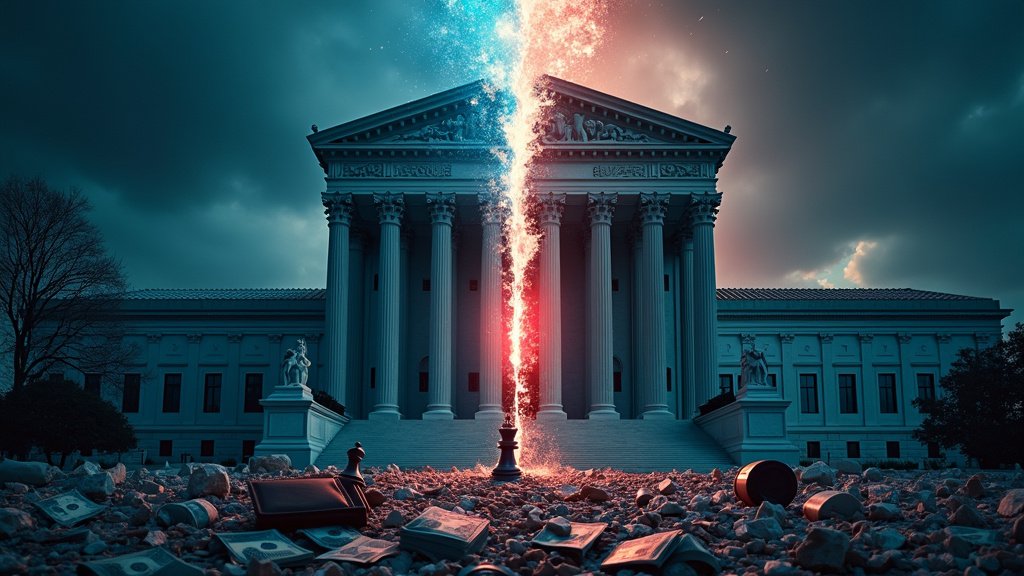


The roots of **American Inequality** are deeply embedded in its founding. While the Declaration of Independence proclaimed unalienable rights, many of its signatories were slaveholders, highlighting an immediate contradiction between ideals and practice. The institution of slavery, built on the denial of basic human rights, cast a long shadow, culminating in a Civil War that, while abolishing slavery, did not erase its legacy. The Reconstruction Era (1865-1877) offered a period of hope with the passage of the 13th, 14th, and 15th Amendments, which aimed to grant citizenship, equal protection, and voting rights to newly freed African Americans. However, this progress was systematically dismantled through judicial rulings and legislative actions, leading to the Jim Crow era and the entrenchment of segregation and discrimination for over half a century. This historical foundation of systemic oppression continues to shape contemporary disparities and contribute to **American Inequality**.
The Widening Chasm: Economic and Wealth Disparities in American Inequality
One of the most stark manifestations of persistent inequality lies in the economic sphere, particularly in the wealth gap between racial groups. Studies indicate that while the racial wealth gap narrowed significantly in the immediate decades after emancipation, progress has largely stagnated since the 1950s and even begun to widen again in recent years. As of 2022, typical White families held approximately six times more wealth than typical Black families and five times more than Hispanic families, a key component of **American Inequality**. Factors contributing to this disparity include historical disadvantages in homeownership, income, education, and intergenerational wealth transfer. Even with equal savings and capital gains rates, the initial vast disparity would still leave a significant gap. The wealthiest 10% of Americans held over 67% of household wealth in 2024, while the bottom half held only 2.4%, illustrating a broader pattern of wealth concentration that benefits a select few and exacerbates existing inequities and **American Inequality**.
Unequal Access to Essential Services: Healthcare and Beyond
Inequality also profoundly impacts access to essential services, most notably healthcare. Health and healthcare disparities in the U.S. are significantly influenced by socioeconomic status, race, and gender. Lower-income groups and racial minorities disproportionately face barriers to quality care, including limited access to facilities, unaffordable treatments, and discrimination. Minority groups experience higher rates of chronic diseases and have lower life expectancies compared to White Americans. For instance, Hispanic people, American Indian and Alaska Native people, and Black people consistently show worse access to care across numerous measures compared to White people, a clear sign of **American Inequality**. This unequal access extends to other vital areas, such as educational opportunities, which are often affected by biased taxation policies and contribute to structural racism and **American Inequality**.
Political Polarization and the Undermining of Progress Against American Inequality
The current American political landscape is characterized by deep polarization, which further complicates efforts to address systemic inequalities. This division is not merely about differing policy preferences but reflects profound ideological and affective divides. Political polarization can exacerbate existing inequalities by hindering consensus on solutions and promoting policies that benefit partisan interests over broad public good. Furthermore, government shutdowns, a recurring feature of recent American political dynamics, have tangible economic consequences, reducing GDP growth, disrupting federal services, and impacting millions of workers and businesses. These shutdowns can disproportionately affect vulnerable populations who rely on government services, worsening the effects of **American Inequality**.
The echoes of historical struggles for civil rights continue into the present day. The Civil Rights Movement of the mid-20th century fought against segregation and discrimination, achieving landmark legislative victories like the Civil Rights Act of 1964 and the Voting Rights Act of 1965. However, the dismantling of discriminatory institutions did not eradicate the underlying systemic issues that fuel **American Inequality**. Today, issues such as voter suppression persist, and the fight for economic justice and equal opportunity remains ongoing, often in partnership with labor movements and social justice issues. The narrative of American progress is thus a complex one, marked by both advancements and persistent setbacks in the pursuit of equality and the ongoing battle against **American Inequality**.
Conclusion: The Unfinished American Story and American Inequality
As America stands on the cusp of its 250th anniversary, the nation confronts a profound paradox: the enduring gap between its founding ideals and its lived realities. The persistent inequalities in wealth, access to healthcare, and political representation underscore that the American story is far from complete. Addressing these deep-seated disparities requires a comprehensive understanding of their historical roots and a sustained commitment to dismantling systemic barriers. The top priority for the nation must be to bridge these divides and strive towards a more just and equitable future, ensuring that the promise of equality enshrined in its founding documents becomes a tangible reality for all its citizens, thereby overcoming **American Inequality**.