In a significant legislative move, U.S. lawmakers overwhelmingly passed a bill on November 18, 2025, mandating the **Epstein Files Release** of government documents pertaining to the Jeffrey Epstein scandal. This decisive action followed an unexpected reversal by President Donald Trump, who previously opposed the disclosure of these sensitive files, and occurred on the same day he defended Saudi Crown Prince Mohammed bin Salman regarding the murder of journalist Jamal Khashoggi. The anticipation for the Epstein files release has been palpable.
Bipartisan Push for Epstein Files Release Transparency
The Epstein Files Transparency Act sailed through both chambers of Congress with near-unanimous support. The House of Representatives approved the bill with a staggering vote of 427 to 1, with Representative Clay Higgins of Louisiana being the sole dissenter. Subsequently, the Senate passed the legislation via unanimous consent, ensuring its swift delivery to President Trump’s desk. The bill compels the Department of Justice to publicly release unclassified documents related to the investigation into Epstein and his convicted associate Ghislaine Maxwell within 30 days of being signed into law, with exceptions for personal information of survivors and other sensitive material, marking a significant step in the Epstein files release.
This legislative victory marked the culmination of a months-long effort by a bipartisan group of lawmakers, including Representatives Ro Khanna (D-CA) and Thomas Massie (R-KY). Despite initial resistance from Republican leadership and President Trump, a discharge petition, requiring 218 signatures, successfully bypassed procedural hurdles to force a vote on the House floor. The broad support for the bill reflects a growing demand for accountability and transparency surrounding the Epstein case, which has implicated numerous high-profile figures, increasing public interest in the Epstein files release.
Trump’s Shifting Position on the Epstein Files Release


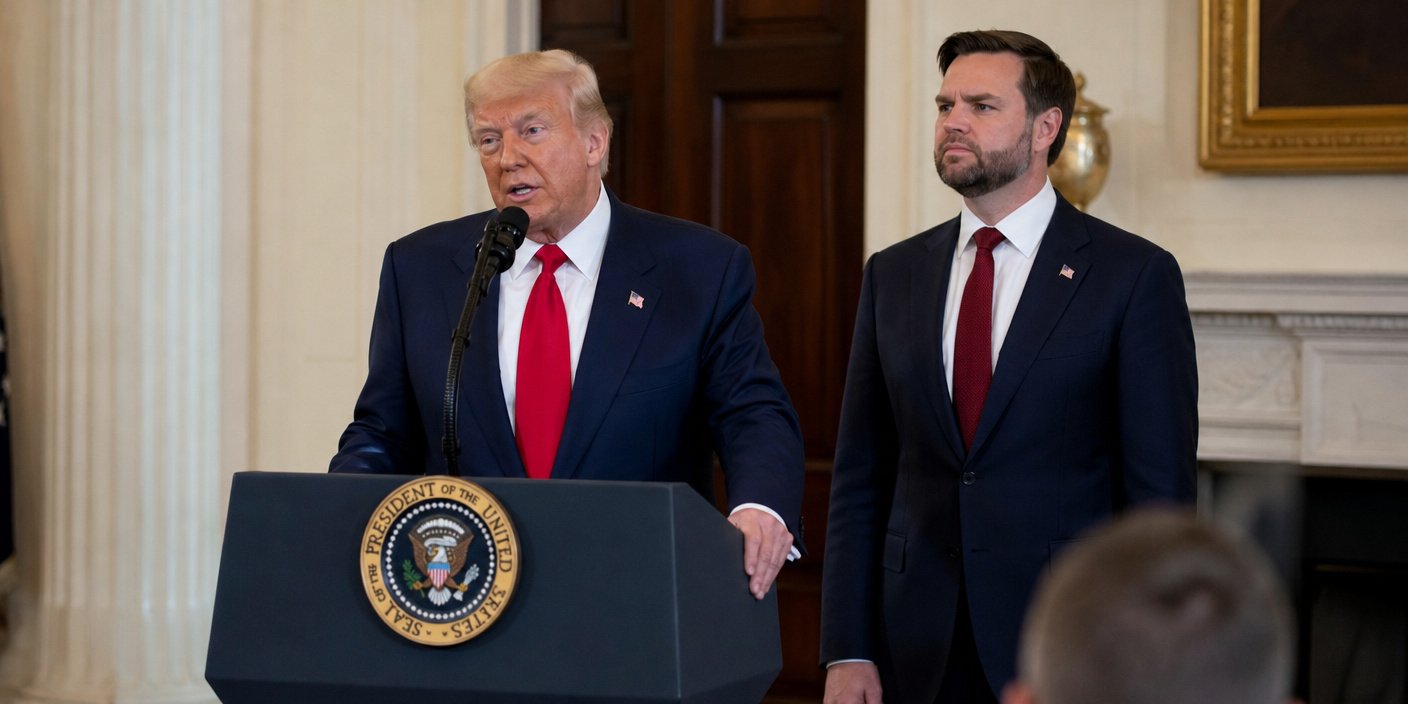
President Trump’s public stance on the Epstein files underwent a dramatic transformation in the days leading up to the vote. Initially, he had urged Republican lawmakers to oppose the release, labeling the focus on the documents a “Democrat Hoax”. However, on Sunday night, he publicly reversed course, posting on his Truth Social platform that “House Republicans should vote to release the Epstein files, because we have nothing to hide, and it’s time to move on”. This pivot was seen by many as an acknowledgement that the bill had enough support to pass regardless of his opposition. He has since stated his intention to sign the bill if it reaches his desk, signaling a positive development for the **Epstein Files Release**. This **congressional vote** was pivotal.
While Trump claimed there was “nothing to hide,” some critics and lawmakers, including Representative Thomas Massie, have expressed concern that a recent DOJ investigation ordered by Trump into the ties between prominent Democrats and Epstein could be used as a pretext to withhold or redact key documents. This concern highlights a potential avenue for the administration to control the narrative or limit the scope of disclosures, despite the bill’s aim for comprehensive release. The **Trump stance reversal** has fueled debate surrounding the Epstein files release.
The Epstein Scandal and Its Lingering Shadows
Jeffrey Epstein, a wealthy financier with extensive connections in politics, business, and entertainment, was arrested in 2019 on charges of sex trafficking of minors. He died by suicide in a federal jail cell in August 2019 while awaiting trial. His associate, Ghislaine Maxwell, was convicted in 2021 for her role in recruiting and grooming underage girls for Epstein and is currently serving a 20-year sentence. The Epstein files, comprising thousands of pages of documents from various investigations, have been the subject of intense public and political scrutiny for years, fueling theories of a wider cover-up involving powerful individuals. The **Ghislaine Maxwell case** is intrinsically linked to the impending **Epstein Files Release**.
Previous releases of some documents, including emails obtained by House Democrats and the House Oversight Committee, have hinted at Epstein’s alleged knowledge of his associates’ activities, with some emails suggesting he knew “about the girls”. These partial disclosures have only intensified the calls for a full, unredacted release to uncover any potential wrongdoing or hidden truths. The Epstein files are part of a complex web of stories that have captivated the american public, making this vote a trending topic and underscoring the importance of **Epstein files transparency** in the ongoing **Epstein investigation**.
A Day of Contrasting Statements
Compounding the day’s significant events, President Trump also made controversial remarks concerning the 2018 murder of journalist Jamal Khashoggi. While meeting with Saudi Crown Prince Mohammed bin Salman at the White House, Trump defended the Crown Prince, stating he “knew nothing” about the killing, despite U.S. intelligence assessments that implicated bin Salman. Trump downplayed Khashoggi’s death, calling the journalist “extremely controversial,” and praised bin Salman’s leadership and human rights record. These statements drew criticism from human rights organizations, who accused Trump of being “reckless and dismissive” and sending a “chilling message to authoritarian governments”.
The juxtaposition of Trump’s stance on the Epstein files – urging transparency while simultaneously defending a foreign leader accused of ordering a journalist’s murder – has drawn sharp attention. While Congress moves forward with the Epstein file release, Trump’s remarks on Khashoggi highlight a pattern of prioritizing foreign policy and economic interests over human rights and journalistic accountability for some american stories. The demand for **accountability and transparency** is a driving force behind the **Epstein Files Release**.
What Lies Ahead
The Epstein Files Transparency Act mandates the release of documents within 30 days. The legislation allows for redactions to protect victims’ personal information, explicit depictions of abuse, and information that would jeopardize an ongoing federal investigation or national security. However, it explicitly states that information cannot be withheld due to “embarrassment, reputational harm, or political sensitivity”. The coming weeks will reveal the full extent of what the **justice department documents** will disclose, and whether the administration’s new investigation will indeed act as a barrier to full transparency, continuing to shape public discourse on accountability and the powerful. This **Epstein Files Release** is expected to bring further revelations.